Home Fire Escape Plan: Two Ways Out of Every Room
Direct answer: A home fire escape plan is a drawn map of your home with two ways out of every room, one meeting place outside, and a drill your household practices twice a year. You need it because a fire can turn life-threatening in just two minutes, and a residence can be engulfed in flames in five, according to Ready.gov — the plan is what you do with those minutes instead of deciding under smoke and panic.
Most households have a plan — few have practiced it
Having a plan on paper is not the same as being able to use it. A National Fire Protection Association survey quoted by the Washington State Fire Marshal found that only one in three American households have developed and practiced a home fire escape plan — seven in ten say they have a plan, but only 47 percent of those have ever practiced it. And when the alarm sounds, only 8 percent of people say their first thought would be to get out: the plan has to be a habit, not a piece of paper in a drawer.
The other half of the plan is the alarm itself. Fire can leave as little as one to two minutes to escape once the smoke alarm sounds, the Fire Marshal warns, so getting out depends on advance warning from working smoke alarms and on planning done in advance. In 2024, 55 of the 72 fire deaths reported in Washington State happened in homes without a confirmed working smoke alarm. Test yours monthly, change batteries as the maker directs, and replace the whole unit every 10 years.
Draw the map: two ways out of every room
Start with a sheet of paper and draw every level of your home, marking all doors and windows. Then find two ways out of each room, in case the first is blocked by fire or smoke — the door is usually the main exit and a window is often the second. Walk both routes: a window that is painted shut, blocked by furniture, or barred without a quick release is not a way out until it is fixed. Check that windows are not stuck, that screens can be taken out quickly, and that security bars can be properly opened.
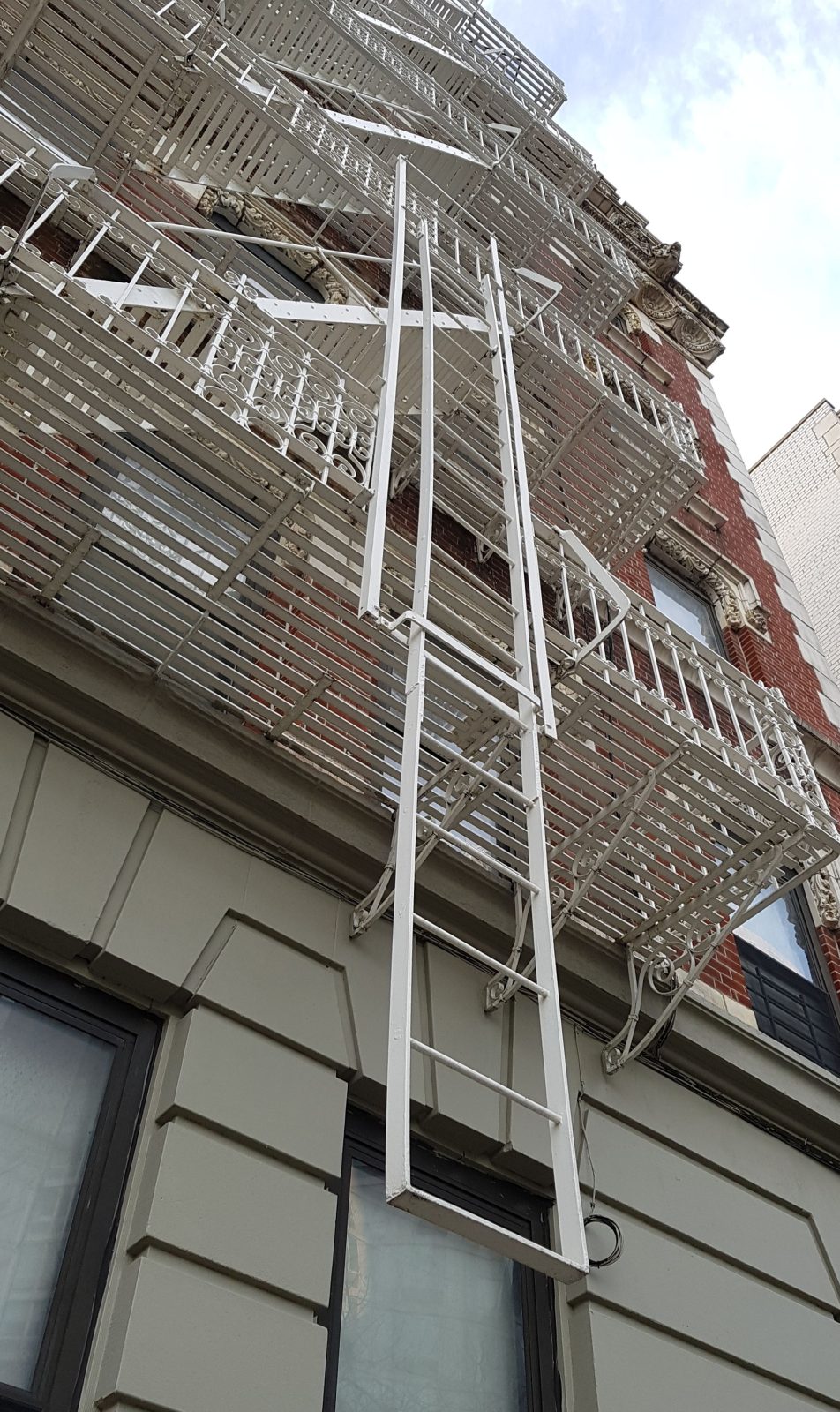
For upper floors, the second way out can be an escape ladder — keep it near the window and practice using it. If someone in your household uses a walker or a wheelchair, check every exit to be sure they can get through the doorways, and assign one person to help them escape, with a backup in case that person is not home. Teach children to escape on their own if nobody can help them, and never to hide from firefighters.
Pick a meeting place and practice in the dark
Choose one meeting place outside, a safe distance from the home — a tree, a street light, a neighbour's house, a mailbox — and make sure everyone knows it. Keep a reminder of the plan on the fridge door, as Lewisham Council in the UK suggests.
Then practice. Run a home fire drill at least twice a year, at different times of day, using two different ways out. Start it by pushing the smoke alarm test button so everyone learns the sound, and do one drill in the dark, feeling your way out with your eyes closed — in a real fire, smoke and darkness can hide the route you know by heart. You must react without hesitation, because escape routes can be blocked by smoke or flames within minutes.
When the alarm sounds
Get out, stay out, and call 911 from outside — in the UK, call 999. Do not go back inside for people, pets or possessions. If you cannot reach someone who needs help, leave and tell the emergency operator where that person is; if pets are trapped inside, tell firefighters when they arrive.
On the way out, drop to the floor and crawl low, under the smoke, to your exit. Heavy smoke and poisonous gases collect first along the ceiling — Ready.gov notes room temperatures in a fire can be 100 degrees at floor level and rise to 600 degrees at eye level. Before opening a door, feel the doorknob and the door itself. If either is hot, or smoke is coming around the door, leave it closed and use your second way out. If you do open a door, open it slowly and be ready to shut it quickly. Close doors behind you as you leave: a closed door can slow the spread of smoke, heat and fire. Sleep with your bedroom door closed — one of the simplest protections there is.
If you cannot get out, close the door, cover the vents and cracks around it with cloth or tape, call 911, say where you are, and signal at the window with a light cloth or flashlight. If your clothes catch fire, stop, drop and roll, then cool any burn with water for three to five minutes and get medical help.
Related pages on this site: Smoke Alarms Save Lives: Test, Replace, Stay Safe, Holiday Fire Safety: Trees, Lights, and Candles, Carbon Monoxide Safety: What Every Home Needs to Know, and Make a Family Emergency Plan Before Disaster Strikes.
Frequently asked questions
How much time do I have to escape a house fire?
Very little. Ready.gov says a fire can become life-threatening in just two minutes and a residence can be engulfed in flames in five. The Washington State Fire Marshal warns you may have as little as one to two minutes to escape once the smoke alarm sounds — which is why the plan has to be practiced, not just written down.
What should a home fire escape plan include?
A map of every level of your home showing all doors and windows, two ways out of every room, one outside meeting place a safe distance from the home, and a drill practiced twice a year — once in daylight and once in the dark. Everyone in the household, including children and visitors, should know it.
What if my bedroom door is hot when there is a fire?
Do not open it. Ready.gov says to feel the doorknob and the door before opening either — if either is hot, or smoke is coming around the door, leave it closed and use your second way out.
I live in a flat. Is the advice different?
Know your building's plan first. In a purpose-built flat, the London Fire Brigade's advice is that your flat's walls, floors and doors can hold back flames, so you are usually safer staying put and calling 999 — unless the fire is in your own flat, in which case get out, close the door and call 999. Never use the lift.
Sources
- Ready.gov - Home Fires
- Washington State Fire Marshal - Home Fire Escape
- Lewisham Council - Preventing a fire (UK)
- Lambeth Council - Advice from London Fire Brigade (UK)
About the author
WND Editorial Team — The World Natural Disasters editorial team curates disaster information from official scientific and humanitarian sources, reviews safety guidance against public-agency recommendations, and maintains the historical database.
Written and reviewed under our editorial policy. Factual claims cite the sources listed above.
Found an error? See our corrections policy.