Wildfire Defensible Space: Protect Your Home Before Fire Season
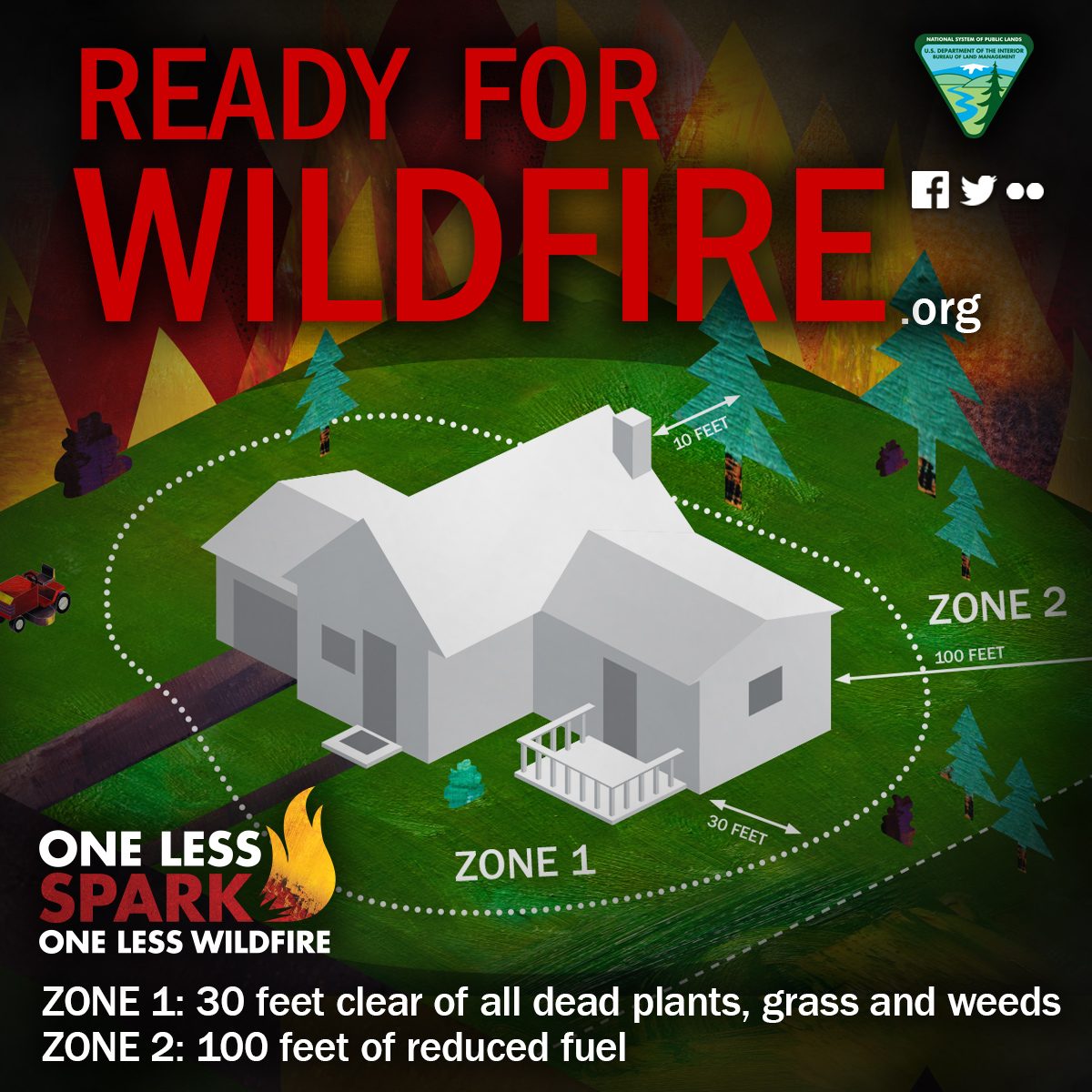
Direct answer: Defensible space is the buffer you create between your home and the wildland around it — a ring of cleared, managed ground that slows or stops a wildfire, protects your home from embers, flames and heat, and gives firefighters a safer place to defend your property. CAL FIRE divides it into three zones: Zone 0, the first five feet around your home; Zone 1, out to 30 feet; and Zone 2, from 30 feet out to 100 feet or your property line. Start at the house and work outward.
Zone 0: the first five feet matter most
Zone 0 is the newest part of the rule and the most important, because it is built to protect against ember attacks — the burning fragments a wildfire throws ahead of itself. In the five feet around your home, use gravel, pavers or concrete instead of combustible mulch, and clear dead weeds, grass and debris. Check the roof and gutters, and keep branches trimmed 10 feet away from chimneys and stovepipes. Move firewood and lumber out to Zone 2, replace combustible fencing and gates with fire-resistant materials, and shift garbage and recycling containers, boats, RVs and vehicles out of the zone. Anything that can burn and sits against the house is a fuse.
Zone 1: thirty feet of clear ground
Zone 1 extends 30 feet from your home, or to your property line if that is closer, and in California it is required by law. Clear all dead plants, grass and weeds, and remove dead leaves and pine needles from your yard, your roof and your gutters. Trim overhanging branches and keep them 10 feet from your chimney, and keep a 10-foot gap between trees. Move wood piles out to Zone 2, prune flammable plants and shrubs near windows, and clear flammable vegetation and stored items from under decks, balconies and stairs. Outbuildings and LPG tanks need 10 feet of clear space down to bare soil, with no flammable vegetation within a further 10 feet around them.
Zone 2: thirty to one hundred feet
Zone 2 runs from 30 feet out to 100 feet, or to your property line, and it is also required by law in California. Here the work is spacing, not clearing everything away: trim annual grass to a maximum height of four inches, space shrubs and trees out horizontally, and keep vertical space between grass, shrubs and trees so fire cannot climb from the ground into the crowns. CAL FIRE's rule of thumb is to multiply a shrub's height by three — a five-foot shrub near a tree needs 15 feet of clearance to the tree's lowest branch. Trim tree branches up to at least six feet from the ground, and remove fallen leaves, needles and small branches, though you can leave up to three inches of them. Keep exposed wood piles at least 10 feet clear of their surroundings down to the soil. And check your local rules: some areas are stricter than the state standard — San Diego County, for example, requires 50 feet of clearance in Zone 1.
The house itself and the garden around it
Defensible space is only half the job — the house has to be hard to ignite too. Ready.gov tells homeowners to use fire-resistant materials when building, renovating or making repairs, and to find an outdoor water source with a hose that can reach any area of the property. Create a fire-resistant zone free of leaves, debris or flammable materials for at least 30 feet from your home, and designate a room that can be closed off from outside air for smoky conditions. In Britain the same principles apply on a smaller scale: the British Red Cross advises clearing flammable debris such as dead leaves from rain gutters, checking for gaps between roof tiles where burning embers could lodge, keeping grass short in dry weather, and checking the Met Office Fire Severity Index, which shows how severe a fire could become in your area. If you see smoke or flames, call 999.
Keep it up — it is maintenance, not a weekend job
Defensible space is not a project you finish once. Grass grows back, leaves fall, and a wood pile creeps back toward the house. Walk the three zones each spring and after every dry spell, and consult your local fire department or fire protection district for the rules where you live — they may be stricter than the state standard. The work is ordinary gardening with a purpose: every foot of cleared ground is a foot a fire has to cross without fuel.
Related pages on this site: Wildfire Evacuation: When to Leave and What to Take, Wildfire Smoke Safety: Protect Your Health Indoors and Out, and After a Wildfire, the Next Rain Can Bring Mudslides.
Frequently asked questions
How far out does defensible space go?
Up to 100 feet from your home, or to your property line: Zone 0 covers the first 5 feet, Zone 1 extends to 30 feet, and Zone 2 runs from 30 to 100 feet (CAL FIRE).
Is defensible space required by law?
In California, Zones 1 and 2 are required by law, and local ordinances can be stricter — San Diego County, for example, requires 50 feet of clearance in Zone 1 (CAL FIRE).
What should I clear first?
Start at the house: the first five feet, Zone 0. Clear dead vegetation, replace combustible mulch with gravel or pavers, and move firewood, furniture and anything else that burns away from the walls (CAL FIRE).
Does this apply in the UK?
The same principles do: clear gutters, check roof tiles for gaps where embers could lodge, keep grass short in dry weather, and check the Met Office Fire Severity Index. If you see smoke or flames, call 999 (British Red Cross).
Sources
- CAL FIRE - How to Create Defensible Space for Wildfire Safety
- Ready.gov - Wildfires
- British Red Cross - Wildfires UK: Prepare and stay safe
About the author
WND Editorial Team — The World Natural Disasters editorial team curates disaster information from official scientific and humanitarian sources, reviews safety guidance against public-agency recommendations, and maintains the historical database.
Written and reviewed under our editorial policy. Factual claims cite the sources listed above.
Found an error? See our corrections policy.