Make a Family Emergency Plan Before Disaster Strikes
Direct answer: Your family may not be together when disaster strikes. Phones may be down, roads may be closed, and children may be at school while adults are at work. A family emergency plan answers four questions before that day arrives: how will you receive emergency alerts and warnings, what is your shelter plan, what is your evacuation route, and how will you contact each other. Write the answers down, share them with everyone in the household, and practice them. Ready.gov, the federal preparedness site, breaks the job into four steps: meet with your family, assess your household's needs, document the plan, and practice it.
Step 1: sit down and answer five questions
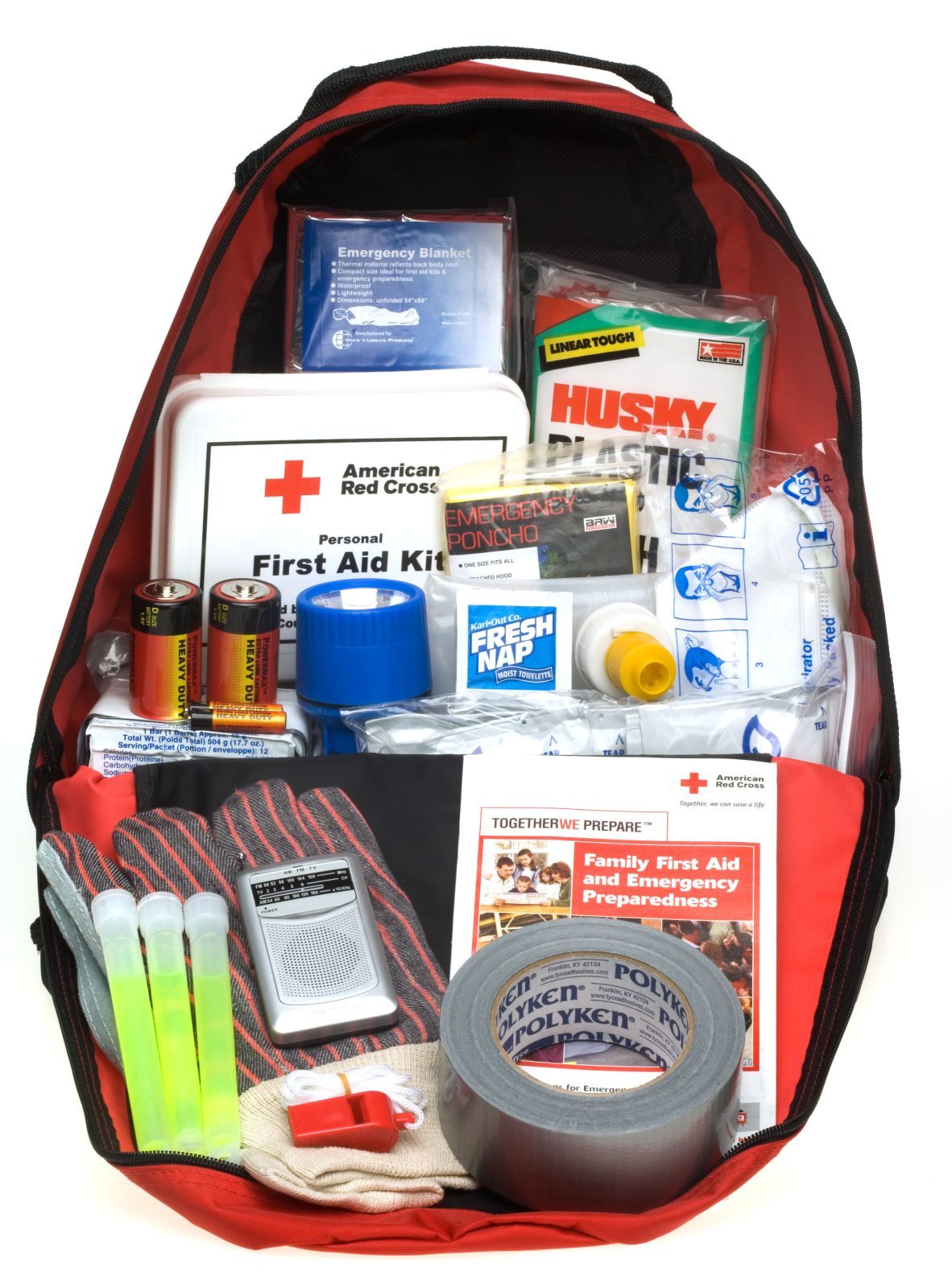
Start with a family meeting. Ready.gov suggests discussing five things: how you will receive emergency alerts and warnings, what your shelter plan is, what your evacuation route is, what your family and household communication plan is, and whether you need to update your emergency preparedness kit. Keep the answers short and concrete: name the shelter room in your home, name the road you would take out of the neighbourhood, and name the way you will get alerts, such as a weather radio or a phone alert app.
Agree on who does what. If someone in the household is responsible for a child, a pet, or a relative who needs help, write that responsibility next to their name so there is no confusion when minutes matter.
Contacts and meeting places
Pick two emergency contacts: one local and one outside your immediate area, even outside your city or state. Contacts outside the affected area can help coordinate information and meeting locations when local lines are busy. List each family member's workplace or school, its address and phone number, and where that school or workplace evacuates to, so you know where to look for each other.
Choose two meeting places as well: one near home and one outside your neighbourhood, each with a phone number and address. Save both locations in your phone's map app so you can navigate to them without thinking. Children should memorise the important phone numbers and know how to use a phone, in case their own phone is lost or dead.
When service is disrupted, prefer text messages and email over voice calls. Texts and emails use less bandwidth and battery power than voice calls and may get through even when phone service is disrupted. Keep calls short and for vital information only.
Fit the plan to your household
A plan only works if it fits the people in it. Ready.gov lists what to consider: the different ages of household members, responsibilities for assisting others, the locations your family visits most often, dietary needs, medical needs including prescriptions and equipment, disabilities or access and functional needs including devices and equipment, languages spoken, cultural and religious considerations, pets or service animals, and households with school-aged children.
For each of these, write down the practical detail: the pharmacy and medication list, the veterinarian and kennel information and animal shot records, the medical contacts, and the equipment a family member depends on. Photograph documents, medicines, and personal property as well, so you have evacuation records even if the originals are left behind.
Write it down, then practice it
Ready.gov offers a fillable form covering household information, the names and contacts of family members, meeting places, and medical information. Fill it in, print copies, and keep them where everyone can find them: on the refrigerator is better than in a drawer. Share the plan with the whole household, including children, and with your out-of-town contact.
Then practice it. Ready.gov's final step is to practice your plan with your household: walk to the meeting place, test the contact list, and check that everyone knows the shelter room and the evacuation route. A plan that has been walked through once is worth far more than a plan that only exists on paper. For current hazards in your area, check the site's weather alerts page, and review its cold safety guidance before winter weather arrives.
Frequently asked questions
What should a family emergency plan cover?
Alerts and warnings, a shelter plan, an evacuation route, a family communication plan, and an up-to-date emergency kit.
Why do we need an out-of-town contact?
TexasReady advises choosing contacts outside your immediate area, even out of your city or state, alongside a local contact, so someone beyond the affected area can help coordinate information and meeting places.
How many meeting places do we need?
Two: one near home and one outside your neighbourhood, each with a phone number and address. Ready.gov adds that a meeting place should be familiar and easy to find.
How often should we practice the plan?
Ready.gov's final step is to practice the plan with your household: walk to the meeting place and test the contact list so everyone knows what to do.
Sources
About the author
WND Editorial Team — The World Natural Disasters editorial team curates disaster information from official scientific and humanitarian sources, reviews safety guidance against public-agency recommendations, and maintains the historical database.
Written and reviewed under our editorial policy. Factual claims cite the sources listed above.
Found an error? See our corrections policy.