Smoke Alarms Save Lives: Test, Replace, Stay Safe
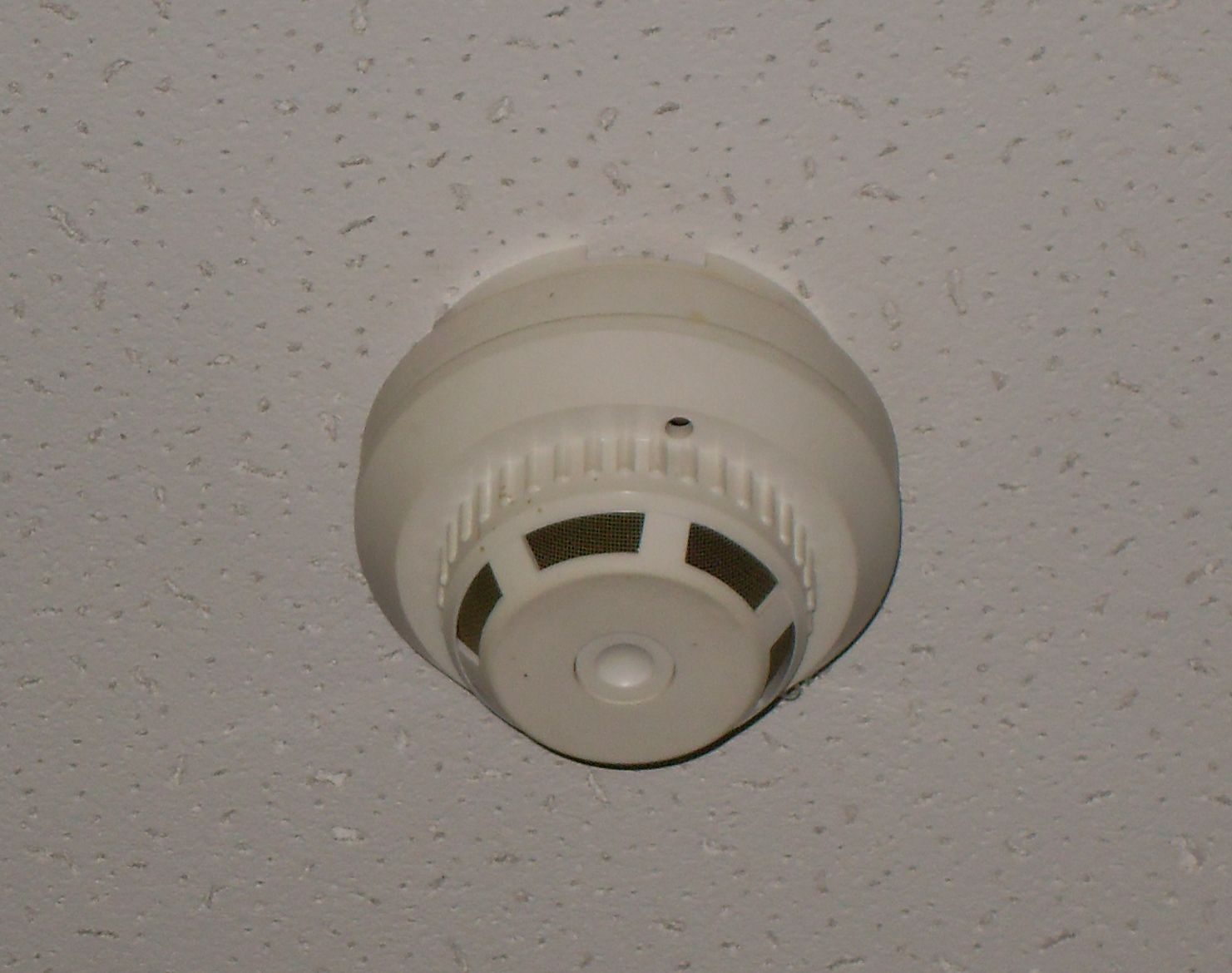
Direct answer: A smoke alarm only saves your life if it is there, if it works, and if you can hear it from your bedroom. The US Fire Administration's rules fit on one hand: put an alarm inside and outside every bedroom and on every level of your home, test it every month, change the batteries at least once a year, and replace the whole alarm every 10 years. A dead or missing battery is the same as having no alarm at all.
Where alarms belong in your home
The Fire Administration says to install smoke alarms in every bedroom, outside each separate sleeping area, and on every level of a home, including the basement. Put them on the ceiling or high on the wall, following the maker's instructions for the best spot, and choose interconnected alarms so that when one sounds, they all sound — the one in the kitchen should wake the person asleep upstairs. Only a qualified electrician should install a hardwired alarm. Some fire departments will fit battery-operated alarms free of charge, and some offer alarms at reduced prices, so it is worth asking your local department's non-emergency number before you buy.
In Britain the advice is the same shape with a different rhythm: fire and rescue services say to fit at least one working smoke alarm on every level, preferably in a hallway or landing, with a heat alarm in the kitchen, and to test the alarms once a week by pressing the test button. Private landlords in England must provide working smoke alarms under the Smoke and Carbon Monoxide Alarm (Amendment) Regulations 2022. Wherever you live, the principle is identical — the alarm has to be where the smoke will reach it before it reaches you.
Which type to buy
Smoke alarms fall into two basic types, and they detect different kinds of fire. Ionization alarms respond faster to flaming fires, photoelectric alarms to slow, smouldering fires, and since nobody can predict which kind of fire might start in their home, the Fire Administration recommends having both types, or a dual-sensor alarm that contains both sensors. There are also alarms for people with hearing loss, with strobe lights that flash or vibrating pads that shake the bed. Battery alarms run on a disposable 9-volt battery or a non-replaceable 10-year lithium battery, while hardwired alarms run off the house wiring and usually have a backup battery. If you are replacing an old alarm, a 10-year sealed-battery alarm is the simplest choice — there is no battery to change, only the whole unit to replace when its time is up.
The monthly test and the 10-year rule
Age matters, the Fire Administration warns: smoke alarms wear out, and they need replacing 10 years from the date of manufacture, not from the day you fitted them. Take the alarm down, look at the date printed on the back, and if it is 10 years old or more, replace it. Until then, the routine is short. Test the alarm every month by pressing the test button. Replace 9-volt batteries at least once every year, and replace the backup battery in a hardwired alarm at least once a year too. Vacuum the alarm gently now and then to keep dust out of the sensor. Write the purchase date on the inside of the unit with a marker so the next person to check it does not have to guess.
If the alarm starts chirping, that is the low-battery warning — change the battery at once. If it sounds while you are cooking, never take the battery out: open a window or door, press the hush button, wave a towel at the alarm to clear the air, or move the alarm a few feet away from the kitchen. Disabling an alarm, or removing its battery, can be a deadly mistake, because the next fire will not wait for you to put the battery back.
When the alarm sounds, you have less than two minutes
The Fire Administration puts it bluntly: when you hear a smoke alarm, you may have less than two minutes to get everyone outside and safe. So the alarm is only half the system — the other half is the escape plan you have already practised. Get outside, stay outside, go to your meeting place, and call the fire department from a mobile phone or a neighbour's phone. Do not go back inside until the fire department says it is safe. A closed bedroom door can slow the spread of smoke, heat and fire, which is another reason alarms belong inside as well as outside sleeping areas: the alarm wakes you, the door buys you the seconds to get out.
Related pages on this site: Carbon Monoxide Safety: What Every Home Needs to Know, Holiday Fire Safety: Trees, Lights, and Candles, and Make a Family Emergency Plan Before Disaster Strikes.
Frequently asked questions
How often should I test my smoke alarms?
Test them every month in the United States, using the test button — that is the US Fire Administration's rule. In Britain, fire and rescue services say to test once a week. Either way, press the button until the alarm sounds, and if it does not, change the battery and test again.
How long do smoke alarms last?
Ten years from the date of manufacture. The US Fire Administration says to replace the whole alarm every 10 years, and the date is printed on the back of the unit. A 9-volt battery needs replacing at least once a year, and a hardwired alarm's backup battery at least once a year too.
Where should smoke alarms go in my home?
Inside and outside every bedroom and sleeping area, and on every level of the home including the basement, on the ceiling or high on the wall. Choose interconnected alarms so that when one sounds, they all sound.
My alarm goes off when I cook. What should I do?
Never take the battery out. Open a window or door, press the hush button, wave a towel at the alarm to clear the air, or move the alarm a few feet away from the kitchen. Removing the battery can be a deadly mistake.
Sources
- U.S. Fire Administration - Smoke Alarms
- American Red Cross - Smoke Alarms Basics
- Cheshire Fire and Rescue Service - Smoke Alarms (UK)
About the author
WND Editorial Team — The World Natural Disasters editorial team curates disaster information from official scientific and humanitarian sources, reviews safety guidance against public-agency recommendations, and maintains the historical database.
Written and reviewed under our editorial policy. Factual claims cite the sources listed above.
Found an error? See our corrections policy.