Holiday Fire Safety: Trees, Lights, and Candles
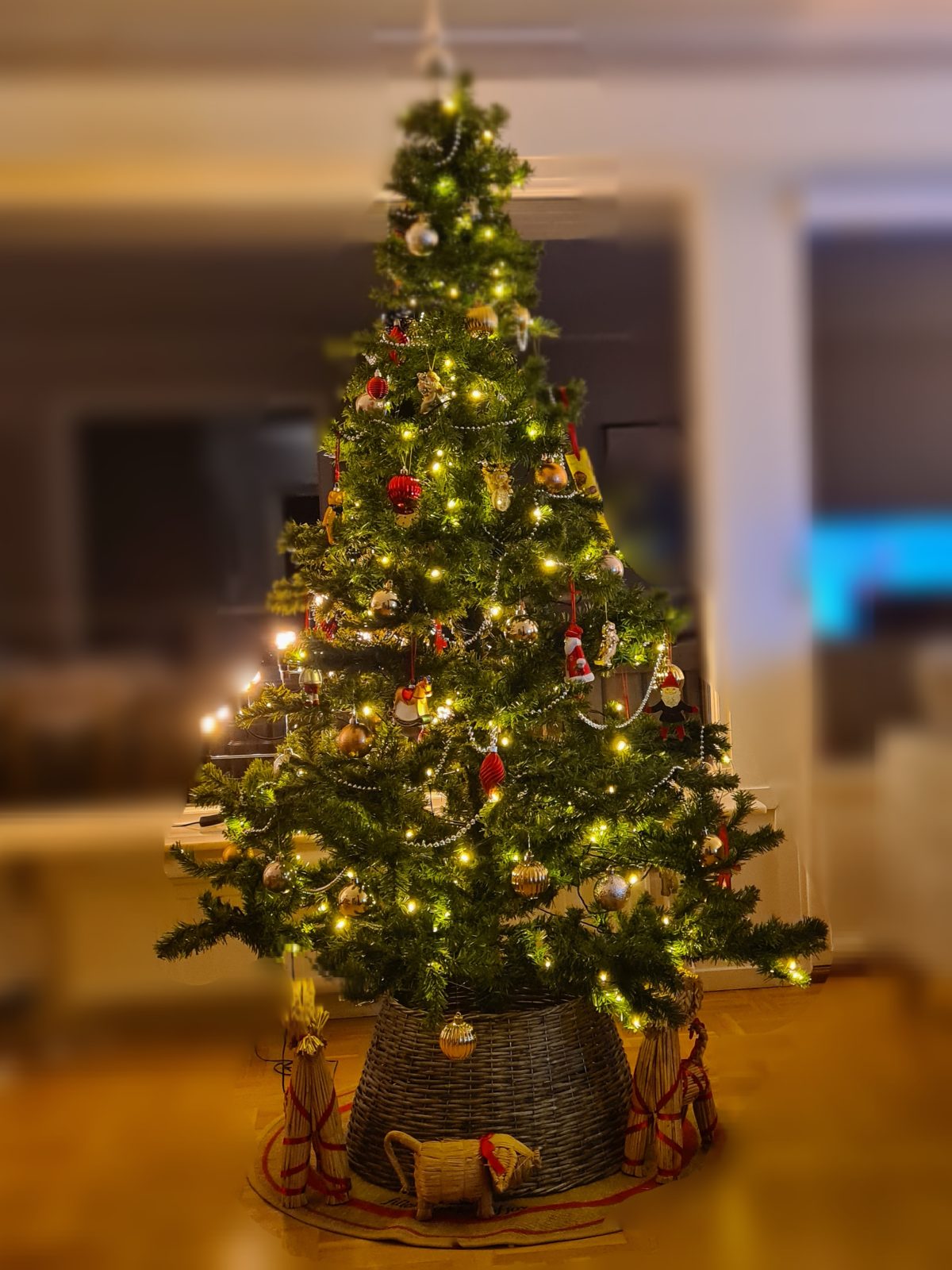
Direct answer: Holiday decorations make homes warmer and brighter, and they also bring three fire risks together under one roof: a tree that dries out, strings of lights that wear out, and open flames left burning. The good news is that the fixes are simple and mostly free. Water a live tree every day, keep it at least three feet from anything that gives off heat, check every string of lights before you hang it, and never leave a lit tree, a light display, or a candle burning when you go to bed or leave the house. The U.S. Fire Administration and state fire safety agencies repeat the same three habits every year because they are the ones that prevent the fires that actually happen.
Start with the tree
A fresh tree is a safer tree. When you buy one, look for needles that feel soft, not brittle, and that stay on the limb when you gently pull them, and check that the trunk feels sticky. Cut a fresh slice off the base before you set it up, fill the stand basin with water, and keep it filled every day. A tree that runs dry becomes a different object: in a National Institute of Standards and Technology demonstration, a dry Fraser fir burst into flames in seven seconds and was consumed by fire in slightly more than a minute, while a well-watered Fraser fir briefly ignited and the flame soon died out.
Place the tree at least three feet from fireplaces, radiators, space heaters, candles, and heat vents, and never let an electrical cord sit in the water in the tree stand. Choose flame-resistant or flame-retardant decorations, and do not burn Christmas tree branches, treated wood, or wrapping paper in a home fireplace: they burn fast and unpredictably.
Check every string of lights
Before you put lights on the tree, inspect every string for frayed or pinched wires, bare spots, gaps in insulation, broken or cracked sockets, and excessive kinking or wear. Throw away any damaged strand instead of trying to repair it, and replace strings with worn or broken cords or loose connections. Use only lights rated for the place you are putting them: lights made for indoor use belong indoors, and lights made for outdoor use belong outdoors.
Hang lights with clips, not nails or staples, so the cords are not damaged. Do not overload extension cords or outlets, and never run an electrical cord under a rug, where damage and heat go unnoticed. When the evening is over, unplug the tree lights before you go to bed or leave the home, and never leave a lighted tree or a decorative lighting display unattended.
Candles: the December danger
Candles cause more decoration fires than anything else at this time of year. The U.S. Fire Administration counts an estimated 15,600 residential fires a year started by candles, with 150 deaths, 1,270 injuries, and $539 million in property damage. December is the peak month for home candle fires, and 24 percent of all candle fires happen in December or January. More than half of those fires start because a candle was placed too close to something flammable, such as a Christmas tree.
Keep lit candles at least three feet away from decorations and anything else that can burn, set them in stable holders where they cannot easily be knocked over, and blow them out when you leave home or go to bed. Do not use real candles as part of decorations. Battery-operated flameless candles are a safer substitute: the Fire Administration notes that they can look, smell, and feel like real candles. Separately, fire departments respond to an average of 240 residential fires a year caused by Christmas trees alone, according to the National Fire Protection Association, which is one more reason to keep flames and trees apart.
Keep the way out clear
Decorations must not block doors or windows. Keep a clear path to every exit so that everyone in the house can get out quickly, and if you have overnight guests, review the escape plan with them. December, January, and February are the leading months for home fires, so these habits matter most exactly when the house is fullest. For more winter safety guidance, see the site's cold safety page and its current weather alerts.
Frequently asked questions
How often should I water a live Christmas tree?
Every day. Fill the stand basin and keep it filled; a dry tree can burst into flames in seconds, while a well-watered tree resists ignition.
How far should the tree be from heat sources?
At least three feet from fireplaces, radiators, space heaters, candles, and heat vents.
Can I leave Christmas lights on overnight?
No. Always unplug tree lights before going to bed or leaving the home, and never leave a lighted display unattended.
Are battery-operated candles a safe substitute?
Yes. The U.S. Fire Administration notes that flameless candles can look, smell, and feel like real candles, without the open flame.
Sources
- Missouri Department of Public Safety, Division of Fire Safety - Holiday Fire Safety
- U.S. Fire Administration - Pictographs: Holidays
- U.S. Fire Administration - Put a Freeze on Winter Fires
About the author
WND Editorial Team — The World Natural Disasters editorial team curates disaster information from official scientific and humanitarian sources, reviews safety guidance against public-agency recommendations, and maintains the historical database.
Written and reviewed under our editorial policy. Factual claims cite the sources listed above.
Found an error? See our corrections policy.