After an Earthquake: How to Check Your Home for Damage
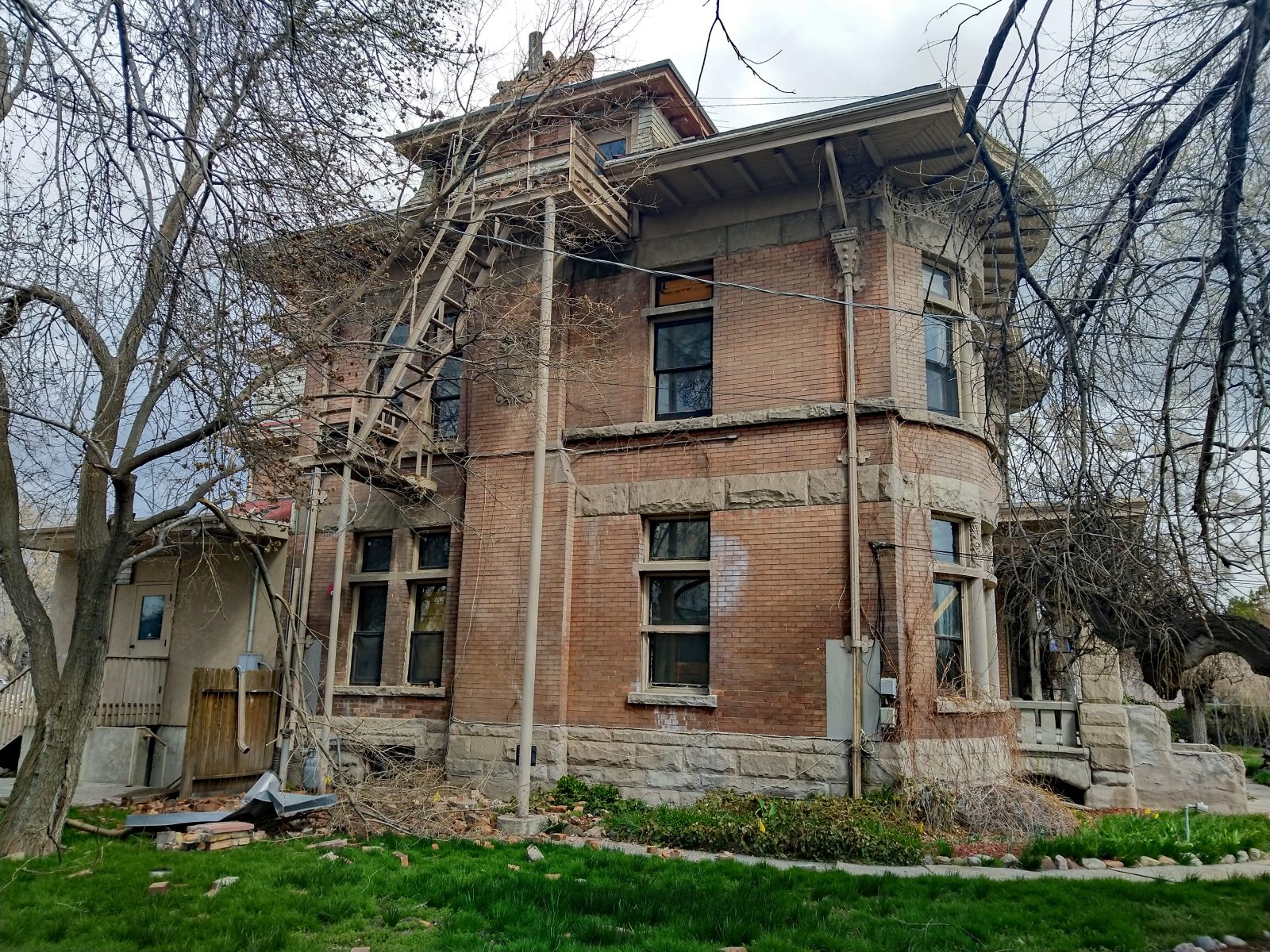
Direct answer: Once the shaking stops, check yourself for injuries first, then check the house in a fixed order: gas, electricity and water, then the structure itself. If you smell gas, see a broken line, or find cracks in the foundation, get out and stay out until professionals say it is safe. The CDC warns that damaged buildings, damaged power lines, and leaking gas and water lines are just a few of the hazards you can face — and some of the damage is hidden.
First: people, then the building
Check yourself for injuries, then help others if you have training. If you are trapped, send a text, bang on a pipe or wall, or use a whistle — and cover your mouth, nose and eyes from dust. Expect aftershocks: the CDC notes they can happen minutes, days, weeks or even months after the main shock, and if you feel one, drop, cover and hold on again.
If you are in a damaged building, go outside, move quickly away from it, and do not go back in. If you hear shifting or unusual noises, leave at once — strange noises can mean the building is about to fall. Stay clear of fallen power lines and call the electric company. On the coast, go inland or to higher ground right after the shaking stops, and stay away from floodwater, which can carry chemicals, sewage and debris.
Gas, power and water — before anything else
Do not walk into a dark house with a candle or a match. Use a battery-powered flashlight, switched on outside before you enter — FEMA's checklist warns the battery itself can produce a spark that could ignite leaking gas. Do not use matches, lighters, appliances or light switches until you are sure there are no gas leaks.
Check the gas, electrical and water lines for damage. If you smell gas or see a broken line, shut off the main valve from the outside and leave it off: a professional must restore service, and never search for a gas leak with a lighted match. Switch off the power if the house wiring is damaged, and do not switch it on again until the power company has checked the home. Do not touch downed lines or broken appliances. If you find a small fire and can put it out safely, do so; if not, leave immediately and notify the fire department.
Never run a generator or camp stove indoors — keep it outside, at least 20 feet from any window, door or vent, and use a battery-operated carbon monoxide detector. If it beeps, leave right away and call 911.
Reading the cracks: what counts as structural damage
Earthquake damage can look like ordinary wear and tear, the Utah Geological Survey warns, and hidden damage in rarely used rooms can go unnoticed — so take a second look. Walk the whole outside first: is there collapse or obvious movement of the foundation, crushing damage at the ends of walls, breaks in fence lines where the ground shifted, or a building that looks crooked? Is the floor or roof pulling away from its supports, or are decks and porches now separated from the house?
Inside, look for new or bigger cracks in drywall, stucco or plaster. Stair-step or X-shaped cracks are a clear indicator of earthquake damage, and cracks radiating from windows and doorframes deserve a close look; in brick or concrete-block homes, check for stair-step cracking in the joints. A floor that feels bouncy, soggy or mushy may hide damage beneath it, and windows, doors or stairs that now jam or wobble are warning signs.
Check the chimney before you use the fireplace again: fallen pieces or cracks in its mortar can be a structural problem, a fire hazard, and a way for deadly carbon monoxide to leak into the house — have a certified chimney inspector evaluate it. Look in crawl spaces, stairwells, basements and attics for cracked beams, roof leaks and foundation cracks, and check basement floors and exterior walls for cracks and bulges. Check that furnace and water heater connections are tight and not leaking. If you see structural damage such as cracks in the foundation or missing support beams, the CDC says you may need to relocate to a shelter — and if you hire a structural engineer, check their license.
Water, sewage and cleanup
Check for sewage and water line damage. If you suspect the sewage lines are damaged, avoid using the toilets and call a plumber. If the water pipes are damaged, contact the water company and avoid tap water; if you have a well and suspect damage, do not use the water and call a well company. Listen to local officials for advice on water precautions, and throw away perishable food that was not refrigerated properly — when in doubt, throw it out.
Clean up wearing protective clothing — a long-sleeved shirt, long pants, work gloves and sturdy thick-soled shoes. Do not try to remove heavy debris by yourself, and use a mask if you are cleaning mold or other debris. People with asthma or other lung conditions should not enter buildings with indoor water leaks or mold, and children should not take part in cleanup work.
Related pages on this site: Drop, Cover, and Hold On: What to Do During an Earthquake, Earthquake Home Safety: Secure Furniture Before It Falls, Earthquake Aftershocks: Why the Shaking Is Not Over Yet, and Earthquake Early Warning: How ShakeAlert Buys You Seconds.
Frequently asked questions
What are the first things to check after an earthquake?
Gas, electricity and water, in that order. Check for gas leaks first — if you smell gas or see a broken line, shut off the main valve from outside and leave it off. Then check the power and water lines, and only after that look for structural damage. Use a flashlight switched on outside, never a candle or match, until you are sure there is no gas leak.
What do stair-step cracks in a wall mean after an earthquake?
They are a clear indicator of earthquake damage, according to the Utah Geological Survey. Look for stair-step or X-shaped cracks in drywall, stucco or plaster, and stair-step cracking in the joints of brick or concrete-block walls — and have a structural engineer look at them.
Can I turn the gas back on myself after shutting it off?
No. Both the CDC and FEMA are clear: once gas has been turned off, a professional must restore service. Never search for a gas leak with a lighted match, and do not use light switches or appliances until you are sure there is no leak.
Should I go back inside a damaged building?
No. Do not enter a damaged building, and wait until local authorities tell you it is safe to go inside. Leave at once if you hear shifting or unusual noises — the CDC warns that strange noises could mean the building is about to fall.
Sources
- CDC - Safety Guidelines: After an Earthquake
- Utah Geological Survey - Helpful Hints on How to Spot Earthquake Damage
- Ready.gov - Earthquakes
- FEMA - Earthquake Safety Checklist (FEMA 526)
About the author
WND Editorial Team — The World Natural Disasters editorial team curates disaster information from official scientific and humanitarian sources, reviews safety guidance against public-agency recommendations, and maintains the historical database.
Written and reviewed under our editorial policy. Factual claims cite the sources listed above.
Found an error? See our corrections policy.