Carbon Monoxide Safety: What Every Home Needs to Know
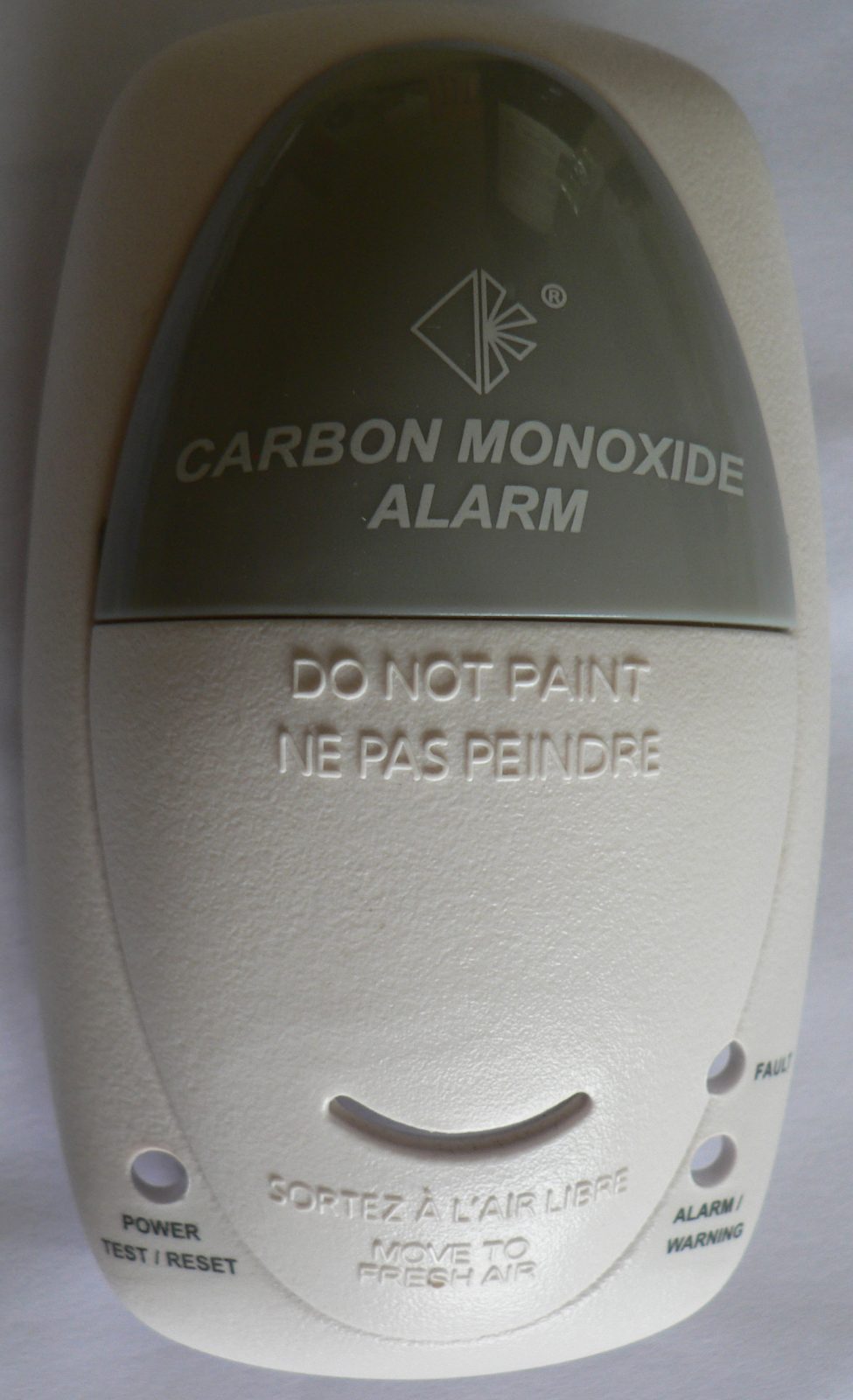
Direct answer: Carbon monoxide is a gas you cannot see or smell, and it can kill without warning. The protection is simple and it works: put battery-operated or battery back-up alarms near every sleeping area, have fuel-burning appliances serviced every year, never run a generator or burn charcoal indoors, and keep generators more than 20 feet from the house. If an alarm sounds, leave immediately and call 911.
The Centers for Disease Control and Prevention (CDC) reports that each year more than 400 Americans die from unintentional carbon monoxide poisoning not linked to fires, more than 100,000 visit an emergency department, and more than 14,000 are hospitalized. Carbon monoxide forms when fuels such as gas, oil, coal, or wood do not burn completely, and because it is odorless and colorless, people often do not know they are being poisoned.
Know the symptoms
The most common symptoms are headache, dizziness, weakness, upset stomach, vomiting, chest pain, and confusion, often described as flu-like. That resemblance to flu is part of the danger: people may go to bed thinking they are ill and never wake up. The CDC warns that people who are sleeping, drunk, or under the influence of other substances can die before having symptoms. Infants, the elderly, and people with chronic heart disease, anemia, or breathing problems are more likely to get sick.
Put alarms where they can save you
Install battery-operated or battery back-up carbon monoxide detectors near every sleeping area. The U.S. Fire Administration adds two habits: install alarms outside each separate sleeping area, on every level of the home, and test alarms at least once a month. Check the batteries when you change your clocks each spring and fall. Consider a detector with a digital readout, which shows the level it is measuring, and replace the detector following the manufacturer's instructions or every five years.
Stop it at the source
Have your heating system, water heater, and any other gas, oil, or coal appliances serviced by a qualified technician every year, and make sure gas appliances are vented properly. Never heat your house with a gas oven, and do not cook or burn anything on a stove or fireplace that is not vented. Have your chimney checked or cleaned every year. Never burn charcoal indoors, never use a portable gas camp stove indoors, and do not use portable flameless chemical heaters indoors.
Generators and cars: the rules that save lives
Operate a generator outdoors, more than 20 feet from windows, doors, and vents. Never use a generator inside the home or garage, even if doors and windows are open, and when you use a generator, use a battery-powered or battery backup carbon monoxide detector in the home. Have a mechanic check your car's exhaust system every year, and never run a car inside an attached garage, even with the garage door open. In a detached garage, always open the door to let in fresh air. If you are caught in a storm in your vehicle, the National Weather Service advises running the motor about 10 minutes each hour, keeping the exhaust pipe clear of snow and ice, and opening a window a little for fresh air to avoid carbon monoxide poisoning. The National Weather Service also stresses that proper ventilation is essential whenever you use emergency heat, to avoid a deadly carbon monoxide build-up. Before winter storms arrive, check current weather alerts and review our cold safety guidance.
If the alarm sounds
Leave immediately and call 911. Seek prompt medical attention if you feel dizzy, light-headed, or nauseous. Do not wait to see whether the feeling passes: carbon monoxide poisoning can disable you before you realize how serious it is. Make sure everyone in the home knows what the alarm sounds like and what to do when it goes off, so no time is lost wondering whether it is a false alarm.
Frequently asked questions
What does carbon monoxide poisoning feel like?
Most often headache, dizziness, weakness, upset stomach, vomiting, chest pain, and confusion, often described as flu-like. People who are sleeping or impaired may die before having symptoms, which is why an alarm matters more than watching for symptoms.
Where should I put carbon monoxide alarms?
Near every sleeping area, outside each separate sleeping area, and on every level of the home. Use battery-operated or battery back-up models, test them at least once a month, and check the batteries when clocks change each spring and fall.
What do I do if the alarm sounds?
Leave immediately and call 911. Seek prompt medical attention if you feel dizzy, light-headed, or nauseous.
Can I run a generator in the garage if I open the door?
No. Never use a generator inside the home or garage, even if doors and windows are open. Run it outdoors, more than 20 feet from windows, doors, and vents.
Sources
- Centers for Disease Control and Prevention - Carbon Monoxide (CO) Poisoning Basics
- Centers for Disease Control and Prevention - Carbon Monoxide Poisoning Prevention Guidelines
- National Weather Service Boston - Winter Weather Preparedness Week
- U.S. Fire Administration - Pictographs: Carbon Monoxide
About the author
WND Editorial Team — The World Natural Disasters editorial team curates disaster information from official scientific and humanitarian sources, reviews safety guidance against public-agency recommendations, and maintains the historical database.
Written and reviewed under our editorial policy. Factual claims cite the sources listed above.
Found an error? See our corrections policy.