Flash Floods: What to Do When Water Rises in Minutes
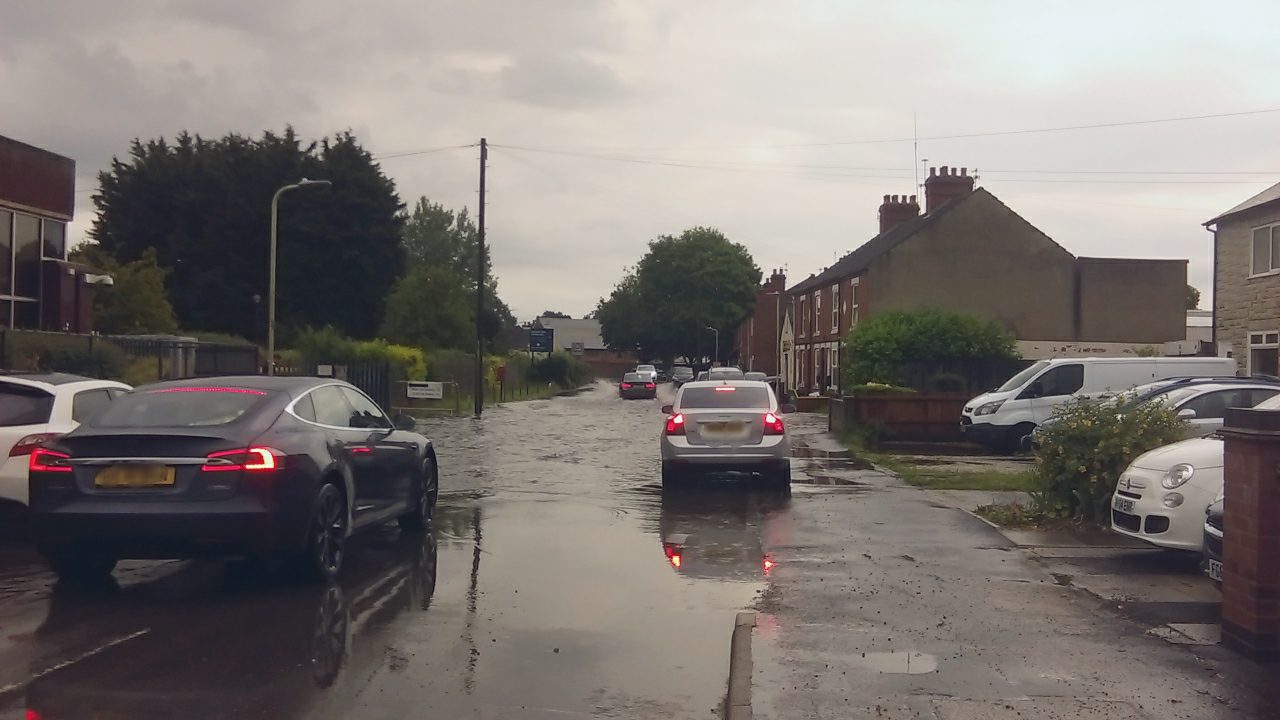
Direct answer: A flash flood is a flood that arrives in minutes, not hours — heavy rain in a short period, typically within six hours of the rain starting, according to the National Weather Service. It can rise fast enough to trap you, and it can happen in places that are not even receiving rain. The rules are short: never walk or drive through floodwater, get to high ground the moment water starts rising, and treat a flash flood warning as an order to move.
What makes a flash flood different
A flood is water overflowing onto normally dry land, but a flash flood is the fast version: heavy or excessive rainfall in a short period, typically six hours or less. Small creeks and streams rise out of their banks, streets become rivers, and low-lying areas fill before anyone has time to react. The National Weather Service warns that it is even possible to experience a flash flood in an area not immediately receiving rain — rain that falls upstream can send floodwater down toward people under a clear sky. Floods are the most common disaster in the United States, and entering floodwater can lead to injury or death.
Watch, warning, advisory — know what each one means
The National Weather Service issues three levels of flood alert, and each one asks for a different response. A Flood Watch means conditions are favorable for flooding. It does not mean flooding will occur, but it is possible — so be prepared. A Flood Advisory means flooding that is not expected to be bad enough for a warning, but may still cause significant inconvenience and, if caution is not exercised, could threaten life or property. A Flash Flood Warning means a flash flood is imminent or occurring — take action at once and move immediately to high ground. A flash flood can take from minutes to hours to develop, so a warning leaves no time to pack or debate.
If the water starts rising
During a flood, water levels and the speed of the flow can change quickly, the Weather Service warns — stay aware, watch local radio and television, and evacuate immediately when water starts to rise. Do not wait until it is too late. If you are told to evacuate, go at once and lock your home behind you.
The depth figures are worth memorizing. Just six inches of moving water can knock you off your feet, and one foot of moving water can sweep your vehicle away — the Weather Service adds that 12 inches of water can float a car or small SUV, and 18 inches can carry away a large vehicle. Stay off bridges over fast-moving water: Ready.gov warns that fast-moving water can wash a bridge away without warning.
If you are trapped, the rules change with where you are. In a car caught in rapidly moving water, stay inside the car, and get on the roof if water is rising inside it. In a building, get to the highest level; only get on the roof if necessary, and once there, signal for help — and never climb into a closed attic, where rising water can trap you. And watch for electricity: do not go into a basement or any room where water covers the electrical outlets or the cords are submerged. If you see sparks or hear buzzing, crackling, snapping or popping noises, get out.
Before the rain: know your risk
Flooding does not follow lines on a map, Ready.gov warns — even homes outside a mapped flood zone can flood. Check your risk at FEMA's Flood Map Service Center, and sign up for your community's warning system; the Emergency Alert System and NOAA Weather Radio also carry flood alerts. Learn and practice your evacuation routes, and gather supplies — non-perishable food, cleaning supplies and water for several days — in case you must leave immediately. Keep documents in a waterproof container, and move valuables to higher levels.
One thing to settle long before the rain: a standard homeowner's insurance policy does not cover flooding. Flood cover comes through FEMA's National Flood Insurance Program, and it typically takes up to 30 days for a policy to go into effect, so the time to buy is well before a disaster. In England, sign up for flood warnings from the Environment Agency, which issues flood alerts and warnings for rivers and the sea.
After the water goes down
Return home only when the authorities say it is safe, and avoid driving except in emergencies. Wear heavy work gloves, protective clothing and boots during cleanup, and use a face covering if you are cleaning mold. People with asthma or other lung conditions should not enter buildings with indoor water leaks or mold growth. Be aware that snakes and other animals may be in your house. Do not touch electrical equipment if it is wet or if you are standing in water — turn the electricity off if it is safe to do so — and run a generator or other gasoline-powered machinery only outdoors and away from windows.
Related pages on this site: Turn Around, Don't Drown: Never Drive Through Floodwater, After a Flood: How to Stay Safe During Cleanup, Flood Insurance: What a Standard Policy Covers, Wireless Emergency Alerts: The Warning on Your Phone, and US weather alerts by state.
Frequently asked questions
How deep does floodwater have to be to be dangerous?
Just six inches of moving water can knock you down, and 12 inches can float a car or small SUV. The National Weather Service's rule is simple: never walk, swim or drive through floodwater — turn around, don't drown.
What is the difference between a flash flood watch and a warning?
A watch means conditions are favorable for flooding — be prepared. A warning means a flash flood is imminent or occurring — take action and move immediately to high ground.
My car is trapped in rising water. Should I get out?
If the water is moving rapidly, stay inside the car — Ready.gov's advice is to stay in the car and get on the roof if water is rising inside it. Never drive into flooded roadways or around a barricade in the first place.
Can a flash flood happen if it is not raining where I am?
Yes. The National Weather Service notes it is even possible to experience a flash flood in an area not immediately receiving rain — heavy rain upstream can send floodwater down toward you.
Sources
- National Weather Service - During a Flood
- National Weather Service - Flood Warning vs. Watch
- Ready.gov - Floods
- Environment Agency - Flood alerts and warnings (UK)
About the author
WND Editorial Team — The World Natural Disasters editorial team curates disaster information from official scientific and humanitarian sources, reviews safety guidance against public-agency recommendations, and maintains the historical database.
Written and reviewed under our editorial policy. Factual claims cite the sources listed above.
Found an error? See our corrections policy.