Turn Around, Don't Drown: Never Drive Through Floodwater
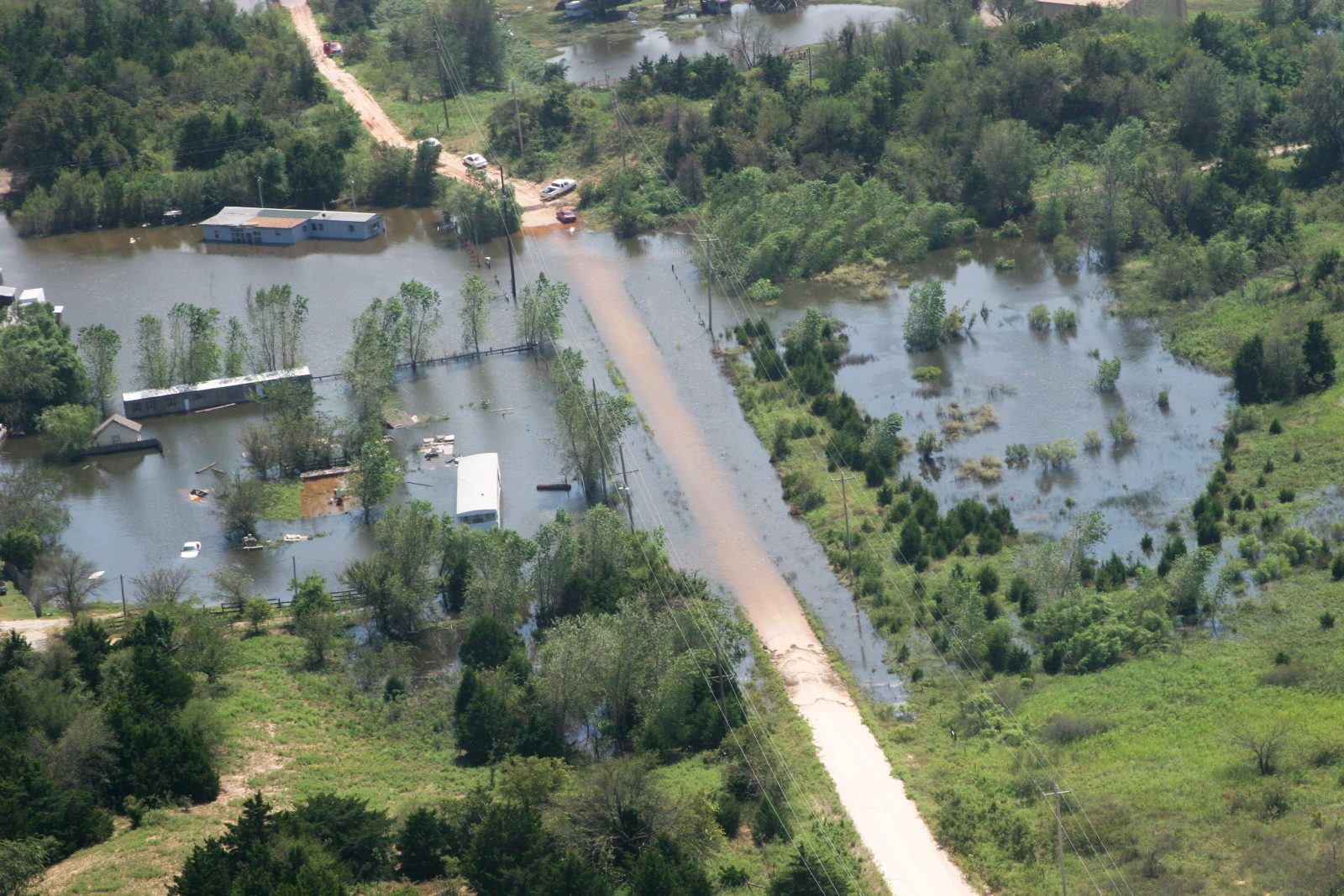
Direct answer: Turn Around, Don't Drown is the National Weather Service campaign against driving or walking through floodwater — and its core lesson is simple: never do it. Just six inches of fast-moving floodwater can knock an adult off their feet, six inches will reach the bottom of most passenger cars, twelve inches can float a car or small SUV, and two feet of rushing water can carry away most vehicles, including SUVs and pick-ups (NWS; ready.gov). More than half of all flood-related deaths are drownings from vehicles caught in floodwater and swept downstream (NWS).
The depth ladder: how little water it takes
The NWS numbers are stark. Six inches of fast-moving water can knock an adult down — and it is also enough for most vehicles to begin losing contact with the road, causing loss of control and possible stalling (NWS Lincoln; NWS Tulsa). Twelve inches of water can float a car or small SUV; eighteen inches can carry away large vehicles (NWS). The NWS Tulsa office puts the top of the ladder plainly: two feet of rushing water can carry away most vehicles, including SUVs and pick-ups. Ready.gov compresses it into one line: six inches of moving water can knock you down, and one foot of moving water can sweep your vehicle away.
That is why flooding is the second leading cause of weather-related fatalities in the US, behind only heat — claiming about 95 lives a year on average — and why more than half of flood-related deaths are drownings that result from vehicles caught in floodwaters (NWS Lincoln). Over half of all flood-related drownings occur when a vehicle is driven into hazardous floodwater, according to CDC figures cited by the NWS.
You cannot judge the water
Never drive into flooded roadways or around a barricade — local responders place barricades to direct traffic out of flooded areas safely (NWS; ready.gov). You cannot tell how deep the water is, and what lies under it: floodwater hides sharp objects, washed-out road surfaces, electrical wires and chemicals (NWS). The roadbed itself may be gone underneath (NWS Tulsa). At night the danger doubles — your vision is limited and a flooded road's hidden hazards, like washed-out sections, are harder to recognise (NWS Lincoln).
Stay off bridges over fast-moving water: fast-moving water can wash bridges away without warning (ready.gov). And get out of areas subject to flooding — dips, low spots, drainage ditches, canyons and washes (NWS Tulsa).
Flash floods: minutes, not hours
Flash floods can occur within minutes, sometimes without any sign of rain (NWS). Flooding is a temporary overflow of water onto land that is normally dry, and it is the most common disaster in the United States (ready.gov). Because flash floods can come without warning, the rule is to move to higher ground at the first sign — not to wait and see.
If water rises around your car
If floodwaters rise around your car, abandon the car and move to higher ground — if you can do so safely. You and the vehicle can be quickly swept away (NWS Tulsa). But if you are already trapped in rapidly moving water, the guidance flips: stay inside your car, and get on the roof if water is rising inside it (ready.gov). If you are trapped by moving water on foot, move to the highest possible point and call 911 if you can (ready.gov).
On foot, the same rule holds: do not walk, swim or drive through floodwater. Do not attempt to cross a flowing stream — six inches of moving water can knock you down (NWS; ready.gov).
Mudflows and debris flows
Heavy rain can also trigger debris flows — what the USGS defines as a rapid mass movement in which loose soil, rock, organic matter, air and water mobilise as a slurry flowing downslope. They are fast-moving landslides that can travel at speeds up to and exceeding 35 mph, carrying boulders, trees and cars, and they often strike without warning (USGS). They generally occur during intense rainfall or rapid snowmelt — and slopes recently burned by wildfire are especially susceptible (USGS). The safety rule is the same as for flash floods: get to high ground and never attempt to cross flowing water or a moving debris flow (NWS).
Related pages on this site: the Hurricane Safety Guide (floods often follow tropical storms), US weather alerts by state, and the historical disaster archive.
Frequently asked questions
How deep does floodwater need to be to move a car?
Twelve inches of water can float a car or small SUV, and eighteen inches can carry away large vehicles (NWS). The NWS Tulsa office states that two feet of rushing water can carry away most vehicles, including SUVs and pick-ups. Ready.gov puts it simply: one foot of moving water can sweep your vehicle away.
What should I do if floodwater rises around my car?
Abandon the car and move to higher ground — if you can do so safely (NWS Tulsa). But if you are already trapped in rapidly moving water, stay inside your car, and get on the roof if water is rising inside it (ready.gov).
Is it ever safe to walk through shallow floodwater?
No. Just six inches of fast-moving water can knock an adult off their feet (NWS). Never walk, swim or drive through floodwater, and do not attempt to cross a flowing stream — Turn Around, Don't Drown (NWS; ready.gov).
What is a debris flow, and how do I stay safe?
The USGS defines a debris flow as a rapid mass movement in which loose soil, rock, organic matter, air and water mobilise as a slurry flowing downslope — a fast-moving landslide that can exceed 35 mph and carry boulders, trees and cars, often striking without warning. They follow intense rainfall, rapid snowmelt, or wildfire burn scars. Get to high ground and never attempt to cross flowing water (USGS; NWS).
Sources
- NWS - During a Flood
- NWS Lincoln - Turn Around Don't Drown
- NWS Tulsa - Turn Around Don't Drown
- Ready.gov - Floods
- CDC - Flood Safety
- USGS - What is a debris flow?
About the author
WND Editorial Team — The World Natural Disasters editorial team curates disaster information from official scientific and humanitarian sources, reviews safety guidance against public-agency recommendations, and maintains the historical database.
Written and reviewed under our editorial policy. Factual claims cite the sources listed above.
Found an error? See our corrections policy.