Flood Insurance: What a Standard Policy Covers
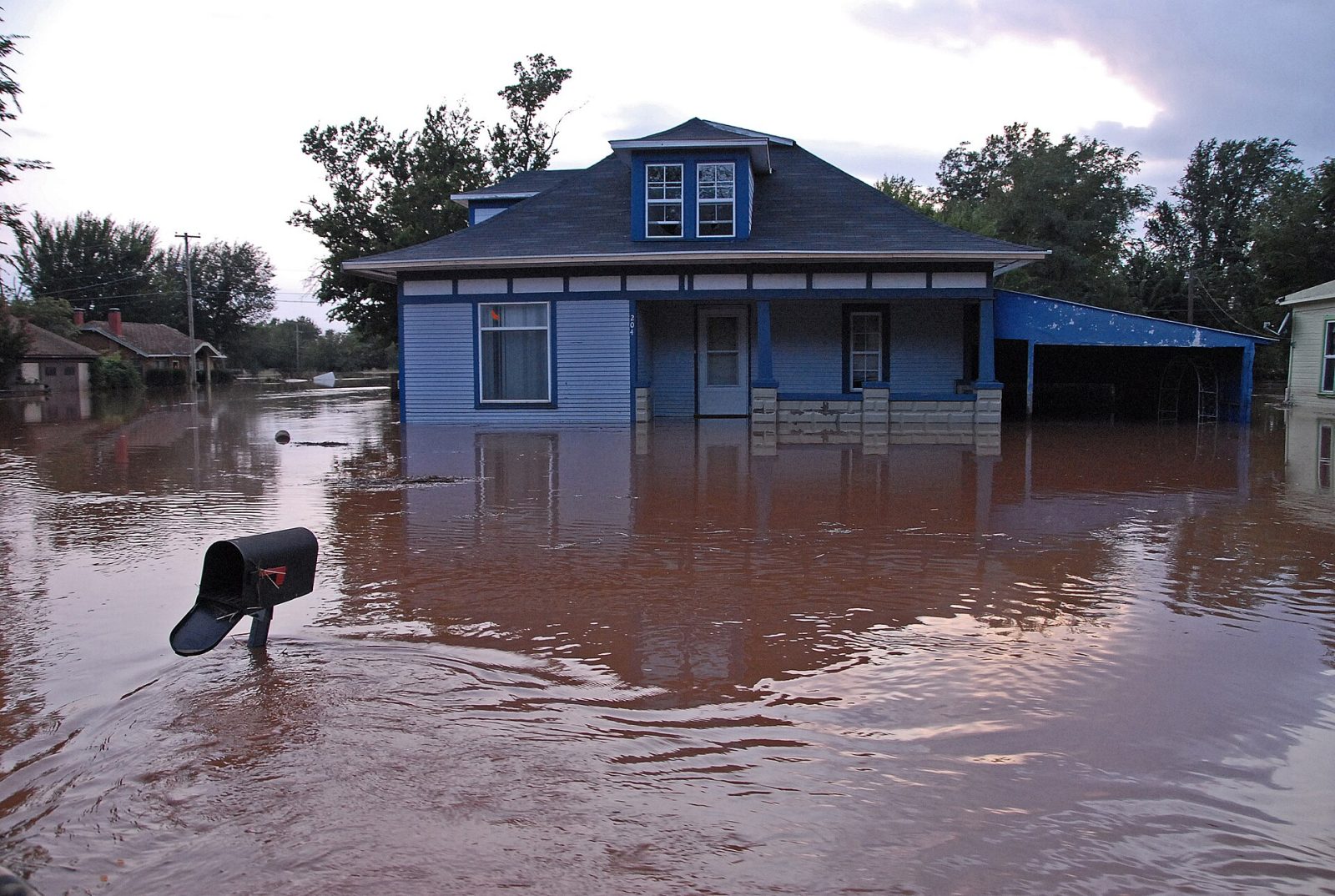
Direct answer: Most homeowners and renters insurance in the United States does not cover flood damage. Flood cover is a separate policy, sold mainly through the National Flood Insurance Program (NFIP), run by the Federal Emergency Management Agency (FEMA). An NFIP policy for a home covers up to $250,000 for the building and up to $100,000 for contents, and the two are bought separately, with separate deductibles. The most common and most expensive mistake is discovering the gap after the water is already in the house.
What counts as a flood
FloodSmart, the NFIP official site, defines a flood as water covering at least two acres of normally dry land, or water affecting at least two properties. The cause of the flood does not matter for cover, as long as it meets that definition. Flooding is the most common and most costly natural disaster in the United States, and almost one-third of NFIP claims come from outside high-risk flood areas, so a home does not have to sit beside a river to be at risk.
What building coverage pays for
Building coverage pays for physical damage to the insured structure itself, up to $250,000 for a home. FloodSmart lists what that includes: electrical and plumbing systems; furnaces and water heaters; refrigerators, stoves and built-in appliances such as dishwashers; permanently installed carpeting; permanently installed cabinets, panelling and bookcases; window blinds; foundation walls, anchorage systems and staircases; detached garages; and fuel tanks, well water tanks and pumps, and solar energy equipment.
What contents coverage pays for
Contents coverage pays for physical damage to personal property inside the building, up to $100,000. FloodSmart lists clothing, furniture and electronic equipment; curtains; clothes washer and dryer; portable and window air conditioners; a microwave; carpet installed over wood floors; and valuable items such as original artwork and furs, up to $2,500. Building and contents cover are separate purchases, so buying building cover alone leaves everything inside the home uncovered.
What it does not cover
An NFIP policy does not cover damage caused by moisture, mildew or mould that the homeowner could have avoided. It does not cover currency, precious metals or valuable papers such as stock certificates. It does not cover property and belongings outside the building, such as trees, plants, wells, septic systems, walkways, decks, patios, fences, seawalls, hot tubs and swimming pools. It does not cover financial losses from business interruption or loss of use of the property, and it does not cover most self-propelled vehicles, such as cars. It also does not pay additional living expenses, such as temporary housing while a home is being repaired.
Basement cover is limited. FloodSmart says the policy covers some items in a basement, for example furnaces, water heaters and air conditioners, but not others, for example finished walls, floors or ceilings, or personal property and clothing stored in a basement.
The 30-day wait
Cover normally goes into effect 30 days after the date of purchase, so buying a policy when a storm is already forecast is usually too late. FloodSmart lists four exceptions to the wait: no wait if you buy flood insurance while making, increasing, extending or renewing a mortgage; no wait if you change your flood insurance coverage while renewing your policy; a one-day wait if your property is in a newly designated high-risk flood zone and you buy a policy within 12 months of the update; and a one-day wait if a flood is caused or worsened by a wildfire on federal land and you buy a policy within 60 days of the wildfire containment date.
In the UK, flood cover works the other way round
In the UK, flood insurance is normally included as part of a home insurance policy, and only in very rare cases is flood cover excluded, according to Flood Re — the opposite of the United States, where it is a separate policy. Flood Re puts the average cost of repairing a flooded property at £50,000–£70,000.
Flood Re keeps high-risk cover affordable
Flood Re is a joint initiative between the UK Government and insurers. It works behind the scenes: your insurer can pass the flood risk element of your policy to Flood Re for a fixed price, and if you claim, your insurer pays and Flood Re reimburses it. Premiums vary by the property's Council Tax band, claims carry a fixed £250 excess, and the scheme covers homes built before 1 January 2009 and runs until 2039. Its Build Back Better offer reimburses up to £10,000 of flood-resilience measures fitted during repairs after a flood.
Check the risk before you buy: in the US, start at floodsmart.gov and talk to your insurance agent before flood season, not during it. In the UK, check the long-term flood risk for a property at gov.uk/check-flood-risk. Check weather alerts for your area so a coming storm never catches you without cover in place.
Frequently asked questions
Does homeowners insurance cover flood damage?
Usually not, in the United States. FloodSmart says most homeowners and renters insurance does not cover flood damage. Flood cover is a separate policy, sold mainly through the National Flood Insurance Program (NFIP).
How much does an NFIP policy cover for a home?
Up to $250,000 for the building and up to $100,000 for contents. Building and contents coverage are bought separately and have separate deductibles.
How long after buying a policy does cover start?
Cover normally goes into effect 30 days after the date of purchase. There are four exceptions, including no wait when the policy is bought with a mortgage, and a one-day wait for a newly designated high-risk zone or a wildfire-related flood.
Is flood insurance different in the UK?
Yes. In the UK, flood cover is normally included in a standard home insurance policy. Flood Re, a joint Government and insurer scheme, keeps cover affordable for high-risk homes: your insurer can pass the flood part of your policy to Flood Re, and homes built before 1 January 2009 are eligible.
Sources
- FEMA FloodSmart - What you need to know about buying flood insurance
- FEMA FloodSmart
- Flood Re - How does Flood Re work?
About the author
WND Editorial Team — The World Natural Disasters editorial team curates disaster information from official scientific and humanitarian sources, reviews safety guidance against public-agency recommendations, and maintains the historical database.
Written and reviewed under our editorial policy. Factual claims cite the sources listed above.
Found an error? See our corrections policy.