After a Flood: How to Stay Safe During Cleanup
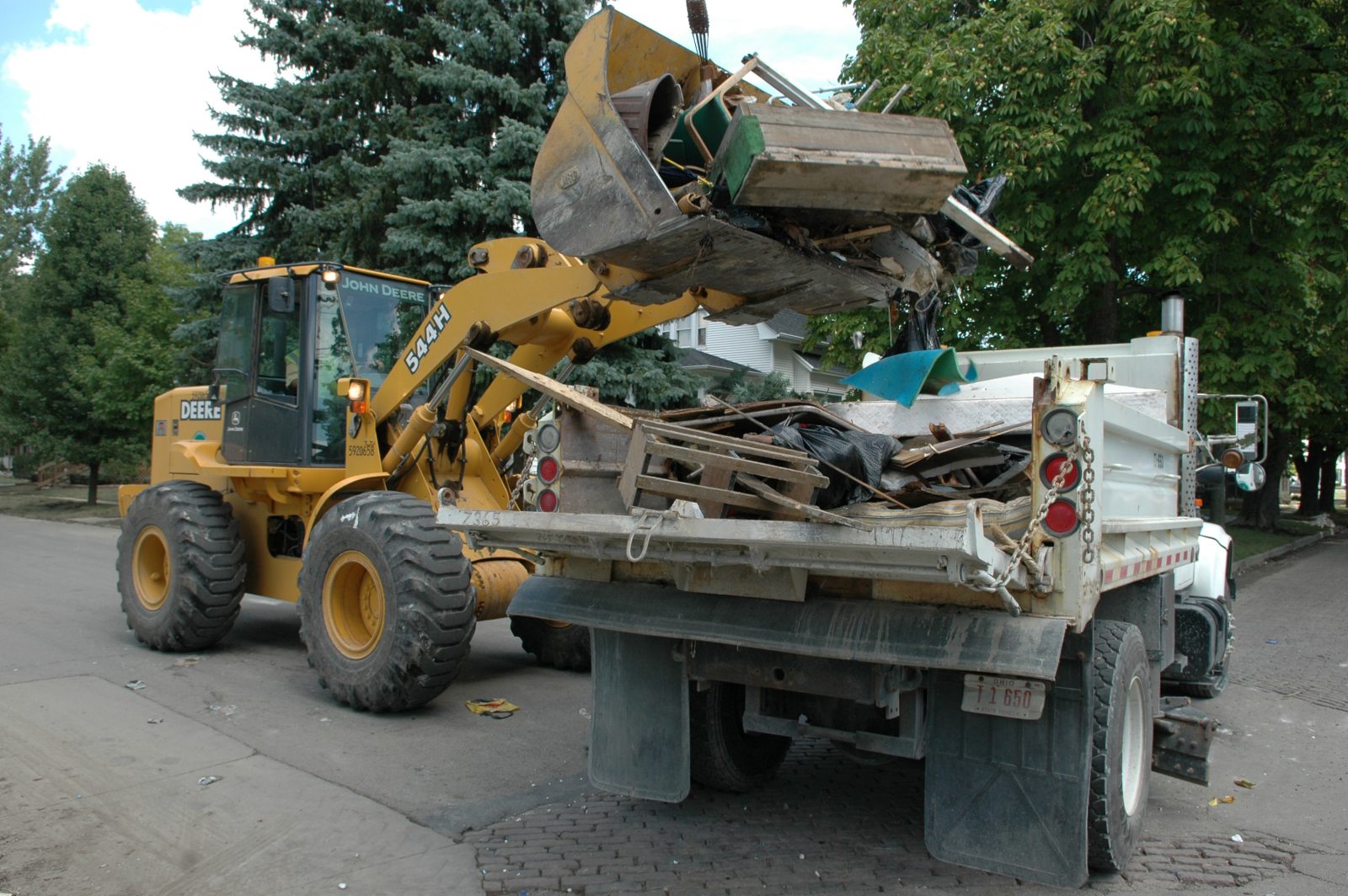
Direct answer: The floodwater has gone, but the danger has not. After a flood, return home only when the authorities say it is safe. Treat everything the water touched as contaminated: do not drink the water, throw out food that got wet, and gear up with gloves, boots, goggles and an N95 mask. Dry the house quickly, keep generators at least 20 feet from the home, and when in doubt about food or water, throw it out (CDC; FEMA).
Re-entering the home safely
Return in daylight to see the hazards, and use battery-powered flashlights, never candles or gas lanterns (CDC). First walk the outside: look for damaged power lines and gas lines and cracks in the foundation. If you find significant damage, wait until a building inspector or government authority certifies the building safe. Inside, check sagging floors and ceilings — waterlogged ones may be unsafe to walk on (FEMA). If the house has been closed for more than 48 hours, open the doors and windows and air it out before staying inside (FEMA; CDC).
Gas and electricity first
Smell gas or hear hissing? Turn off the main gas valve, open all windows, leave immediately and call the gas company or fire department. Do not turn on lights or do anything that could cause a spark (CDC).
For electricity: if circuits or equipment got wet or are in or near water, turn off the power at the main breaker — but if you would have to walk through standing water to reach it, call an electrician. Have an electrician check the system before you turn the power back on, and make sure all equipment is completely dry first (CDC). Never turn power on or off, or use an electrical tool or appliance, while standing in water (FEMA).
Generators and carbon monoxide
Never run a generator or any fuel-burning device inside your home, basement, garage or camper — or even outside near an open window, door or vent. Carbon monoxide is odourless and colourless and can cause sudden illness and death (CDC). Keep such engines at least 20 feet from any door, window or vent. Do not connect a generator to your home's circuits without approved automatic-interrupt devices (CDC).
Water: do not drink floodwater
Floodwater can carry dangerous bacteria from overflowing sewage and agricultural and industrial waste — eating or drinking anything contaminated can cause disease. Never use floodwater to drink, wash dishes, brush teeth, prepare food, make ice or make baby formula (CDC). Use bottled, boiled or treated water instead, and follow your health department's guidance.
Boiling is the best way to kill germs: bring clear water to a rolling boil for 1 minute — 3 minutes above 6,500 feet — then cool and store it in clean containers. The fallback is unscented household bleach (5–9%): 8 drops per gallon of clear water, 16 for cloudy water, then wait 30 minutes (CDC). But know the limit: boiling and disinfection cannot make water containing fuel, toxic chemicals or radioactive materials safe — use bottled water and contact your health department (CDC).
Food: when in doubt, throw it out
Throw away any food, beverage or medicine exposed to floodwater and mud — FEMA says that includes canned goods and sealed-shut containers. Discard perishables that were not refrigerated properly during the outage, and anything with an unusual odour, colour or texture. Unsafe food can make you sick even if it tastes normal (CDC).
Mould: dry fast, clean safely
Clean up and dry your home quickly — within 24 to 48 hours if possible (CDC).
Throw away anything that cannot be cleaned or dried quickly: mattresses, carpeting and padding, rugs, upholstered furniture, pillows, baby toys and paper products. Remove and discard drywall and insulation contaminated with sewage or floodwater (CDC). Clean hard surfaces — flooring, concrete, wood and metal furniture, countertops, appliances, sinks — with hot water and laundry or dish detergent. For small patches, clean mould with 1 cup of household bleach per 1 gallon of water, wearing goggles, an N-95 respirator and gloves, in a ventilated space. Never mix bleach with ammonia — the fumes are toxic. If mould covers more than 10 square feet, consider getting a professional (CDC). People with asthma, other lung conditions or weakened immune systems should not enter mouldy buildings — and children should not take part in disaster cleanup at all (CDC; ready.gov).
Protective gear and a safe pace
Gear up before you start: goggles, an N95 mask, heavy work gloves and waterproof boots. With sewage, wear rubber boots, rubber gloves and goggles (CDC). Work in teams of at least two and do not lift more than 50 pounds per person. Wash your hands with soap and safe water after cleanup, and keep open cuts clean — wash with soap and apply antibiotic ointment if they were exposed to floodwater (CDC).
Keep children and pets away until cleanup is completed. Wash flood-touched toys in 1 cup of bleach in 5 gallons of water and air-dry them; throw out stuffed animals and baby toys that cannot be cleaned (CDC).
Document the damage
After starting your insurance claim, photograph the damage before and while you clean, keep all receipts for repairs, temporary housing and cleanup, and contact your insurance agent early (FEMA).
Related pages on this site: the Hurricane Safety Guide (floods often follow hurricanes), US weather alerts by state, and the historical disaster archive.
Frequently asked questions
Can I eat canned food that touched floodwater?
No. FEMA says to throw out all food, beverages and medicine exposed to floodwater and mud — including canned goods and containers with food or liquid that have been sealed shut. The CDC adds: throw away food that may have come in contact with flood or storm water, and unsafe food can make you sick even if it looks, smells and tastes normal. When in doubt, throw it out.
Is one minute of boiling enough to make tap water safe after a flood?
Boiling is the best way to kill germs: the CDC says bring clear water to a rolling boil for 1 minute (3 minutes at elevations above 6,500 feet), then cool and store it in clean containers. But boiling does NOT remove fuel or toxic chemicals — if you suspect chemical contamination, do not use that water; use bottled water and contact your health department. Well owners should get their water tested after flooding.
Can I clean up mould myself, or do I need a professional?
You can clean a small amount yourself: the CDC says use 1 cup of household bleach per 1 gallon of water, wearing goggles, an N-95 respirator and protective gloves, in a ventilated space. If the mould covers more than 10 square feet, consider getting a professional. People with asthma, chronic lung conditions or weakened immune systems should avoid mouldy buildings entirely.
How far from the house must my generator be?
Never inside the home, basement, garage, carport, porch or any enclosed or partially enclosed structure — and at least 20 feet from any door, window or vent, even if windows and doors are open. Carbon monoxide is odourless and colourless and can cause sudden illness and death. FEMA's flood guidance gives the same 20-foot distance from any point of entry.
Sources
- Ready.gov - Floods
- CDC - Guidelines for Cleaning Safely After a Disaster
- CDC - Safety Guidelines: Reentering Your Flooded Home
- CDC - How to Make Water Safe in an Emergency
- CDC - 8 Tips to Clean Up Mold
- CDC - Preventing Mold
- FEMA - Tips for returning home safely after a disaster
- FEMA Blog - 7 Flood Safety Tips
About the author
WND Editorial Team — The World Natural Disasters editorial team curates disaster information from official scientific and humanitarian sources, reviews safety guidance against public-agency recommendations, and maintains the historical database.
Written and reviewed under our editorial policy. Factual claims cite the sources listed above.
Found an error? See our corrections policy.