Drop, Cover, and Hold On: What to Do During an Earthquake
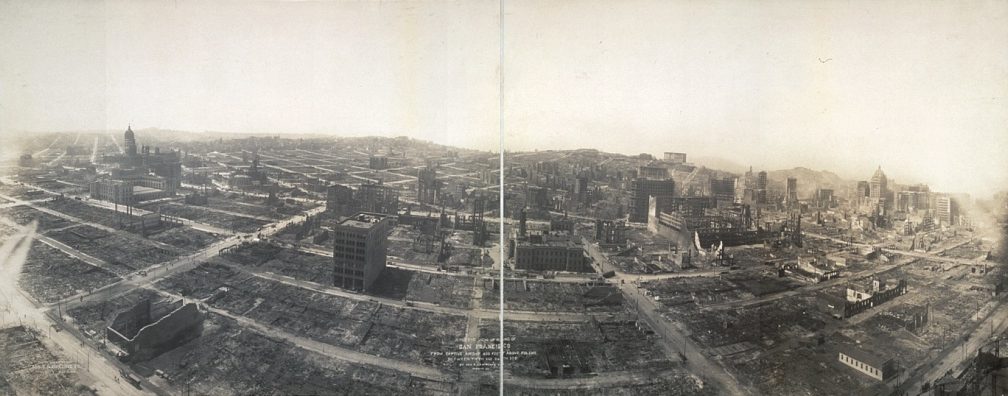
Direct answer: When an earthquake starts, Drop onto your hands and knees, take Cover under sturdy furniture to protect your head and neck, and Hold On until the shaking stops. Stay inside until it is over: most injuries happen when people try to run out through falling debris. Heading for a doorway is outdated advice — in modern buildings doorways are no stronger than the rest of the house (USGS).
The three steps
ready.gov lays out the method used by US emergency agencies. Drop where you are, onto your hands and knees. This position protects you from being knocked over and lets you crawl. Cover your head and neck with one arm and hand. If a sturdy table or desk is nearby, crawl under it; if no shelter is nearby, crawl next to an interior wall, away from windows. Stay on your knees and bend over to protect your vital organs. Hold On until the shaking stops — if you are under shelter, hold on with one hand and be ready to move with it if the furniture moves; if you are not under shelter, hold on to your head and neck with both arms.
The USGS advises practising Drop, Cover and Hold On at home and at work at least twice a year.
What to do depends on where you are
Indoors: stay there. Get under a desk or table and hang on, or move into a hallway or against an inside wall. Stay clear of windows, fireplaces and heavy furniture, and get out of the kitchen. Do not run downstairs or rush outside while the building is shaking (USGS).
In bed: stay there, turn face down and cover your head and neck with a pillow.
Outdoors: move into the open, away from buildings, power lines, chimneys and anything else that could fall on you (USGS; ready.gov adds trees and streetlights).
In a car: pull over and stop, moving as far out of traffic as possible, and set the parking brake. Never stop on or under a bridge or overpass, or under trees, light posts, power lines or signs — stay inside the vehicle until the shaking stops.
In a crowded public place: do not rush for the doors; crouch and cover your head and neck. In a high-rise building, stay away from windows and outside walls, stay out of the lifts, and get under a table.
If you use a cane, walker or wheelchair
With a cane, drop, cover and hold on — or sit on a chair or bed and cover your head and neck with both hands, keeping the cane nearby. With a walker or wheelchair, lock your wheels if you can, get as low as possible, bend over and cover your head and neck with your arms, a book or a pillow, then hold on until the shaking stops.
Forget the doorway
The idea that a doorway is the safest spot is a leftover from earthquakes in unreinforced masonry or adobe homes, where the door frame was sometimes the only thing left standing. The USGS says it plainly: in modern homes, doorways are no stronger than any other part of the house, and the door itself can swing and injure you. You are safer under a sturdy piece of furniture practising Drop, Cover and Hold On.
Before: secure your space
Shaking makes light fixtures fall, moves refrigerators across floors and topples bookcases and television sets. So secure heavy items — bookcases, refrigerators, water heaters, televisions and anything hanging on walls — and store heavy and breakable objects on low shelves (USGS; ready.gov). Install latches, braces and fasteners: fasten televisions, stereos and shelves to the wall. The USGS also recommends four basic steps: secure your space, make a disaster plan (including how you will communicate), organise disaster supplies in convenient locations, and keep important documents organised.
Make a family emergency plan with an out-of-state contact and a meeting place if you are separated. For supplies, the USGS recommends water for each family member for at least two weeks — at least one gallon per person per day — plus a first-aid kit and handbook, flashlights with extra bulbs and batteries, a portable radio with extra batteries, crescent and pipe wrenches to turn off gas and water, adequate medications and a fire extinguisher. ready.gov adds a whistle and enough food for several days.
After: aftershocks and the next steps
Expect aftershocks after the main shock and be ready to Drop, Cover and Hold On again if you feel one. If you are in a damaged building, go outside and move quickly away from it; do not re-enter damaged buildings. Serious hazards after a quake include damaged structures, leaking gas and water lines and downed power lines (ready.gov).
If you are trapped, send a text or bang on a pipe or wall. Cover your mouth with your shirt for protection, and use a whistle instead of shouting. Check yourself for injuries and help others if you have training. Communicate by text message rather than calls — texts are more reliable and save battery — and if you are in an area that could experience a tsunami, go inland or to higher ground immediately after the shaking stops.
Related pages on this site: the Earthquake Safety Guide for checklists and the full before-during-after breakdown, US weather alerts by state, and the historical disaster archive.
Frequently asked questions
Should I stand in a doorway during an earthquake?
No — that is outdated advice. In modern homes, doorways are no stronger than any other part of the house, and the door itself can swing and injure you. The USGS recommends Drop, Cover and Hold On under a sturdy piece of furniture such as a strong desk or table, and staying indoors until the shaking stops.
What if there is no table or desk to get under?
Crawl next to an interior wall, away from windows, stay on your knees and cover your head and neck with your arms. If you are in bed, stay there, turn face down and cover your head and neck with a pillow. In a crowded place, do not rush for the doors — crouch and cover your head and neck with your hands and arms.
What should I do right after the shaking stops?
Expect aftershocks and be ready to Drop, Cover and Hold On again. Do not re-enter damaged buildings. If trapped, send a text or bang on a pipe or wall, cover your mouth with your shirt, and use a whistle instead of shouting. Communicate by text rather than calls — it is more reliable and saves battery. In a coastal area with tsunami risk, go inland or to higher ground immediately.
How can I prepare my home before an earthquake?
Secure heavy items — bookcases, refrigerators, water heaters, televisions and wall hangings — and store heavy and breakable objects on low shelves. Install latches, braces and fasteners; fasten TVs, stereos and shelves to the wall. The USGS recommends water for at least two weeks (one gallon per person per day), a first-aid kit, flashlights with extra batteries, a portable radio, wrenches to turn off gas and water, medications, and a fire extinguisher.
Sources
- Ready.gov (FEMA/DHS) - Earthquakes
- USGS FAQ - What should I do DURING an earthquake?
- USGS - Earthquake Facts & Earthquake Fantasy
- USGS FAQ - What can I expect in my house when an earthquake occurs?
- USGS FAQ - What can I do to be prepared for an earthquake?
- USGS - How Big Was That Earthquake? (moment magnitude)
About the author
WND Editorial Team — The World Natural Disasters editorial team curates disaster information from official scientific and humanitarian sources, reviews safety guidance against public-agency recommendations, and maintains the historical database.
Written and reviewed under our editorial policy. Factual claims cite the sources listed above.
Found an error? See our corrections policy.