Earthquake Aftershocks: Why the Shaking Is Not Over Yet
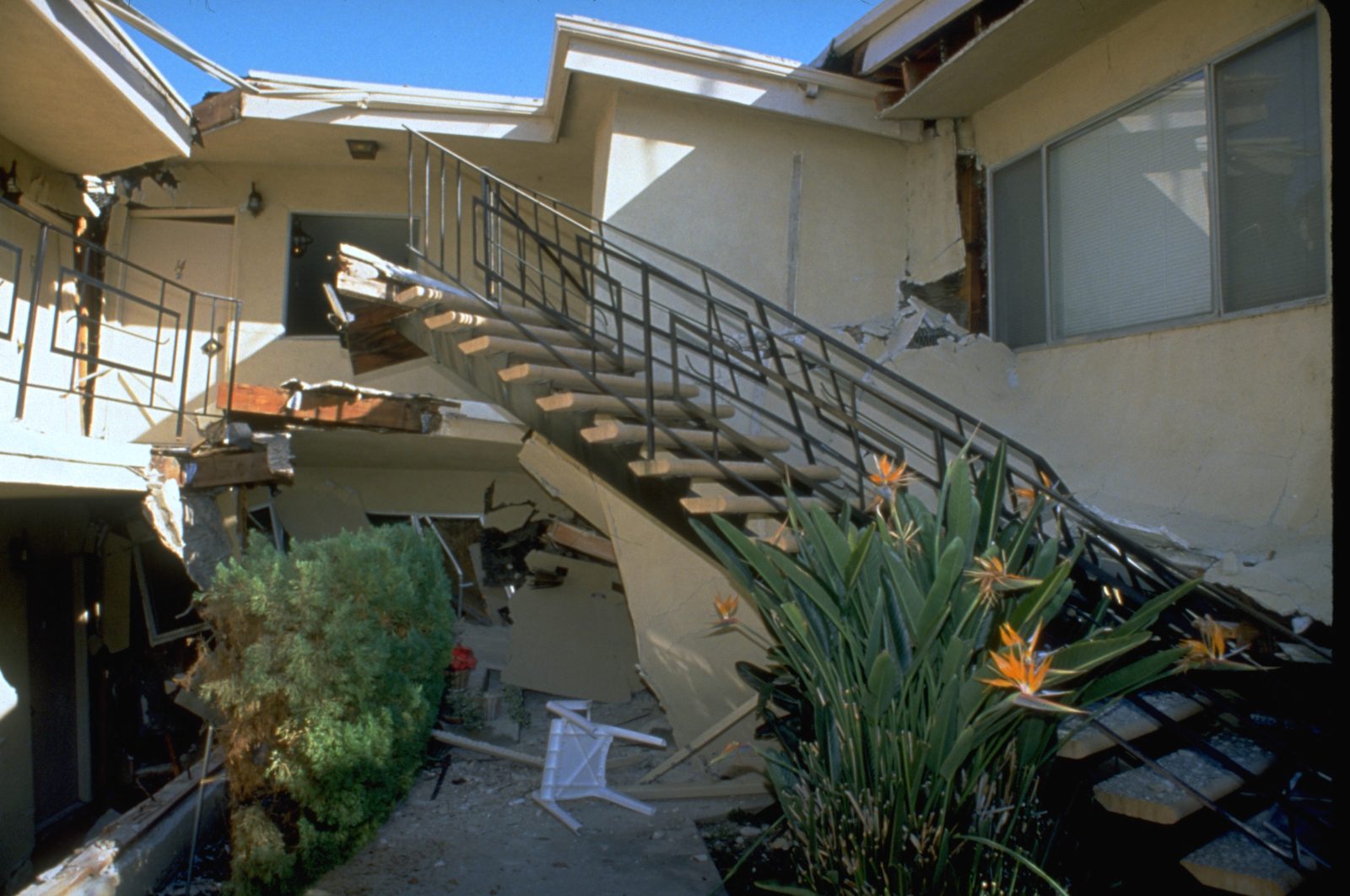
Direct answer: When the mainshock ends, the danger is not over. The smaller earthquakes that follow it, called aftershocks, can go on for days, weeks or even months, and a strong one can damage buildings the mainshock already weakened. The US Geological Survey (USGS) warns that most aftershocks are smaller than the mainshock but can still be damaging or deadly. Stay out of damaged buildings, and be ready to Drop, Cover and Hold On again the moment you feel shaking.
What an aftershock is
An aftershock is an earthquake that follows a larger earthquake, the mainshock, in the same area, as the ground around the fault settles into a new position. Aftershocks are most frequent right after the mainshock, and their rate falls with time, although a larger aftershock can briefly push the rate up again. The USGS gives a concrete example: in the ten days after a magnitude 5 earthquake near Pahala, Hawaii, on 14 October 2022, there were six aftershocks of magnitude 3 or greater, and more than 100 of magnitude 2 or greater, within 6.2 miles of the epicenter.
Most sequences fade quietly. But about 5 percent of earthquakes are followed by a larger earthquake, the USGS notes. When that happens, the earlier quakes are reclassified as foreshocks, and the new, larger one becomes the mainshock. That is why seismologists never promise that the biggest shaking is over: after a strong earthquake, the honest forecast is that more shaking is likely, not that it has finished.
Right after the shaking stops
Ready.gov sets out the first steps. Check yourself for injury, and help others if you have training. Then look for hazards: damage to the building, leaking gas and water lines, and downed power lines. If you are in a damaged building, go outside and quickly move away from it, and do not go back inside. If you are trapped, send a text or bang on a pipe or wall, cover your mouth with your shirt to keep dust out, and use a whistle instead of shouting, which can draw dust into your lungs.
If you are near the coast or in a low-lying area, go inland or to higher ground immediately after the shaking stops. The USGS warns that a tsunami wave can come ashore before warning sirens sound. Avoid contact with floodwaters, which can contain chemicals, sewage and debris. Once you are safe, follow local news and emergency information on a battery-operated radio, television, social media or cell phone text alerts, and use text messages rather than voice calls to let people know you are safe.
Damaged buildings are the second danger
A building that survived the mainshock with cracks in its walls, a shifted foundation or a damaged chimney is exactly the building an aftershock can finish off. Do not re-enter a damaged building to fetch belongings, and do not sleep in one until the authorities say it is safe. When you do start cleaning up, Ready.gov advises protective clothing: a long-sleeved shirt, long pants, work gloves and sturdy thick-soled shoes, and never try to remove heavy debris by yourself.
USGS aftershock forecasts
For most magnitude 5 and larger earthquakes in the United States and its territories, the USGS issues an aftershock forecast, the first one 20 minutes after the mainshock and updated 74 more times during the first year. Each forecast gives the expected number of aftershocks that may be felt, the probability of aftershocks large enough to cause damage (magnitude 5 and greater), and the probability of a moderate to large earthquake (magnitude 6 to 7). You can find the forecast for a recent earthquake on its event page at earthquake.usgs.gov, under the card labeled Aftershock Forecast.
The mainshock is only the first chapter of an earthquake. Treat every strong tremor that follows with the same respect: Drop, Cover and Hold On, then check for new damage before you move. Read about past earthquakes on our history page, and check current warnings on our weather alerts page.
Frequently asked questions
What is an aftershock?
An aftershock is an earthquake that follows a larger earthquake, the mainshock, in the same area. Aftershocks are most frequent right after the mainshock, and their rate falls with time, although a larger aftershock can briefly push the rate up again.
How long do aftershocks last?
They can go on for days, weeks or even months after the mainshock. The USGS issues aftershock forecasts for most magnitude 5 and larger earthquakes in the United States, with the first forecast 20 minutes after the mainshock and updates continuing through the first year.
Can an aftershock be bigger than the mainshock?
Yes, although it is uncommon. The USGS notes that about 5 percent of earthquakes are followed by a larger earthquake. When that happens, the earlier quakes are called foreshocks, and the new, larger one becomes the mainshock.
What should I do if I feel an aftershock?
Drop, Cover and Hold On, just as during the mainshock. Once the shaking stops, check for new damage. If you are in a damaged building, go outside and move away from it, and do not go back inside.
Sources
- USGS - Volcano Watch: Aftershock forecasts let you know what to expect after a large earthquake
- Ready.gov - Earthquakes
About the author
WND Editorial Team — The World Natural Disasters editorial team curates disaster information from official scientific and humanitarian sources, reviews safety guidance against public-agency recommendations, and maintains the historical database.
Written and reviewed under our editorial policy. Factual claims cite the sources listed above.
Found an error? See our corrections policy.