Wildfire Smoke Safety: Protect Your Health Indoors and Out
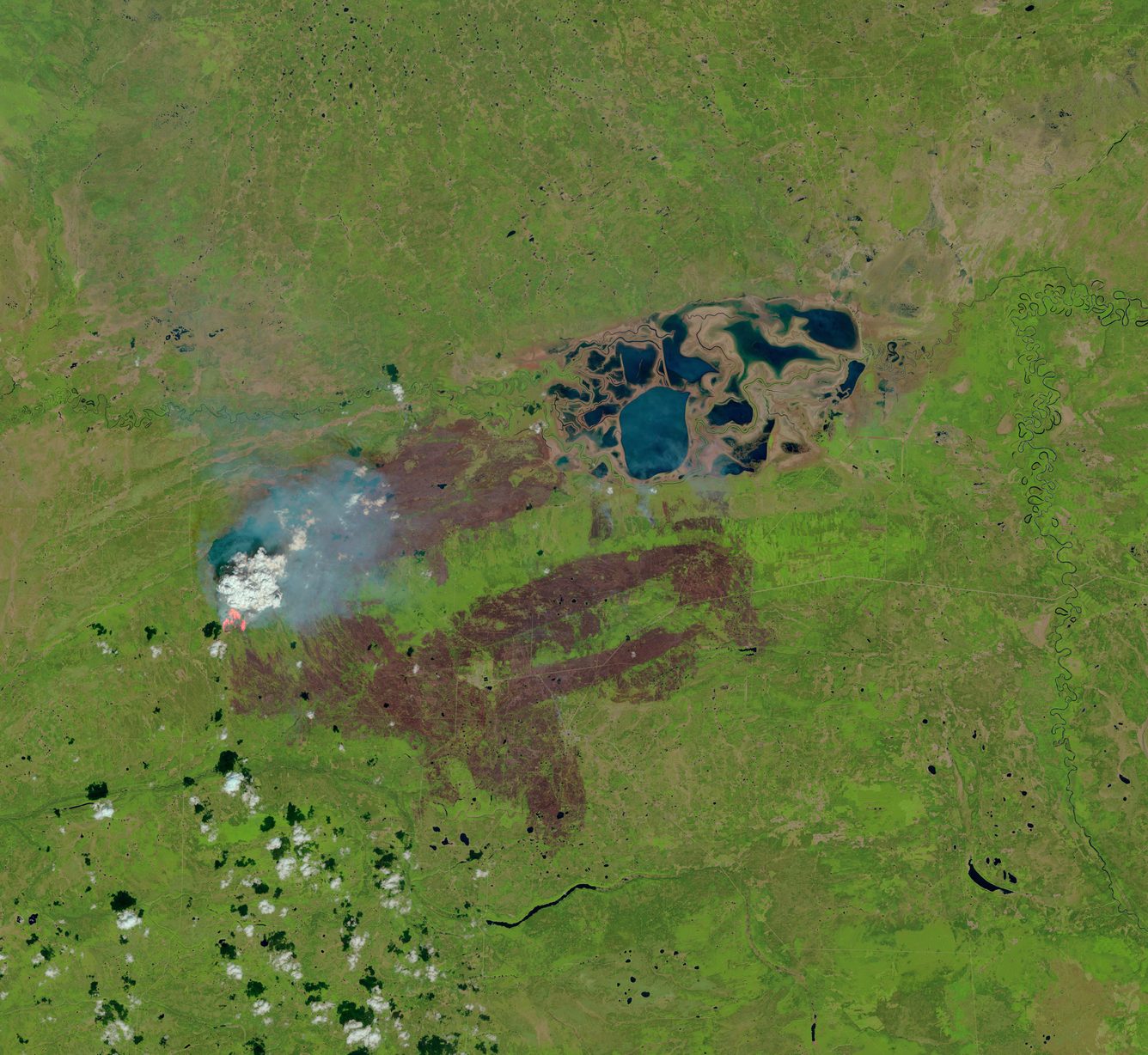
Direct answer: When wildfire smoke arrives, stay indoors, check the Air Quality Index (AQI) at AirNow.gov, and make one room a clean room with filtered air. Only go outside if you must, and then only with a properly fitting NIOSH-approved N95 or P100 respirator. Smoke can travel hundreds to thousands of miles, so you can be affected even far from the flames.
What is in wildfire smoke
Wildfire smoke is a mixture of gases, vapours and particles. The pollutant of greatest health concern is fine particulate matter, PM2.5 — particles 2.5 micrometres or less in diameter. Particles this small can get deep into the lungs, and some may even get into the bloodstream. The US Environmental Protection Agency (EPA) notes there is clear evidence that there is no PM2.5 concentration below which health effects have not been observed. Short-term exposure can cause eye irritation, coughing, wheezing and difficulty breathing, and can worsen asthma, other lung diseases and heart disease. Children, older adults, pregnant people, people with heart or lung disease, diabetes or chronic kidney disease, and outdoor workers are at greater risk.
Read the Air Quality Index
The AQI runs from 0 to 500: the higher the number, the less healthy the air is for everyone. The EPA and AirNow use six categories: 0–50 Good (green), little or no risk; 51–100 Moderate (yellow), acceptable, though unusually sensitive people may have a moderate concern; 101–150 Unhealthy for Sensitive Groups (orange), when sensitive groups may experience health effects; 151–200 Unhealthy (red), when everyone may begin to experience effects; 201–300 Very Unhealthy (purple), a health alert when everyone may experience more serious effects; and 301–500 Hazardous (maroon), a health warning of emergency conditions. The CDC and NIOSH advise a simple rule: if you must go outside, check AirNow.gov first and go out only when air quality is Good or Moderate. If air quality is in an unhealthy category that could affect you, or it simply looks smoky outside, wear a properly fitting respirator that seals around your nose and mouth.
Make one clean room
Unless evacuation becomes necessary, staying indoors is the best protection during a smoke episode. The EPA recommends setting up a clean room: a room that can be closed off, such as a bedroom with an attached bathroom. Close all windows and doors, but never do anything that makes it hard to get out. Keep the room cool with fans or air conditioning, and if your heating or cooling system has a fresh-air option, turn it off, close the intake, or set the system to recirculate. Run a portable air cleaner that is the right size for the room, continuously on the highest fan setting if you can, and choose one that does not produce ozone. If you have central heating and cooling, fit a high-efficiency filter (MERV 13 or higher) and run the fan on On instead of Auto, after checking with an HVAC technician that MERV 13 or higher suits your system. Do not add smoke indoors: no smoking or vaping, no gas, propane or wood-burning stoves, no aerosol sprays, no frying or broiling food, no candles or incense, and no vacuuming unless the vacuum has a HEPA filter. If no commercial cleaner is available, a DIY box-fan filter (MERV 13 or higher filter on a 2012-or-newer UL or ETL fan, highest speed, never left unattended) is a temporary alternative only.
Masks that work — and ones that do not
If you must go outdoors, wear a NIOSH-approved N95 or P100 respirator. When correctly worn with a proper fit, a respirator can reduce exposure by a minimum of ten times. Pick a size that seals tightly over your nose and under your chin, form the nose clip firmly, and do a seal check every time. Respirators only filter particles — they do not protect against gases or vapours and do not provide oxygen — and they can make breathing harder, so if you have a heart or lung problem, talk to your doctor before wearing one. Cloth masks, surgical masks, bandanas and wet cloths do not protect against smoke: they are not designed to seal to the face and cannot filter smoke particles. If N95s are not available, a KN95 is a lesser fallback because its ear loops give a less snug fit. Children aged 2 and older can wear respirators if the fit is right; children younger than 2 should not wear masks or respirators.
When to leave, and when to get help
Follow your local officials on when to evacuate and when it is safe to return, and do not return home until you are told it is safe. Consider evacuating if you have trouble breathing or other symptoms that do not get better. If you cannot stay cool at home, the electricity goes out, or too much smoke keeps getting in, seek shelter elsewhere — with friends or family outside the smoke, at a public cleaner-air shelter, or in a large commercial building with good filtration. Contact your healthcare provider if you have trouble breathing, shortness of breath, or a cough that will not stop. Call 911 or go to an emergency department right away for severe trouble breathing, chest pain, or signs of a heart attack or stroke.
Related pages on this site: US weather alerts by state to see the warnings in force now, and the historical disaster archive.
Frequently asked questions
Is it safe to go outside when the AQI is orange (101–150)?
Members of sensitive groups may experience health effects at orange. The CDC and NIOSH advise going out only when air quality is Good or Moderate if possible, and wearing a properly fitting respirator if an unhealthy category affects you.
Do cloth or surgical masks protect against wildfire smoke?
No. They are not designed to seal to the face and do not have the filter material to filter out smoke particles. Use a NIOSH-approved N95 or P100 respirator instead.
Can I make a DIY air cleaner from a box fan?
Yes, as a temporary measure only: a MERV 13 or higher filter on a 2012-or-newer box fan with a UL or ETL safety marking, run on the highest speed and never left unattended. DIY cleaners are not recommended as a permanent alternative.
What about smoke plus heat, and pets?
Smoke and heat together are worse than smoke alone, according to the EPA: check the HeatRisk level and find cooling centres through 211 or your local health department. Keep pets indoors as much as you can, keep outdoor breaks short, and include pets in evacuation plans — not all emergency shelters accept pets, and if you must leave pets behind, never tie them up.
Sources
- US EPA - Wildland fires and public health effects
- US EPA - Create a clean room to protect indoor air quality during a wildfire
- CDC/NIOSH - Wildfire smoke bulletin 2025
- CDC - How to safely stay safe during a wildfire
- CDC - Wildfire smoke and people with chronic conditions
- California Department of Public Health - Get Smoke Ready
- US EPA - Protect your pets from wildfire smoke
- AirNow - Air Quality Index categories
About the author
WND Editorial Team — The World Natural Disasters editorial team curates disaster information from official scientific and humanitarian sources, reviews safety guidance against public-agency recommendations, and maintains the historical database.
Written and reviewed under our editorial policy. Factual claims cite the sources listed above.
Found an error? See our corrections policy.