Wildfire Evacuation: When to Leave and What to Take
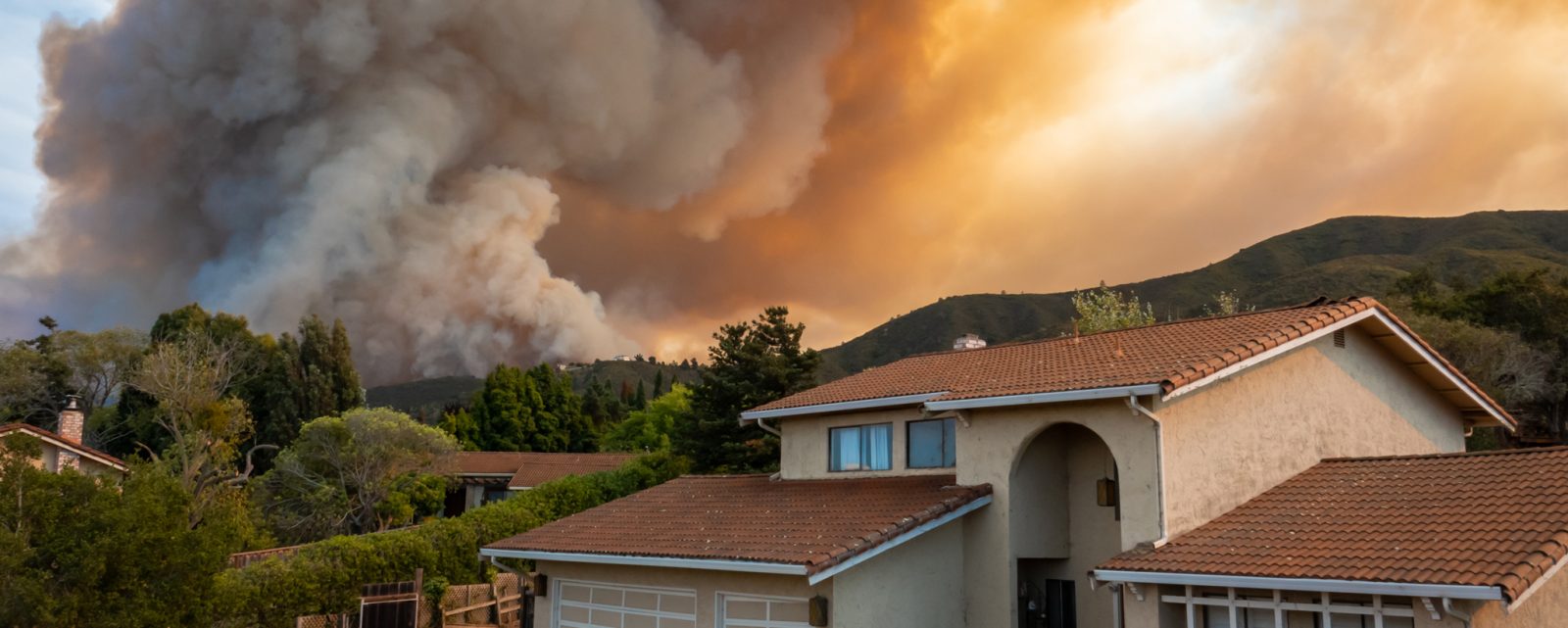
Direct answer: If officials tell you to leave, leave at once. Do not wait to finish packing, and do not wait to watch the fire. Ready.gov, the US government's preparedness site, says it plainly: evacuate immediately if authorities tell you to do so. CAL FIRE, California's fire agency, goes further — do not wait for a mandatory order if you feel at risk, because in a big wildfire there is no time for door-to-door warnings. Everything below is decided before the fire comes.
Know your zone and your routes before fire season
A wildfire evacuation is decided in minutes, so the decisions have to be made in advance. Ready.gov tells households to learn their evacuation zone, learn the evacuation routes, practise them with pets, and decide where they will go. CAL FIRE says the same in its Go Evacuation Guide: know your community's emergency plan, its evacuation routes and its destinations, and review your evacuation plan often. Keep several ways of receiving alerts — the FEMA app, local community alerts, and the Emergency Alert System and Wireless Emergency Alerts, which need no sign-up.
The go bag: pack it now, keep it by the door
The go bag is the difference between leaving in five minutes and leaving in an hour. Ready.gov says to keep enough supplies for your household in a go bag or in the car boot, including a first aid kit. CAL FIRE's list is short and practical: water, snacks, a first aid kit, and the papers you need. Add an N95 mask to protect yourself from smoke, a charged mobile phone and a backup charger, prescription medicines, and copies of your insurance policies and ID kept safe. Keep the bag in the car when fire weather is forecast, keep at least half a tank of fuel in the vehicle, and learn how to open the garage door and gates by hand — power cuts are common when wildfires strike and electric doors will not open without it.
If you have a few minutes before you leave
If there is time, a few minutes of work can give your house its best chance of surviving. Inside, CAL FIRE says to close all windows and doors but leave them unlocked, take down flammable window treatments, close metal shutters,turn off the gas at the meter and the pilot lights, leave the lights on so firefighters can see the house in smoke, and switch off the air conditioning. Outside, bring in flammable items such as patio furniture and trash bins, shut off propane tanks, move grills away from the house, and attach garden hoses to outside taps for firefighter use. Do not leave sprinklers or water running — it can lower the water pressure firefighters depend on. Park the car in the driveway facing outwards, loaded and ready, with all doors and windows shut.
On the road out
Follow the route officials give you, not the one that looks shortest. Fire officials decide when and where to evacuate based on the fire, the wind and the terrain, and the police enforce evacuation orders — follow their directions right away. Listen to local radio or television for updates, and be ready to be directed to a temporary assembly area. Remember that traffic lights may be dead and petrol stations may be closed, which is another reason to keep the tank at least half full. In Britain, the same rule applies in an emergency: call 999 if you or someone else is in immediate danger. Do not return home until fire officials say it is safe: Ready.gov warns the ground can hold heat pockets that burn you or spark another fire.
If you are trapped
Sometimes the fire moves faster than the road. If you are trapped, call 911 and give your location — Ready.gov warns that emergency response could be delayed or impossible, so turn on lights to help rescuers find you. If you are in a car, CAL FIRE's advice is to stay calm, park in an area clear of vegetation, close all windows and vents, cover up with a wool blanket or jacket, lie on the vehicle floor, and call 911. If you are on foot, move to a clear area such as a ditch, lie face down and cover your body, and call 911. If you are inside a building, fill sinks and tubs with cold water, keep doors and windows closed but unlocked, and stay inside, away from outside walls.
When the power goes out first
Wildfires often cut the power before they reach the house. Sometimes the power company cuts it on purpose: a public safety power shutoff is when electric companies turn off power during very dry and windy weather to stop sparks from power lines starting a fire. keep a battery-powered radio and flashlights with extra batteries, keep the fridge and freezer shut to preserve food, and keep shoes near your bed in case you need to evacuate during the night. When you do get home, document property damage with photographs and contact your insurance company.
Related pages on this site: After a Wildfire, the Next Rain Can Bring Mudslides, and our Wildfire Smoke Safety guide, plus US weather alerts by state for the warnings in force now.
Frequently asked questions
When should I evacuate during a wildfire?
Leave immediately when officials tell you to go. CAL FIRE says not to wait for a mandatory order if you feel at risk, because in a big wildfire there is no time for door-to-door warnings — leaving early also keeps roads clear for firefighters.
What should be in a wildfire go bag?
Water, snacks, a first aid kit and your important papers, plus an N95 mask for smoke, a charged phone and backup charger, prescription medicines, and copies of insurance policies and ID. Keep the bag in the car when fire weather is forecast so you can leave in minutes.
What should I do to my house before evacuating?
Close windows and doors but leave them unlocked, take down flammable curtains, turn off the gas at the meter, leave the lights on, switch off the air conditioning, bring in patio furniture and bins, shut off propane, attach garden hoses, and park the car facing outwards, loaded and ready.
What should I do if I am trapped in my car during a wildfire?
Stay calm, park in an area clear of vegetation, close all windows and vents, cover yourself with a wool blanket or jacket, lie on the vehicle floor, and call 911. Do not try to drive through heavy smoke or flame.
Sources
- Ready.gov - Wildfires
- CAL FIRE Ready for Wildfire - Go Evacuation Guide
- GOV.UK - Be Ready (Preparing for emergencies)
About the author
WND Editorial Team — The World Natural Disasters editorial team curates disaster information from official scientific and humanitarian sources, reviews safety guidance against public-agency recommendations, and maintains the historical database.
Written and reviewed under our editorial policy. Factual claims cite the sources listed above.
Found an error? See our corrections policy.