Build a 72-Hour Emergency Kit: What to Pack for Any Disaster
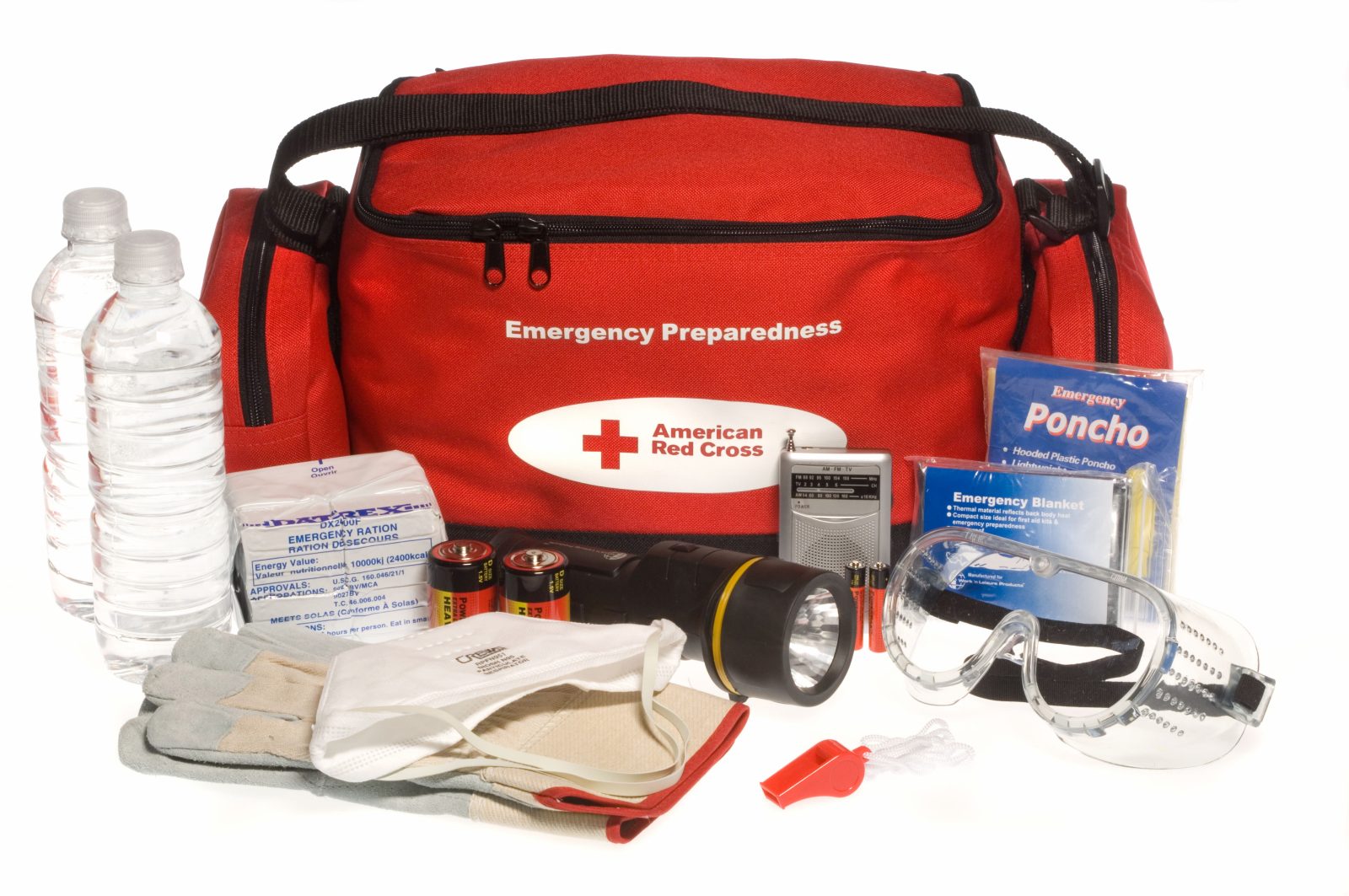
Direct answer: After an emergency, you may need to survive on your own for several days. That is Ready.gov's starting point: being prepared means having your own food, water and other supplies to last for several days, because help may not reach you at once. The British government's Be Ready campaign makes the same point in its own terms — being ready for three days helps you manage while support reaches those in need. A disaster supplies kit is simply a collection of the basic items your household may need, packed in one or two easy-to-carry containers such as plastic bins or a duffel bag, and kept where everyone in the family knows to find it.
Water and food first
Water comes first because you need more of it than you think. Ready.gov says to store one gallon of water per person per day for several days, for drinking and sanitation. The American Red Cross puts it in days instead of gallons: a three-day supply of water and food for evacuation, and a two-week supply for home. Food should be a several-day supply of non-perishable, easy-to-prepare items, with a manual can opener — Ready.gov lists the opener separately because an electric one is useless in a power cut. Store boxed food in tightly closed plastic or metal containers, and canned food in a cool, dry place. If you have a baby, add infant formula, bottles, diapers, wipes and diaper rash cream; if you have a pet, add pet food and extra water for the animal.
The basic kit, item by item
Ready.gov's basic list is short enough to shop for in one trip. A battery-powered or hand-crank radio, and a NOAA Weather Radio with tone alert if you can get one. A flashlight. A first aid kit. Extra batteries. A whistle to signal for help. A dust mask to help filter contaminated air. Plastic sheeting, scissors and duct tape, for sheltering in place. Moist towelettes, garbage bags and plastic ties for personal sanitation. A wrench or pliers to turn off utilities. Local maps — paper ones, because a dead phone has no map. And a mobile phone with chargers and a backup battery. The Red Cross adds a multi-purpose tool, a seven-day supply of medications and medical items, copies of personal documents — medication list, proof of address, deed or lease, passports, birth certificates and insurance policies — family and emergency contact information, extra cash, an emergency blanket, and maps of the area.
The extras people forget
The basic list keeps you alive; the extras keep you functioning. Ready.gov's additional list starts with medicines: about half of all Americans take a prescription medicine every day, and an emergency can make it difficult to refill a prescription or find an open pharmacy, so organise and protect your prescriptions, over-the-counter drugs and vitamins. Add prescription eyeglasses and contact lens solution, and hearing aids with extra batteries. A sleeping bag or warm blanket for each person, a complete change of clothing appropriate for your climate, and sturdy shoes. A fire extinguisher. Matches in a waterproof container. Feminine supplies and personal hygiene items. Mess kits, paper cups, plates, paper towels and plastic utensils. Paper and pencil. Books, games, puzzles or other activities for children. The Red Cross adds two-way radios, an extra set of car keys and house keys, and — depending on the disasters common where you live — an N95 or surgical mask, rain gear, work gloves and household liquid bleach. Keep important family documents such as copies of insurance policies, identification and bank account records saved electronically or in a waterproof, portable container.
Three kits, not one
You do not know where you will be when an emergency happens, so Ready.gov says to prepare supplies for home, work and the car. The home kit lives in a designated place, ready in case you have to leave quickly, and every family member should know where it is kept. The work kit should let you shelter at work for at least 24 hours: food, water, medicines and comfortable walking shoes, stored in a grab-and-go case. The car kit covers the day you are stranded — food, water, a blanket, a torch and a phone charger, on top of the winter kit if you drive in snow country.
Keep it ready
A kit that is out of date is almost as bad as no kit. Ready.gov says to replace expired items as needed and to re-think your needs every year, updating the kit as your family's needs change — a baby becomes a toddler, a prescription changes, a parent moves in. Check the batteries, check the food dates, and check that the documents are still current. In Britain, the Be Ready campaign offers a printable checklist, and people who need extra help during outages can sign up to the Priority Services Register for support. The habit is the point: a kit you check once a year is a kit you can trust on the worst day of the year.
Related pages on this site: Make a Family Emergency Plan Before Disaster Strikes, our Winter Car Emergency Kit, and Power Outage Safety.
Frequently asked questions
How much water should I store in an emergency kit?
Ready.gov says one gallon of water per person per day for several days, for drinking and sanitation. The American Red Cross recommends a three-day supply for evacuation and a two-week supply at home.
How long should my emergency supplies last?
Plan for several days on your own. Ready.gov says to have food, water and supplies to last for several days, and the UK's Be Ready campaign says being ready for three days helps you manage while support reaches those in need.
Where should I keep my emergency kit?
Keep one kit at home in a designated place everyone knows, a smaller grab-and-go kit at work with enough to shelter for at least 24 hours, and emergency supplies in the car in case you are stranded.
How often should I check my emergency kit?
Replace expired items as needed and re-think your needs every year, updating the kit as your family's needs change — Ready.gov's rule is to check food dates, batteries and documents at least once a year.
Sources
- Ready.gov - Build A Kit
- American Red Cross - What Do You Need In a Survival Kit
- GOV.UK - Be Ready (Preparing for emergencies)
About the author
WND Editorial Team — The World Natural Disasters editorial team curates disaster information from official scientific and humanitarian sources, reviews safety guidance against public-agency recommendations, and maintains the historical database.
Written and reviewed under our editorial policy. Factual claims cite the sources listed above.
Found an error? See our corrections policy.