Hurricane Evacuation: When to Leave and Where to Go
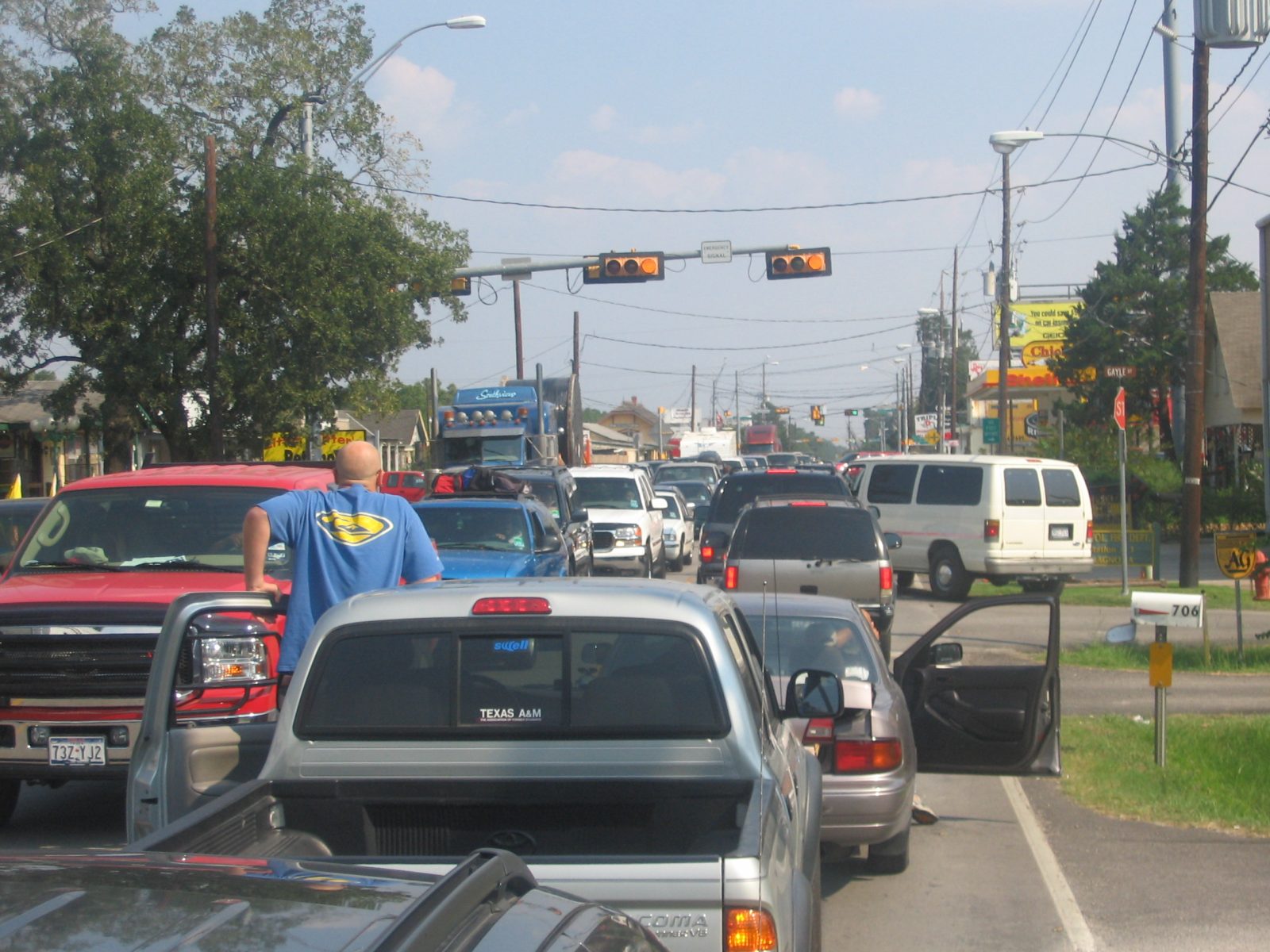
Direct answer: If officials order your hurricane evacuation zone to leave, go at once. The decision that saves lives is made before the season: know your zone, know two routes out, and know where you will stay.
Run from the water, shelter from the wind
What actually kills people in hurricanes is water, not the wind on the television pictures. Ready.gov states that storm surge is historically the leading cause of hurricane-related deaths in the United States, and the National Weather Service puts a number on it: water accounts for 90 percent of direct deaths from tropical systems, from storm surge and flooding rain. That is why evacuation is a decision about water, not wind. The Saffir-Simpson scale is a wind scale only — it says nothing about rain or surge — so a Category 1 storm can still kill with water, as Hurricane Florence showed. Mobile homes are especially vulnerable to wind, and basements to surge and flooding, the National Weather Service warns — if you live in either, your plan should assume you leave.
Know your zone before the season
The Atlantic hurricane season runs from June 1 to November 30, according to Ready.gov, and the best time to prepare is before it begins. The single most useful thing you can do is find out whether you live in an evacuation zone. Zones are drawn by your county or state emergency management office, based on storm-surge risk, and are usually lettered: the National Weather Service explains that areas in Zone A are typically evacuated first, followed by Zone B. Look yours up on your county emergency management website, write the letter down, and learn the evacuation routes for it. Evacuation orders are announced by zone, not by street — and visitors to the Gulf or East Coast should check the zone for where they are staying the same way. The National Hurricane Center's forecasts at nhc.noaa.gov are the official source for where a storm is going; the evacuation order itself always comes from local officials.
The clock: watch, warning, and when to move
A hurricane gives you something most disasters do not: days of warning. Use the early ones. A Hurricane Watch means hurricane conditions — sustained winds of 74 mph or more — are possible within 48 hours; a Warning means they are expected, issued 36 hours before tropical-storm-force winds. A Storm Surge Watch means life-threatening inundation is possible, generally within 48 hours; a Warning means it is expected within 36. An Extreme Wind Warning means winds of 115 mph or more are imminent — take shelter at once in an interior part of a well-built structure.
Treat the watch as your cue to finish preparing: fuel every vehicle, stock up on food, water and medication, charge phones, and bring in anything outside that could become airborne. If officials order your zone to evacuate, Ready.gov is blunt: do so immediately — roads flood, fuel runs out, and evacuation traffic can become severe while the storm is still hours away.
On the way out, never drive through floodwater. Ready.gov warns that just six inches of fast-moving water can knock you down, and one foot of moving water can sweep your vehicle away. If you are trapped by flooding, go to the highest level of the building — but do not climb into a closed attic, where rising water can trap you.
Where to go, and what to take
You do not need to travel hundreds of miles: the National Weather Service advises a friend or relative who lives in a well-built home outside flood-prone areas as your destination. Plan several routes there, and be sure to account for your pets. If you do not have a vehicle, check with local officials about transportation options. A hotel outside the zone and a public shelter are the other options — decide which one is yours before the season, not while a warning is in force.
Pack a go-bag for each person and keep it ready from June through November: the National Weather Service advises enough non-perishable food, water and medicine to last each person a minimum of three days, and a longer water supply if possible — electricity and water could be out for weeks. Ready.gov adds disinfectant supplies and pet supplies, and warns you may not have access to supplies for days or even weeks after a hurricane. Take copies of important documents, keep them in a secure password-protected digital space, and keep your phone charged with a backup charger.
Do not forget the paperwork
Call your insurer before the season for a check-up: home and renters insurance does not cover flooding — you need a separate flood policy, and flood insurance requires a 30-day waiting period. Photograph your possessions, inside and out, with serial numbers where they exist. After the storm, do not return home until local officials say it is safe, stay out of floodwater, and do not touch electrical equipment if it is wet or if you are standing in water.
Related pages on this site: Hurricane Safety, Storm Surge Safety, Wildfire Evacuation: When to Leave and What to Take, Build a 72-Hour Emergency Kit: What to Pack for Any Disaster, Turn Around, Don't Drown: Never Drive Through Floodwater, and Tropical Outlook.
Frequently asked questions
How do I find out if I live in a hurricane evacuation zone?
Look it up on your county or state emergency management website — zones are set by local officials, based on storm-surge risk, and are usually lettered, with Zone A the most vulnerable and the first to be evacuated. Ready.gov advises learning your evacuation routes, practising them with your household and pets, and deciding in advance where you will stay.
When should I leave for a hurricane?
As soon as officials order your zone to evacuate — Ready.gov says to do so immediately. Use the watch, issued 48 hours before tropical-storm-force winds, to finish preparing and fuel up, so that when the warning comes 36 hours out, you are ready to go rather than starting to pack.
What should I take when I evacuate?
One go-bag per person: at least three days of non-perishable food, water and medicine, prescriptions, copies of important documents, phone chargers, cash, and supplies for your pets. The National Weather Service advises storing a longer water supply if possible, because electricity and water can be out for weeks.
I live far from the coast. Do I need an evacuation plan?
Yes — hurricanes are not just a coastal problem. Ready.gov warns that rain, wind, water and even tornadoes can reach far inland, and the National Weather Service notes that water accounts for 90 percent of direct deaths from tropical systems. Find out whether you live in a flood-prone area or an evacuation zone, and plan accordingly.
Sources
- Ready.gov - Hurricanes
- National Weather Service - Hurricane Preparedness Week
- National Hurricane Center
About the author
WND Editorial Team — The World Natural Disasters editorial team curates disaster information from official scientific and humanitarian sources, reviews safety guidance against public-agency recommendations, and maintains the historical database.
Written and reviewed under our editorial policy. Factual claims cite the sources listed above.
Found an error? See our corrections policy.