Winter Car Emergency Kit: What to Keep in Your Car
Direct answer: A winter car emergency kit is the set of supplies that keeps you warm, visible and able to get moving again if your car gets stuck in snow or cold. Pack it before the first storm, keep it in the trunk all winter, and check it every six months, replacing anything expired. The core of the kit is simple: blankets, extra warm clothing, food and water, a flashlight, a phone charger, a first aid kit, a shovel, an ice scraper and brush, sand or cat litter for traction, jumper cables and something to signal for help. If you are stranded, stay with your car, keep the exhaust pipe clear of snow, and run the engine about 10 minutes each hour for heat, with a window opened slightly for fresh air.
Warmth, food and water first
Warmth is the kit's most important job, because a stranded car cools fast and help can take hours to reach you. The National Weather Service winter survival kit includes blankets or sleeping bags and extra clothing to keep dry, and the National Highway Traffic Safety Administration (NHTSA) lists blankets for cold protection, bottled water and non-perishable food. Ready.gov adds the same basics: blankets, food and water and a first aid kit in the car. Pack high-calorie, non-perishable food, a water container, and extra hats, gloves and clothing for every person who usually travels with you. The National Weather Service also lists a small can and waterproof matches to melt snow for drinking water, a useful backup if your water runs out, along with a knife and a tool kit for small jobs.
Traction, tools and light
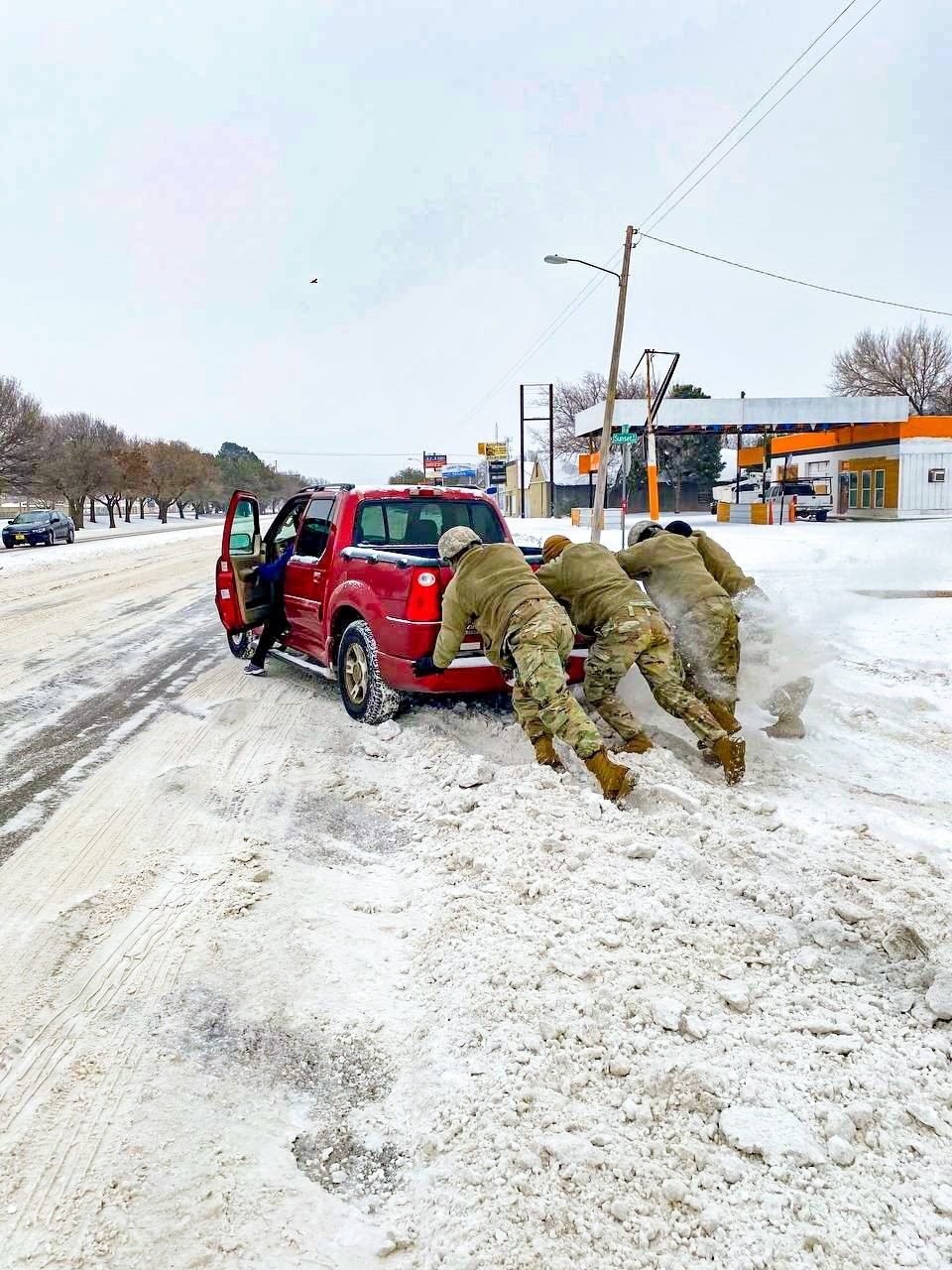
The second job of the kit is getting you unstuck or, failing that, making sure you can wait safely. NHTSA lists a snow shovel, broom and ice scraper, abrasive material like sand or kitty litter in case your vehicle gets stuck, jumper cables, a flashlight and warning devices such as flares or emergency markers. The National Weather Service list adds a tow rope, booster cables, a windshield scraper and brush, and a compass and road maps, which still matter when a phone battery dies or there is no signal. Keep a cell phone and a car charger in the kit, and consider a portable battery pack as well. A first aid kit, including any necessary personal medicines, completes the list. Before winter sets in, have the car itself checked too: the National Weather Service advises checking tires, brakes, battery, lights, windshield wipers, windshield fluid and antifreeze now, before winter sets in, and Ready.gov adds servicing the radiator and maintaining the antifreeze level.
Keep the tank full and tell someone your plans
Keep your gas tank near full. The National Weather Service gives two reasons: a full tank helps avoid ice in the tank and fuel lines, and it gives you fuel to run the heater if you are stranded. Ready.gov puts it the same way: keep your gas tank as full as you can, because a full tank will also keep the fuel line from freezing. Try not to travel alone in winter weather, and let someone know your timetable and your primary and alternate routes before you leave. That one habit turns a missing driver into a search with a starting point and a destination, instead of a guess. Before any winter trip, check current weather alerts and review our cold safety guidance.
If you get stranded
Stay with your vehicle. The National Weather Service warns that if you leave your vehicle you can quickly become disoriented in wind-driven snow, and a car is far easier for rescuers to find than a person on foot. Do not try to walk out of a blizzard: you can easily lose your sense of direction. Run the motor about 10 minutes each hour for heat, open a window a little while it runs, and clear snow from the exhaust pipe so carbon monoxide cannot build up. Turn on the dome light at night while the engine runs, tie a bright cloth to the antenna or door, and raise the hood once the snow stops to show you need help. Move your arms, legs, toes and fingers from time to time to keep blood flowing, and conserve your phone battery for calls for help. If you feel headache, dizziness or confusion while the engine is running, switch it off, get fresh air and call for emergency help at once.
Frequently asked questions
What are the must-have items in a winter car kit?
Blankets or a sleeping bag, extra warm clothing, food and water, a flashlight, a phone charger, a first aid kit, a shovel, an ice scraper and brush, sand or cat litter, jumper cables and something to signal for help.
How often should I check the kit?
Ready.gov advises checking every vehicle's emergency supply kit every six months and replacing expired items regularly. Check it again before the first winter storm.
Why keep the gas tank full in winter?
A near-full tank helps avoid ice in the tank and fuel lines, and it gives you fuel to run the heater if you are stranded.
What do I do if I get stranded?
Stay with your car, clear snow from the exhaust pipe, run the engine about 10 minutes each hour with a window opened slightly, turn on the dome light at night, and tie a bright cloth to the antenna or door.
Sources
- NHTSA - Winter Driving Tips
- Ready.gov - #WinterReady
- National Weather Service - Winter Weather Safety
- National Weather Service Denver/Boulder - Winter Travel Safety
About the author
WND Editorial Team — The World Natural Disasters editorial team curates disaster information from official scientific and humanitarian sources, reviews safety guidance against public-agency recommendations, and maintains the historical database.
Written and reviewed under our editorial policy. Factual claims cite the sources listed above.
Found an error? See our corrections policy.