Power Outage Safety: Stay Warm and Safe When the Lights Go Out
Direct answer: When the power goes out, stay calm, keep refrigerator and freezer doors closed, and use flashlights instead of candles. Never run a generator indoors or use a gas stove to heat your home, because both can fill the house with odorless, deadly carbon monoxide. A few preparations made before the outage, a charged phone, a battery radio and enough food and water, make the hours without power far safer.
What an outage takes with it
A power outage may disrupt communications, water and transportation, close retail businesses, grocery stores, gas stations, ATMs and banks, cause food spoilage and water contamination, and prevent the use of medical devices, according to Ready.gov. That is why the preparation matters as much as the response: take an inventory of everything in your home that relies on electricity, plan for batteries and alternative power sources such as a portable charger or power bank, and keep a flashlight for every household member.
Build a basic emergency kit before you need it. Ready.gov lists water, one gallon per person per day for several days, for drinking and sanitation, at least a several-day supply of non-perishable food, a battery-powered or hand-crank radio and a NOAA Weather Radio with tone alert, a flashlight, a first aid kit, extra batteries, a whistle, a dust mask, plastic sheeting, scissors and duct tape, moist towelettes, garbage bags and plastic ties, a wrench or pliers, a manual can opener, local maps, and a cell phone with chargers and a backup battery.
During the outage: food, heat and light
Keep freezers and refrigerators closed. The refrigerator will keep food cold for about four hours, and a full freezer will keep its temperature for about 48 hours. Use coolers with ice if necessary, monitor temperatures with a thermometer, and throw out food if the temperature is 40 degrees or higher. If heat or cold is extreme, go to a community location with power, and check with local officials about heating and cooling locations open near you. For the cold-weather side of the plan, see our severe cold and winter storm safety guide, and check weather alerts for warnings in your area.
Never use a gas stovetop or oven to heat your home. It increases the risk of carbon monoxide poisoning, and can also cause fires, burns and appliance damage. Use battery-powered lights instead of candles where you can, and find out whether your home phone will work in a power outage and how long its battery backup will last.
Generator safety: outdoors, 20 feet away
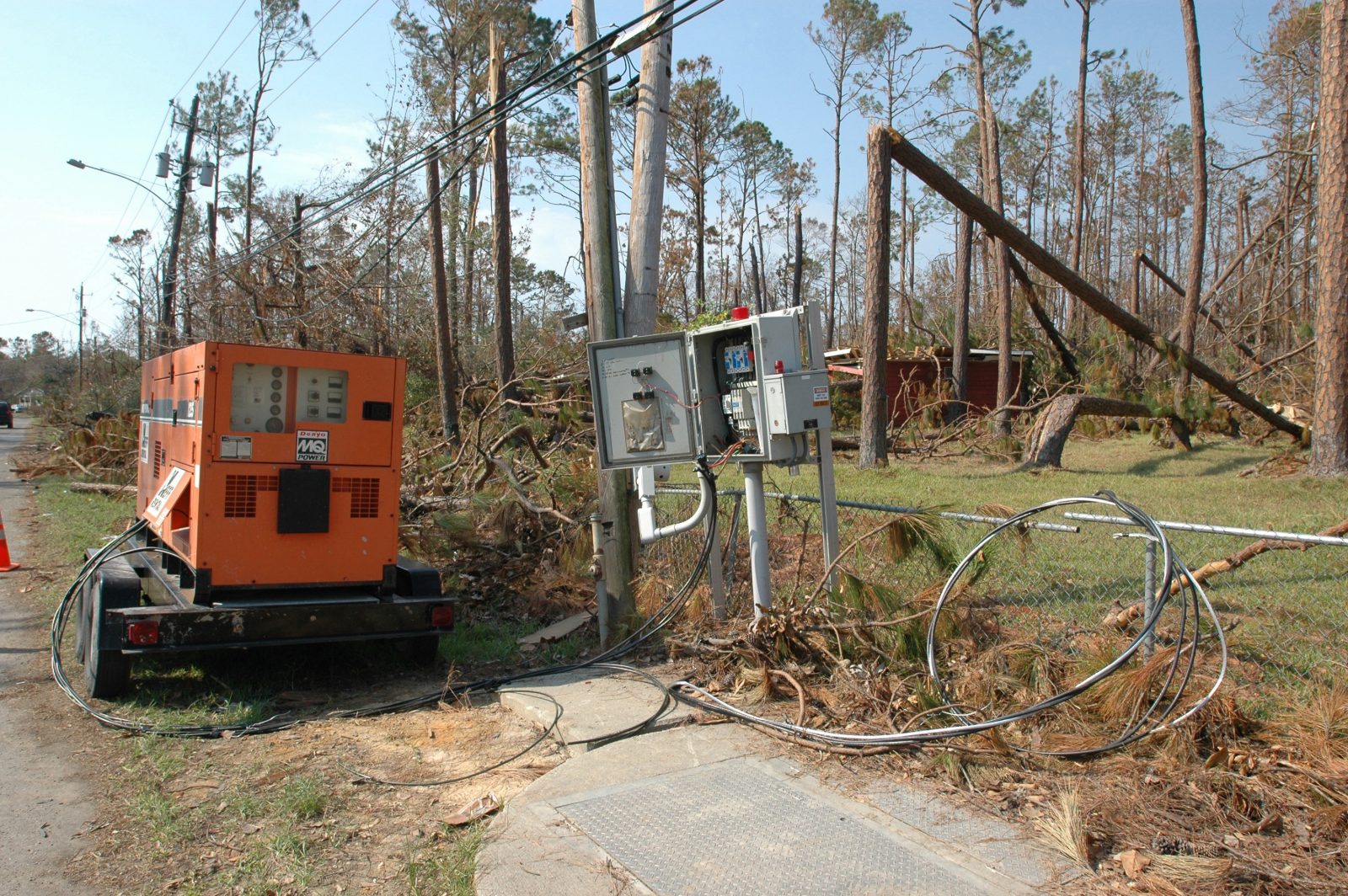
Generators and fuel should always be used outdoors and at least 20 feet away from windows, doors and attached garages. Install working carbon monoxide detectors with battery backup on every level of your home. Keep the generator dry and protected from rain or flooding, because touching a wet generator or connected devices can cause electrical shock. Always connect the generator to appliances with heavy-duty extension cords, let the generator cool before refueling, since fuel spilled on hot engine parts can ignite, and follow the manufacturer's instructions carefully. Turn off or disconnect appliances, equipment and electronics during the outage, because power may return with momentary surges or spikes that can cause damage.
Medical needs and the return of power
Talk to your medical provider about a power outage plan for medical devices powered by electricity and refrigerated medicines, including how long medication can be stored at higher temperatures, and have alternate plans for refrigerating medicines or using power-dependent medical devices.
When power returns, follow the rule Ready.gov states plainly: when in doubt, throw it out. Throw away any food exposed to temperatures of 40 degrees or higher for two hours or more, or that has an unusual odor, color or texture. If the power is out for more than a day, discard any medication that should be refrigerated, unless the drug's label says otherwise, and consult a doctor or pharmacist immediately for a new supply.
Frequently asked questions
How long will food stay safe without power?
A refrigerator keeps food cold for about four hours if the door stays closed, and a full freezer for about 48 hours. Throw out food if its temperature is 40 degrees or higher, or if it has been above 40 degrees for two hours or more.
Can I heat my home with the gas stove during an outage?
No. Ready.gov warns that a gas stovetop or oven must never be used to heat the home: it increases the risk of carbon monoxide poisoning, and can cause fires, burns and appliance damage.
How far from the house must a generator be?
At least 20 feet away from windows, doors and attached garages, always outdoors, with the exhaust pointing away from the home. Install working carbon monoxide detectors with battery backup on every level of your home.
What if I depend on a medical device or refrigerated medicine?
Talk to your medical provider in advance about a power outage plan, including how long your medicine can be stored at higher temperatures. If the power is out for more than a day, discard refrigerated medicine unless its label says otherwise, and consult a doctor or pharmacist for a new supply.
Sources
About the author
WND Editorial Team — The World Natural Disasters editorial team curates disaster information from official scientific and humanitarian sources, reviews safety guidance against public-agency recommendations, and maintains the historical database.
Written and reviewed under our editorial policy. Factual claims cite the sources listed above.
Found an error? See our corrections policy.