How Snow Forms: From Cloud to Snowflake
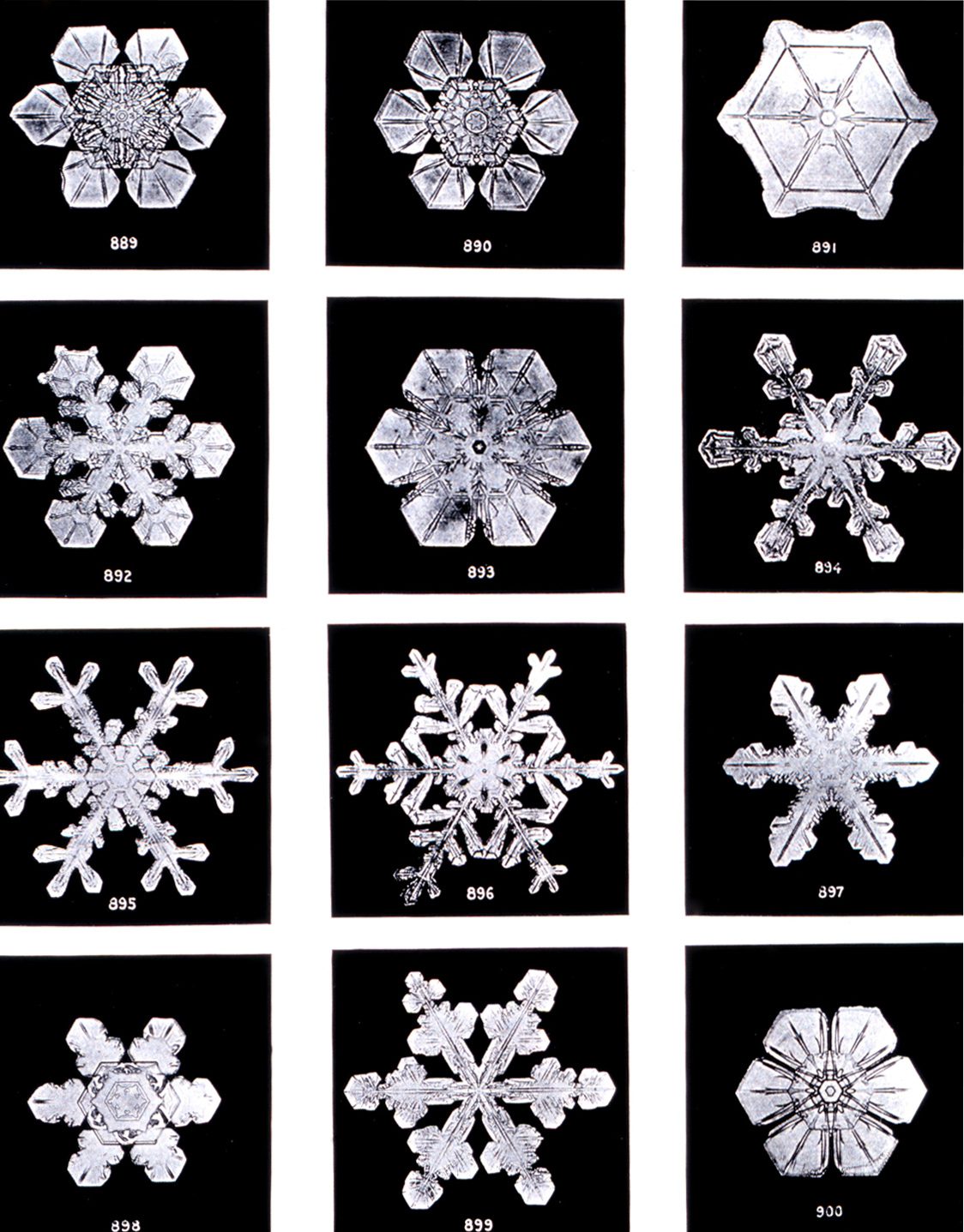
Direct answer: Snow is not a frozen raindrop. It is born inside a cloud, where water vapor turns directly into ice and grows, crystal by crystal, into a snowflake. Snow needs three things: moisture in the air, something to lift that air so it cools, and temperatures below freezing — in the cloud and all the way to the ground.
The three ingredients
Every snowfall starts with moisture. NOAA's JetStream explains that the main moisture sources for the United States are the Atlantic and Pacific Oceans and the Gulf of Mexico, and winds around high- and low-pressure systems carry that moisture inland. Then the air has to rise and cool: it is forced up over mountains, or lifted near fronts and low-pressure areas, and as it rises it cools until its water vapor condenses into cloud. The third ingredient is cold. Snow forms when the temperature in the cloud is below freezing — 0 degrees Celsius, or 32 degrees Fahrenheit — and it only reaches the ground as snow if the air below stays at or below freezing on the way down. If the air near the ground is warm, the flakes melt and fall as rain instead.
How a crystal is born
Inside a cold cloud, a snowflake begins when an extremely cold water droplet freezes onto a tiny particle — a speck of pollen or dust — high in the sky. That frozen droplet is the first ice crystal. Then the ice crystal process takes over: in a cloud that holds both ice crystals and supercooled water droplets, water vapor deposits more easily onto ice than onto liquid drops, so the crystals grow at the expense of the droplets. As NOAA puts it, the vapor freezes onto the primary crystal, building new crystals — the six arms of the snowflake. The crystals keep growing until they are heavy enough to fall, and if the air below stays cold, they reach the ground as snow.
Why six sides
Every snowflake has six-fold symmetry, and the reason is written into the water molecule itself. NOAA explains that the ice crystals are symmetrical because they reflect the internal order of the water molecules as they arrange themselves in predetermined spaces — a process called crystallization — to form a six-sided snowflake. NOAA's NESDIS team describes two ways the vapor can condense. The first is facets: flat faces, like the faces of a prism, that form naturally as a crystal grows, and because the crystal structure of frozen ice is six-sided, the facets are six-sided too. The second is branches: vapor condenses on the first thing it touches, so a small bump on a flake catches more vapor, grows bigger, and becomes a branch — and that is what makes the lacy, tree-like arms. A growing flake can switch back and forth between facets and branches as it falls.
Why no two are alike
The shape a crystal takes depends mostly on the temperature where it forms — and to a lesser extent on the humidity. NOAA notes that long, needle-like crystals form at 23 degrees Fahrenheit, while very flat, plate-like crystals form at 5 degrees Fahrenheit. Because all six arms of one crystal travel through the same air together, they experience the same conditions and grow identically, which is why a single flake looks symmetrical. But no two flakes take the same path: each one drifts through different temperatures and moisture levels on its way down, and even tiny changes alter how the molecules condense. NESDIS puts the odds plainly — two snowflakes would have to experience the exact same conditions all the way down to the microscopic level, which is astronomically unlikely, so you will never find two truly identical flakes.
From crystal to snowfall
One crystal is far too small to see, let alone to fall as snow. What makes a snowfall is a whole cloud of them, growing and falling together — and how much falls depends on how much moisture the storm carries and how long the lift lasts. The same cloud can deliver different precipitation in different places: where the air below is cold, the flakes reach the ground as snow, and where it is warmer, they melt into rain. That is also why a storm can drop snow in one town and freezing rain in the next — the difference is the temperature of the air the precipitation falls through. Read the guide to sleet, freezing rain, and snow to tell them apart, and the guide to how snowfall is measured to see how those totals are counted. Before a storm, check the weather alerts page.
Frequently asked questions
What is a snowflake made of?
A snowflake is made of ice crystals that grew inside a cloud. It begins when an extremely cold water droplet freezes onto a speck of pollen or dust, and water vapor then freezes onto that crystal, building its six arms.
Why do snowflakes have six sides?
Because of the way water molecules arrange themselves when they freeze. The crystal structure of ice is six-sided, so the facets and branches of a snowflake grow in six-fold symmetry.
Why are no two snowflakes exactly alike?
Each flake follows a slightly different path through the cloud, meeting different temperatures and humidity on the way down. Those tiny differences change how it grows, so no two flakes end up identical.
How cold does it have to be for snow?
The temperature in the cloud must be below freezing — 0 degrees Celsius, or 32 degrees Fahrenheit — and the air near the ground must stay at or below freezing too, or the flakes melt into rain on the way down.
Sources
- NOAA - How do snowflakes form? Get the science behind snow
- NOAA JetStream - Precipitation
- NOAA NESDIS - How Do Snowflakes Form?
About the author
WND Editorial Team — The World Natural Disasters editorial team curates disaster information from official scientific and humanitarian sources, reviews safety guidance against public-agency recommendations, and maintains the historical database.
Written and reviewed under our editorial policy. Factual claims cite the sources listed above.
Found an error? See our corrections policy.