Thundersnow: Lightning in a Winter Storm
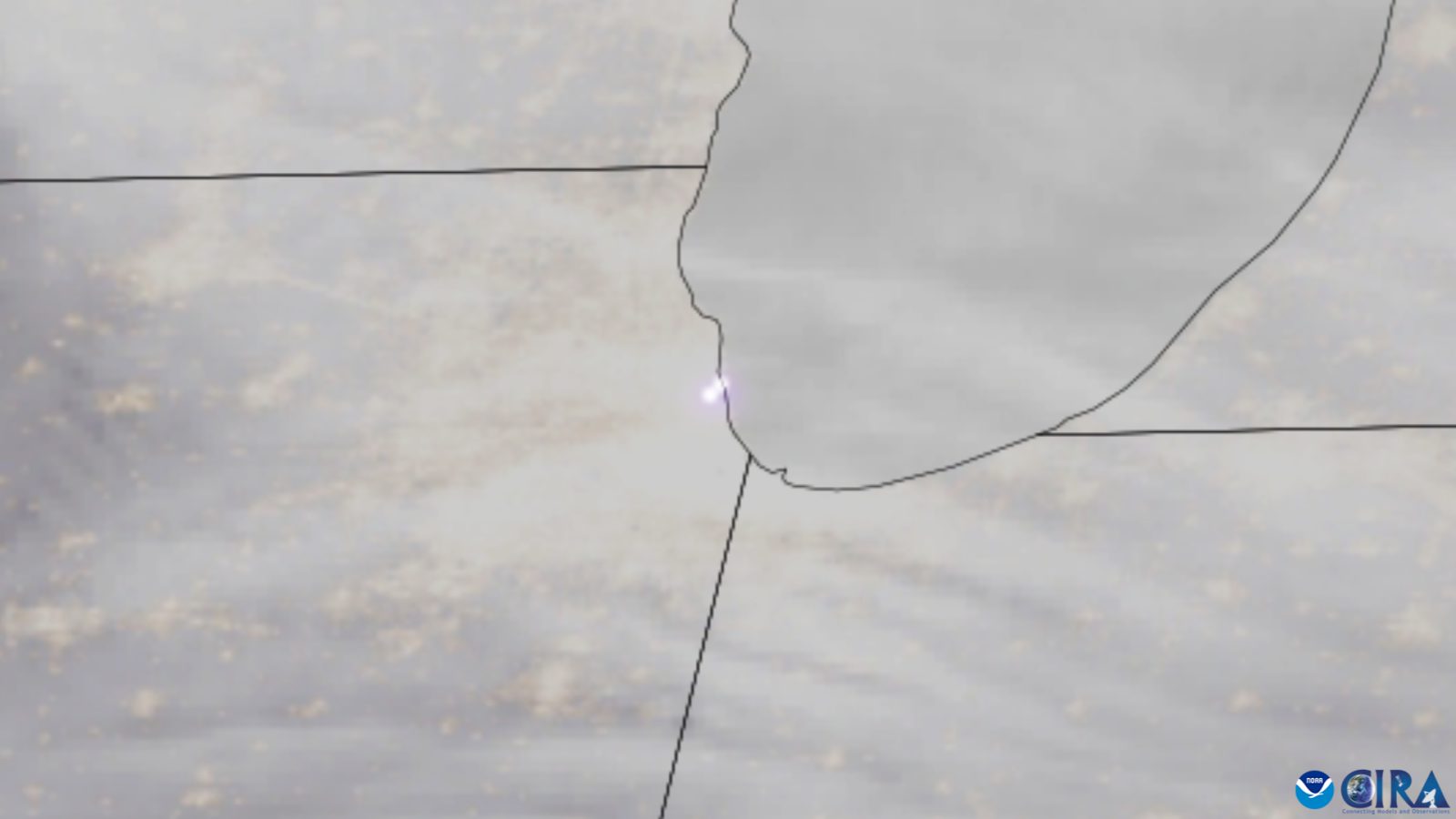
Direct answer: Thundersnow is a thunderstorm that happens during a snowstorm: lightning flashes and thunder rolls while snow falls instead of rain. It is the same phenomenon as a summer thunderstorm, except the precipitation is frozen. It is rare, and it usually shows up inside the heaviest part of a snowstorm, where the snow is falling hardest.
What thundersnow is
Lightning can occur within snowstorms, and when it does, it is called thundersnow. NOAA's National Severe Storms Laboratory says thundersnow is found where there is relatively strong instability and abundant moisture above the surface, such as above a warm front. It is also observed downstream of the Great Salt Lake and the Great Lakes during lake-effect snowstorms, where cold air moving over relatively warm water builds tall, unstable clouds. Lightning itself is a giant spark of electricity in the atmosphere: air acts as an insulator between positive and negative charges in a cloud until the charges build up enough for the air's insulating capacity to break down, and the rapid discharge that follows is lightning. The same process runs in a snowstorm as in a summer storm — the only difference is that the precipitation falling from the cloud is snow.
How a snow cloud makes lightning
A cloud becomes electrified when strong updrafts produce a mixture of larger ice particles called graupel, small ice crystals, and supercooled liquid water drops at temperatures below freezing. When the graupel and the ice crystals collide and rebound, charge is transferred between the particles. The graupel and the crystals gain opposite signs of charge, and because the graupel falls faster in the updraft, the charge regions separate — and that separation is what makes lightning possible. This is the same noninductive charging process that electrifies summer thunderstorms. Thundersnow needs the same ingredients as any thunderstorm: moisture, lift, and instability. In winter, the lift often comes from a warm front, from lake-effect bands, or from a strong winter storm's own circulation pushing air upward fast enough to build a deep, towering cloud.
Why it is so rare
Lightning happens less often in winter because there is not as much instability and moisture in the atmosphere as there is in summer. The deep thunderstorms of summer are 8 to 15 kilometres tall, and they need warm, moist air near the surface to rise and fuel them. In winter the land surface is cooler, there is less heating from the sun, and the near-surface air does not rise very far — so the tall, unstable clouds that make lightning are much harder to build. That is why thundersnow is uncommon even in snowy places: the atmosphere has to arrange strong lift, plenty of moisture, and colder air aloft all at the same time, and winter usually supplies only some of those pieces. When the pieces do line up, thundersnow is a sign that the storm is at its most intense, with the heaviest snow falling where the lightning is.
What it looks and sounds like
Thundersnow looks different from a summer storm. In snowstorms, lightning is often described as pink and green, because the light is scattered by snow and haze on its way to your eyes. The thunder is the same as in any storm: it starts as a shock wave from the explosively expanding lightning channel, when a large current heats the air to above 50,000 degrees Fahrenheit in only a few millionths of a second. Thunder cannot happen without lightning — if you hear thunder during a snowstorm, lightning is there, even if the snow hides the flash. People sometimes call it white lightning, a colloquial term for a thunderstorm occurring with snow. Because the snow is falling so heavily when thundersnow happens, the flash may be the only warning you get before the thunder arrives.
What to do when you hear it
Treat thundersnow exactly like a summer thunderstorm, because it is one. Lightning strikes the United States about 25 million times a year, and it kills about 20 people in the United States each year. If you hear thunder during a snowstorm, go indoors right away — lightning can strike from a storm you think is far away, and some flashes travel several miles from the cloud before angling down to the ground. Stay inside until the storm passes, and do not go back out while you can still hear thunder. A blizzard warning means winds of 35 miles per hour or greater with blowing and drifting snow and visibility of a quarter of a mile or less — in those conditions, seek indoor shelter immediately and stay indoors until the severe conditions end. Before the next storm, check the weather alerts page and the site's cold safety guidance, and read the lightning safety guide so you know the rules before the sky starts flashing.
Frequently asked questions
What is thundersnow?
Thundersnow is lightning and thunder during a snowstorm. It is the same phenomenon as a summer thunderstorm, except the precipitation falling from the cloud is snow instead of rain.
Why is thundersnow rare?
It needs strong instability and abundant moisture above the surface, which winter usually lacks. Deep thunderstorms need warm, moist air near the ground to rise and fuel them, and the winter land surface is too cool to supply it.
Is thundersnow dangerous?
Yes. It is real lightning, and lightning kills about 20 people in the United States each year. It also happens inside the heaviest part of a snowstorm, when blizzard conditions make travel and shelter hard.
What should I do if I hear thunder during a snowstorm?
Go indoors immediately and stay inside until the storm passes. Lightning can strike several miles from its cloud, so do not wait to see a flash — thunder alone is the warning.
Sources
- NOAA National Severe Storms Laboratory - Winter Weather FAQ
- NOAA National Severe Storms Laboratory - Lightning FAQ
- National Weather Service - Lightning Safety Tips and Resources
About the author
WND Editorial Team — The World Natural Disasters editorial team curates disaster information from official scientific and humanitarian sources, reviews safety guidance against public-agency recommendations, and maintains the historical database.
Written and reviewed under our editorial policy. Factual claims cite the sources listed above.
Found an error? See our corrections policy.