Frost Quakes: When Frozen Ground Cracks Like Thunder
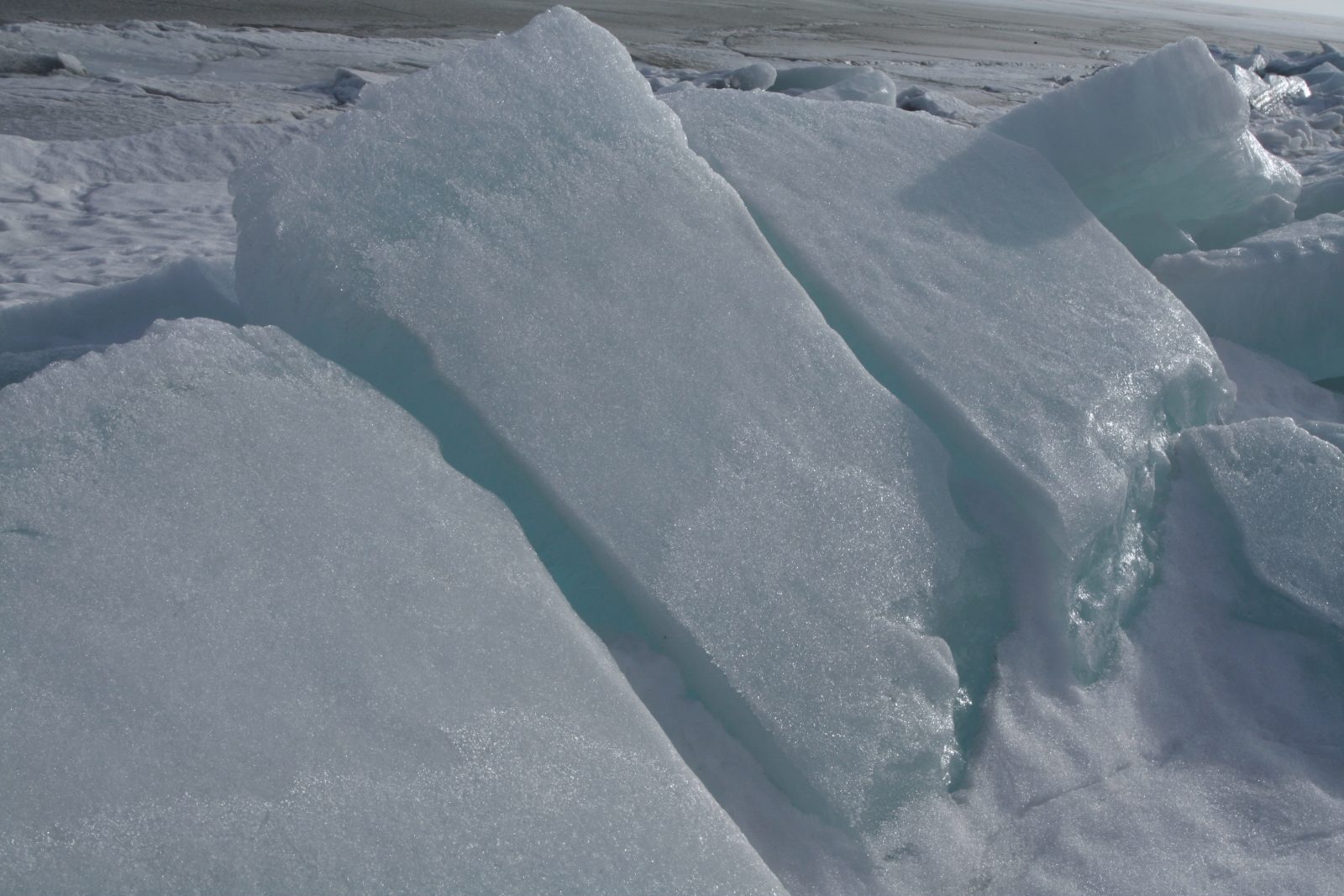
Direct answer: A frost quake, also called a cryoseism, is a loud boom and a jolt of ground shaking caused by frozen ground cracking — not by an earthquake. It happens when saturated ground freezes suddenly and deeply, and the cracking can sound like thunder, an explosion, or something heavy hitting the house. Frost quakes are startling, but they are generally harmless.
How a frost quake forms
A cryoseism is a natural phenomenon that produces ground shaking and noises similar to an earthquake, but it is caused by sudden deep freezing of the ground. It starts with wet ground: rain or melted snow saturates the soil, and then temperatures plunge quickly from above freezing to below zero. The water in the saturated soil freezes and expands, and the pressure builds until the frozen ground cracks — sometimes with a sharp pop, sometimes with a deep boom that shakes the house. The cracks are small, and in a few cases people in the northeastern United States have been able to find a small crack in the ground where a cryoseism happened, where the ground contracted rapidly in the sudden cold and split apart. The recipe is specific: the ground has to be wet first, and then it has to freeze fast.
When and where they happen
Frost quakes typically occur in the first cold snap of the year, when temperatures drop from above freezing to below zero, particularly if there is no snow cover to insulate the ground. Snow is an insulator, so a deep snowpack protects the ground from the sudden freeze — frost quakes are most likely before the snow piles up, or where the snow is thin. They typically occur between midnight and dawn, during the coldest part of the night, and if conditions are right they may come in a series of booms and shakes over a few hours, or even on successive nights. They have been reported from upstate New York, Vermont, Massachusetts, Connecticut, and Maine. In Vermont, a cryoseism in Shelburne in 2016 caused shaking and rumbling enough to alarm residents — and the Vermont Department of Environmental Conservation notes that the state occasionally experiences them, from shallow ground cracking associated with rapid freezing.
Frost quake or earthquake?
The two feel similar at first, but they are very different events. A cryoseism releases very little energy compared with a true earthquake, which is caused by rock breaking deep inside the earth, and its effects are very localized: in contrast to an earthquake, people in houses a few hundred yards away may notice nothing at all. Because a frost quake happens right at the ground surface, it can still jar people awake where it strikes. A real earthquake shakes a wide area and is recorded on seismometers far away; a frost quake is felt in one neighbourhood and fades within a few hundred yards. If the ground shakes and you cannot tell which one it is, do the safe thing: drop, cover, and hold on, as the site's earthquake guide explains, and check for damage once the shaking stops.
Are frost quakes dangerous?
Almost never. Their effects are generally minor: a fright, a rattling dish, a small crack in the ground. The Maine Geological Survey notes that there is not much scientific data about cryoseisms precisely because their effects are so small and so haphazard. The real danger on a frost-quake night is the cold itself — the same deep freeze that cracks the ground can also freeze pipes, strand drivers, and cause frostbite in minutes. If you hear a boom in the middle of a freezing night, it is most likely a frost quake, not an explosion and not an earthquake. Check that nothing in your home has fallen or broken, stay warm, and before the next cold snap, check the weather alerts page and the site's cold safety guidance.
Frequently asked questions
What is a frost quake?
A frost quake, or cryoseism, is ground shaking and a loud boom caused by sudden deep freezing of the ground. Saturated soil freezes and expands until the pressure cracks the frozen ground.
How is a frost quake different from an earthquake?
A frost quake releases very little energy and is very localized — people a few hundred yards away may feel nothing. An earthquake is caused by rock breaking deep underground and shakes a wide area.
When do frost quakes happen?
Usually in the first cold snap of the year, when temperatures drop from above freezing to below zero with little or no snow cover. They typically occur between midnight and dawn, the coldest part of the night.
Are frost quakes dangerous?
Almost never. Their effects are generally minor — a fright, a rattling dish, a small crack in the ground. The real danger that night is the extreme cold itself.
Sources
- Maine Geological Survey - Cryoseisms (or frost quakes) in Maine
- Vermont Department of Environmental Conservation - Recent Earthquakes in Vermont
About the author
WND Editorial Team — The World Natural Disasters editorial team curates disaster information from official scientific and humanitarian sources, reviews safety guidance against public-agency recommendations, and maintains the historical database.
Written and reviewed under our editorial policy. Factual claims cite the sources listed above.
Found an error? See our corrections policy.