Winter Hiking Safety: Plan Ahead and Know When to Turn Back
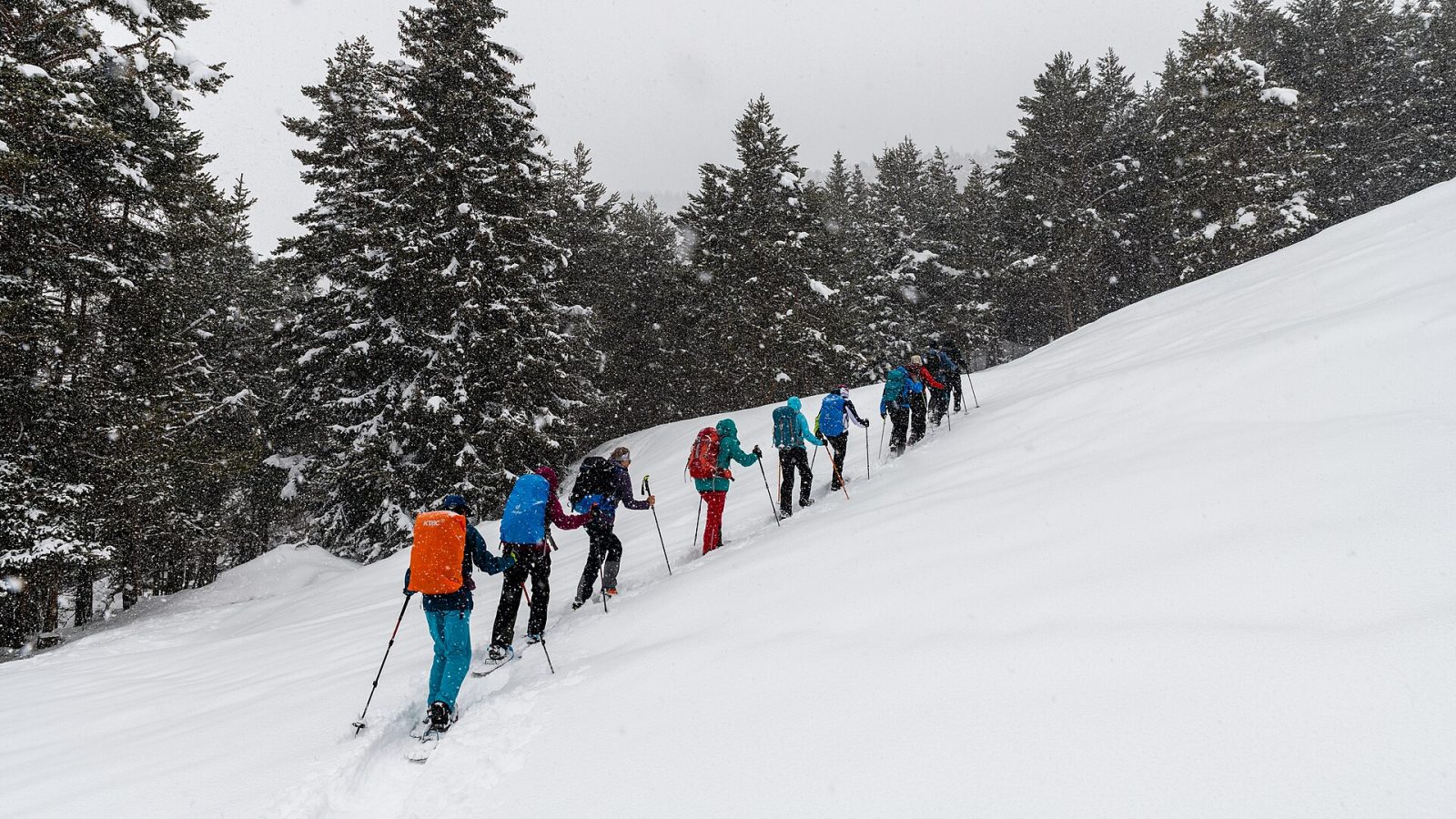
Direct answer: A winter hike is safe only when it is planned like a winter trip, not a summer walk. The National Park Service says your safety is your responsibility in winter, and that you should be prepared for severe and possibly rapid-changing winter weather in a remote area with little cell service, and be prepared to rescue yourself in an emergency. At Grand Canyon National Park, scores of unprepared hikers are hurt or made seriously ill every year, and the park warns that your safety depends on your judgment, your experience and a realistic assessment of your abilities. Check the forecast, check trail conditions, pack for the worst weather you might meet, tell someone your plan, and turn back when conditions or your own energy say so. When in doubt, the Park Service says, wait for a safer day to visit.
Winter changes the trail
Winter weather can be unpredictable, and conditions can change quickly. The National Park Service notes that temperatures are usually 10 to 20 degrees Fahrenheit cooler in mountainous areas than in the lowlands, and what comes down as rain in the valleys below can be ice and snow in the mountains. Trails look different in winter and visibility can be poor if it is windy or snowing. A trail you walked easily in summer may be more difficult in winter, and the Park Service advises choosing an activity based on the skill and ability of the weakest, youngest or least experienced member of your group. The Potomac Heritage trail warns that after a big snowfall and a few days of melting, trails become so well packed and icy that snowshoes are no longer effective for traction. Carry over-the-shoe traction devices, and wear them throughout the trail, especially in parking lots and on paved areas, to avoid injuries from slipping and falling.
What to pack for a winter hike
Pack as if you might have to spend longer out than you planned. The Grand Canyon winter hiking list is a good model: food, especially salty foods, and eat twice as much as normal; a first aid kit; a map; water, plain and some with electrolyte replacement; a pack to carry it all; a flashlight with spare batteries, so you can hike out at night; waterproof boots and gaiters; over-the-shoe traction devices; hiking poles; a whistle or signal mirror for emergency use; and waterproof, warm clothing, a parka, hat and gloves for snow and rain, plus an extra set of dry clothing in case you get wet. Carry an emergency locator device where there is no cell service, and keep an emergency kit in your car too. Dress in waterproof clothing and gear, and choose wool or synthetic material over cotton, because cotton absorbs moisture easily and will not keep you warm if it gets wet. Pack extra layers, wear sun protection such as sunglasses and sunscreen, and remember that at high elevations the sun does not stop because it is winter.
Hypothermia is the quiet danger
Hypothermia is a life-threatening emergency where the body cannot keep itself warm because of exhaustion and exposure to cold, wet, windy weather. The National Park Service warns to beware of it on every winter hike, because untreated hypothermia leads to mental and physical collapse. The signs are uncontrolled shivering, poor muscle control, a careless attitude, confusion and exhaustion even after rest. The Grand Canyon calls them the umbles: stumbling, mumbling, fumbling and grumbling. If someone shows these signs, remove wet clothing and put on dry clothing, give warm sugary liquids, warm the person by body contact with another person, and protect them from wind, rain and cold. If rewarming is unsuccessful, seek help. A temperature below 95 degrees Fahrenheit is a medical emergency, so get medical attention right away. Avoid hypothermia by checking the latest weather and trail conditions before you start, taking layered clothing for cold and wet weather, eating frequently, replacing fluids and electrolytes by drinking before you feel thirsty, and avoiding exposure to wet weather.
Know when to turn back
Have a Plan B, and maybe a Plan C, the Park Service says, and be flexible with your trip plan. Reasons to change plans may include a group member's comfort, changing weather conditions, park closures for safety concerns, or gear that stops working. It is always okay to turn around or delay your adventure to another day. Tell someone who is not in your travel group your plans, your itinerary and any alternate plans, your group members and size, and when you expect to return, and reach out after your trip to let them know you are safe. If you have an emergency and you have cell service, call 911, but do not count on it, because rescue efforts may be delayed and limited by weather, rescuer safety and how urgent the incident is. If conditions worsen while you are hiking, stop, find shelter near you and stay put so you do not become lost. If you are driving in a winter storm, turn on your lights and slow down or pull over if possible. Before your next hike, read the site's cold safety guidance and the frostbite and hypothermia guide, and check the weather alerts page before you head out.
Frequently asked questions
What is the most important rule for winter hiking?
Plan for the worst weather you might meet. The National Park Service says to be prepared for severe and possibly rapid-changing winter weather, with little to no cell service, and to be prepared to rescue yourself in an emergency.
What should I pack for a winter hike?
The Grand Canyon list is food, especially salty foods, a first aid kit, a map, water with electrolyte replacement, a pack, a flashlight with spare batteries, waterproof boots and gaiters, traction devices, hiking poles, a whistle, and waterproof warm clothing plus an extra dry set.
What are the signs of hypothermia on a hike?
Uncontrolled shivering, poor muscle control, a careless attitude, confusion and exhaustion even after rest. The Grand Canyon calls them the umbles: stumbling, mumbling, fumbling and grumbling.
When should I turn back on a winter hike?
When the weather changes, a group member is struggling, gear fails, or you have doubts about your ability. The National Park Service says it is always okay to turn around or delay your adventure to another day.
Sources
- National Park Service - Winter Safety, Lassen Volcanic National Park
- National Park Service - Winter Hiking, Grand Canyon National Park
- National Park Service - Winter Activities, Potomac Heritage National Scenic Trail
About the author
WND Editorial Team — The World Natural Disasters editorial team curates disaster information from official scientific and humanitarian sources, reviews safety guidance against public-agency recommendations, and maintains the historical database.
Written and reviewed under our editorial policy. Factual claims cite the sources listed above.
Found an error? See our corrections policy.