Older Adults and Winter Weather: Staying Safe in the Cold
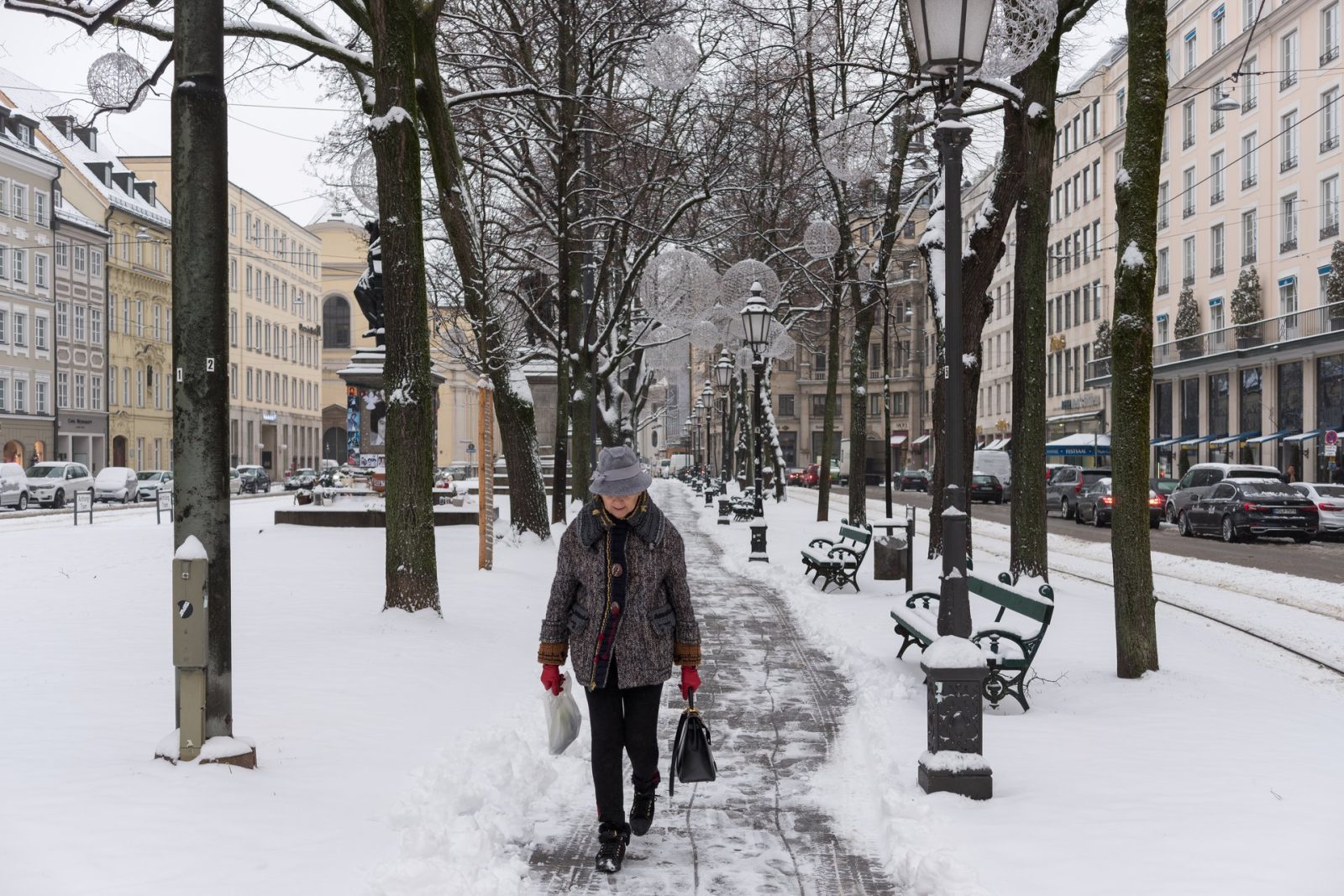
Direct answer: Older adults have a higher chance of being affected by cold weather, and the danger is not only outdoors. The National Institute on Aging says changes that come with aging can make it harder for older adults to be aware that their body is becoming too cold, which can turn into a dangerous health issue quickly. The Centers for Disease Control and Prevention adds that older adults often make less body heat because of a slower metabolism and less physical activity, so the people around them need to check in often.
Why cold hits older adults harder
Several medical conditions make it harder to stay warm. The National Institute on Aging lists diabetes, which can prevent blood from flowing normally to provide warmth, and thyroid problems, which can affect the body's ability to maintain a normal body temperature. Parkinson's disease, arthritis, and memory problems can make it harder to dress warmly or get out of the cold. Some medications can affect body heat too, including prescription medications and those bought over the counter, such as some cold medicines. The Institute advises asking your doctor if medications you take may affect body heat and what you can do about it.
Know hypothermia, and act fast
Hypothermia occurs when the body's core temperature drops below 95 degrees Fahrenheit. The National Institute on Aging warns it can lead to serious health problems, such as irregular heartbeat, heart failure, and damage to the kidneys or liver, and it can also occur at cool temperatures above 40 degrees if you become chilled from rain, sweat, or being in cold water. Early warning signs include cold feet and hands, a puffy or swollen face, pale skin, shivering or shaking, slowed or slurred speech, and feeling sleepy, angry, or confused. Later symptoms can include stiff movements, slow heartbeat or breathing, and loss of consciousness. Hypothermia affects the brain, so people may not realize they need help. Hypothermia is a medical emergency. If someone is showing signs of hypothermia, call 911 right away, try to move the person to a warmer place, offer them a warm drink, and wrap them in dry blankets, towels, or coats. The CDC gives the same emergency line: if a temperature is below 95 degrees, get medical attention immediately. Frostbite is injury to the skin caused by freezing, often the hands, feet, nose, and ears. If you notice redness or pain in any skin area, protect the exposed skin and get out of the cold as quickly as possible.
Staying warm indoors
About 20 percent of injuries related to exposure to cold occur in the home, according to the National Institute on Aging, so the house itself needs attention. Set your heat to at least 68 degrees Fahrenheit. Even mildly cool homes with temperatures from 60 to 65 degrees can lead to hypothermia in older adults. Block drafts with a rolled towel at the door and weather stripping at the windows. Dress warmly indoors, with socks, slippers, and throw blankets, and use extra covers at night. Eat enough to maintain your weight, and avoid or limit alcohol, because it can make you lose body heat. Ask someone to check on you during cold weather. If a power outage leaves you without heat, try to stay with a relative or friend. The CDC adds a simple rule: check on older friends and neighbors often to make sure their homes are heated properly. If paying for heat is hard, the National Energy Assistance Referral can be reached at 866-674-6327 for information about the Low Income Home Energy Assistance Program.
Going outside, and avoiding falls
Check the weather forecast for windy and cold days, because a heavy wind can quickly lower your body temperature, so try to stay inside or in a warm place. If you must go out on windy, cold, or damp days, do not stay outside for long. Let others know when you are planning to spend time outdoors and carry a fully charged mobile phone. Keep warm blankets and extra clothing in your car, wear a hat, scarf, and gloves or mittens, and wear warm, loose layers and a waterproof coat. Change out of damp or wet clothes as soon as you can. Falls are one of the hazards of cold weather the National Institute on Aging names first. To help reduce the risk of falls in icy and snowy weather, keep outside walkways clear of snow and ice with an ice melt product or sand. Avoid shoveling snow yourself when possible, because in addition to the risk of falling, there is a risk of heart attack for older adults while shoveling snow. Use railings to help avoid slipping on icy stairs and walkways, and wear nonskid, rubber-soled, low-heeled footwear. If possible, stay inside when the weather is bad, and use delivery services for prescriptions and groceries so you do not need to go out. Before winter sets in, read the site's cold safety guidance, the guide to dressing for extreme cold, and the frostbite and hypothermia guide, and check the weather alerts page before any trip out.
Frequently asked questions
Why are older adults at greater risk in cold weather?
The National Institute on Aging says changes that come with aging can make it harder for older adults to be aware that their body is becoming too cold, and the CDC says older adults often make less body heat because of a slower metabolism and less physical activity.
How warm should an older adult keep their home in winter?
Set the heat to at least 68 degrees Fahrenheit. The National Institute on Aging says even mildly cool homes with temperatures from 60 to 65 degrees can lead to hypothermia in older adults.
What are the early signs of hypothermia in an older adult?
Cold feet and hands, a puffy or swollen face, pale skin, shivering or shaking, slowed or slurred speech, and feeling sleepy, angry, or confused. Hypothermia is a medical emergency, so call 911 right away.
Should older adults shovel snow themselves?
Avoid shoveling snow yourself when possible. The National Institute on Aging says that in addition to the risk of falling, there is a risk of heart attack for older adults while shoveling snow.
Sources
- National Institute on Aging - Cold Weather Safety for Older Adults
- CDC - Safety Guidelines: During and After a Winter Storm
- Ready.gov - Winter Weather
About the author
WND Editorial Team — The World Natural Disasters editorial team curates disaster information from official scientific and humanitarian sources, reviews safety guidance against public-agency recommendations, and maintains the historical database.
Written and reviewed under our editorial policy. Factual claims cite the sources listed above.
Found an error? See our corrections policy.