Snowmobile Safety: Slow Down, Stay Sober, Stay on the Trail
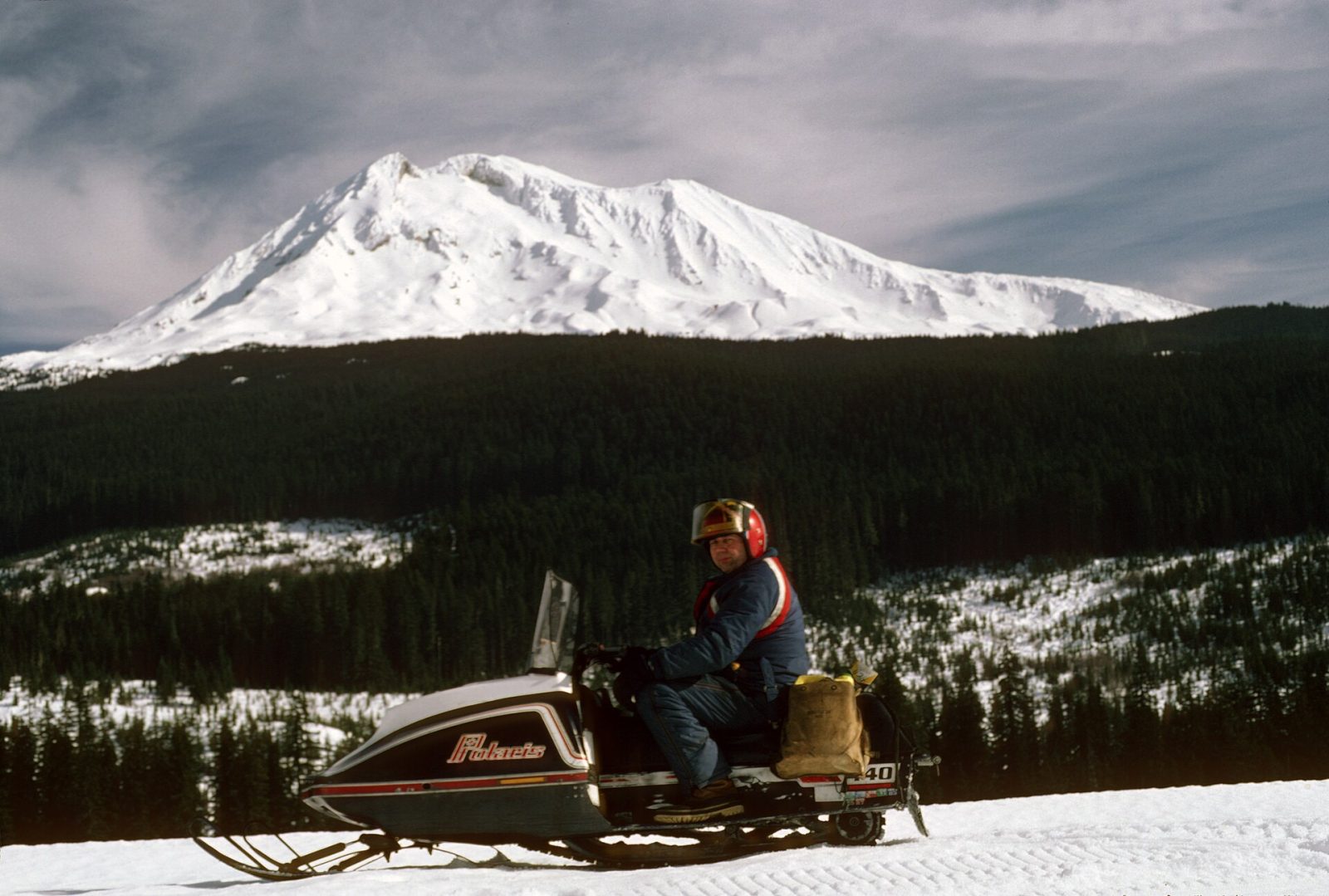
Direct answer: A snowmobile is fast, heavy and hard to stop on snow, so the ride is only safe when the rider slows down, stays sober, stays on a marked trail and never rides alone. The Minnesota Department of Natural Resources gives the same short list every season: check the weather and trail conditions before you leave, wear a quality DOT helmet and facemask, keep your night speed under 40 miles per hour, stay to the far right of the trail and stay off lakes and rivers unless you have no other choice. The Centers for Disease Control and Prevention studied snowmobile deaths in Maine, New Hampshire and Vermont in the winter of 2002 to 2003 and found the same pattern: of 28 deaths, 18 involved excessive speed, and the leading contributors were excessive speed, inattentive or careless operation and inexperience.
Why speed kills on a snowmobile
Excessive speed was a factor in 64 percent of the deaths in the CDC study, and 13 of the 28 deaths, 46 percent, were caused by hitting fixed objects such as trees, rocks and chains across trails. Nine of those 13 happened after sunset. Four deaths, 14 percent, were head-on collisions with other snowmobiles. The Minnesota DNR warns that excessive speed is a major factor in many accidents, especially at night, and tells riders to keep night speed under 40 miles per hour because at higher speeds a rider can outdrive the headlight and be unable to stop in time. Snowmobiles in the CDC study could travel at speeds up to 110 miles per hour. Slow down on hills and corners, stay to the far right because almost every trail is a two-way trail, obey all trail signs and cross roadways with extreme caution. A safety course helps too: the CDC found that none of the drivers killed in New Hampshire or Vermont in that winter had taken an operator safety course, and the Minnesota DNR runs safety training courses and recommends that every rider complete one.
Alcohol has no place on a snowmobile
Alcohol is a factor in over 60 percent of all fatal snowmobile accidents in Minnesota, according to the Minnesota DNR, as well as many non-deadly accidents. Alcohol and drugs have a negative effect on vision, balance, coordination and reaction time, and the DNR tells riders not to ride with people who drink and ride. Minnesota is part of a larger coalition of snowmobiling states that support zero alcohol consumption before or during a ride. The CDC study found the same danger in New England: of the 20 drivers whose blood alcohol was tested, five had a level above 0.08, and earlier studies in Maine and New Hampshire found alcohol in even higher shares of fatal cases. The rule is simple and it is the same as for driving a car: if you plan to drink, do not ride, and if someone in your group has been drinking, do not follow them onto the trail.
Before you ride
Do not ride in adverse weather conditions. Plan your trip and check the trails you will be riding before you leave, and check the forecast again before you set out. Dress for safety and survival: always wear a quality DOT helmet and facemask, and wear layers of clothing to keep warm and dry. Snowmobile suits, bibs, jackets, gloves and mittens should cut the wind, repel water and keep you ventilated. Never ride alone. Always ride with a friend on another snowmobile, so that if one machine is disabled you have another to get help. Tell someone who is not riding where you are going and when you expect to be back. Carry a charged phone, extra clothing, water and a small emergency kit, and make sure your machine is in good working order before you leave, because the CDC study found mechanical problems in two of the 28 fatal cases. Stay on designated snowmobile trails and only ride private property when you have the landowner's permission. Trespassing is a major complaint about snowmobilers and can result in trail closure, and venturing off trails can result in accidents.
Ice is the riskiest ground of all
It is safest to avoid riding on lakes and rivers altogether, the Minnesota DNR says. If you must ride on ice, wear a life jacket over your outer clothing, stay on the marked trail and stay off ice that has moving water, current, near or under it, because ice in these areas may be thin and weak. Three of the 28 deaths in the CDC study were caused by going through ice, and one of the cases the CDC describes was a rider speeding across a frozen lake toward an open channel, trying to ride over open water. He was not wearing a helmet, he struck his head on the ice and fell into the water, and he died from a basal skull fracture. Never try to cross open water, never ride on ice you have not checked, and remember that a helmet protects your head but does not make thin ice safe. Before your next ride, read the site's cold safety guidance and the ice safety guide, and check the weather alerts page before you head out.
Frequently asked questions
What is the biggest cause of snowmobile deaths?
Excessive speed. The CDC study of the 2002 to 2003 winter found excessive speed in 64 percent of snowmobile deaths in Maine, New Hampshire and Vermont, and the Minnesota DNR says excessive speed is a major factor in many accidents, especially at night.
How fast should I ride a snowmobile at night?
The Minnesota DNR tells riders to keep night speed under 40 miles per hour, because at higher speeds a rider can outdrive the headlight and be unable to stop in time to avoid a collision.
Can I drink alcohol before riding a snowmobile?
No. Alcohol is a factor in over 60 percent of all fatal snowmobile accidents in Minnesota, according to the Minnesota DNR, and Minnesota supports zero alcohol consumption before or during a ride.
Is it safe to ride a snowmobile across a frozen lake?
It is safest to avoid riding on lakes and rivers. If you must ride on ice, the Minnesota DNR says to wear a life jacket over your outer clothing, stay on the marked trail and stay off ice with moving water near or under it.
Sources
- Minnesota DNR - Snowmobile safety tips
- CDC MMWR - Snowmobile Fatalities, Maine, New Hampshire, and Vermont, 2002-2003
About the author
WND Editorial Team — The World Natural Disasters editorial team curates disaster information from official scientific and humanitarian sources, reviews safety guidance against public-agency recommendations, and maintains the historical database.
Written and reviewed under our editorial policy. Factual claims cite the sources listed above.
Found an error? See our corrections policy.