Winter Driving: How to Stay Safe on Snow and Ice
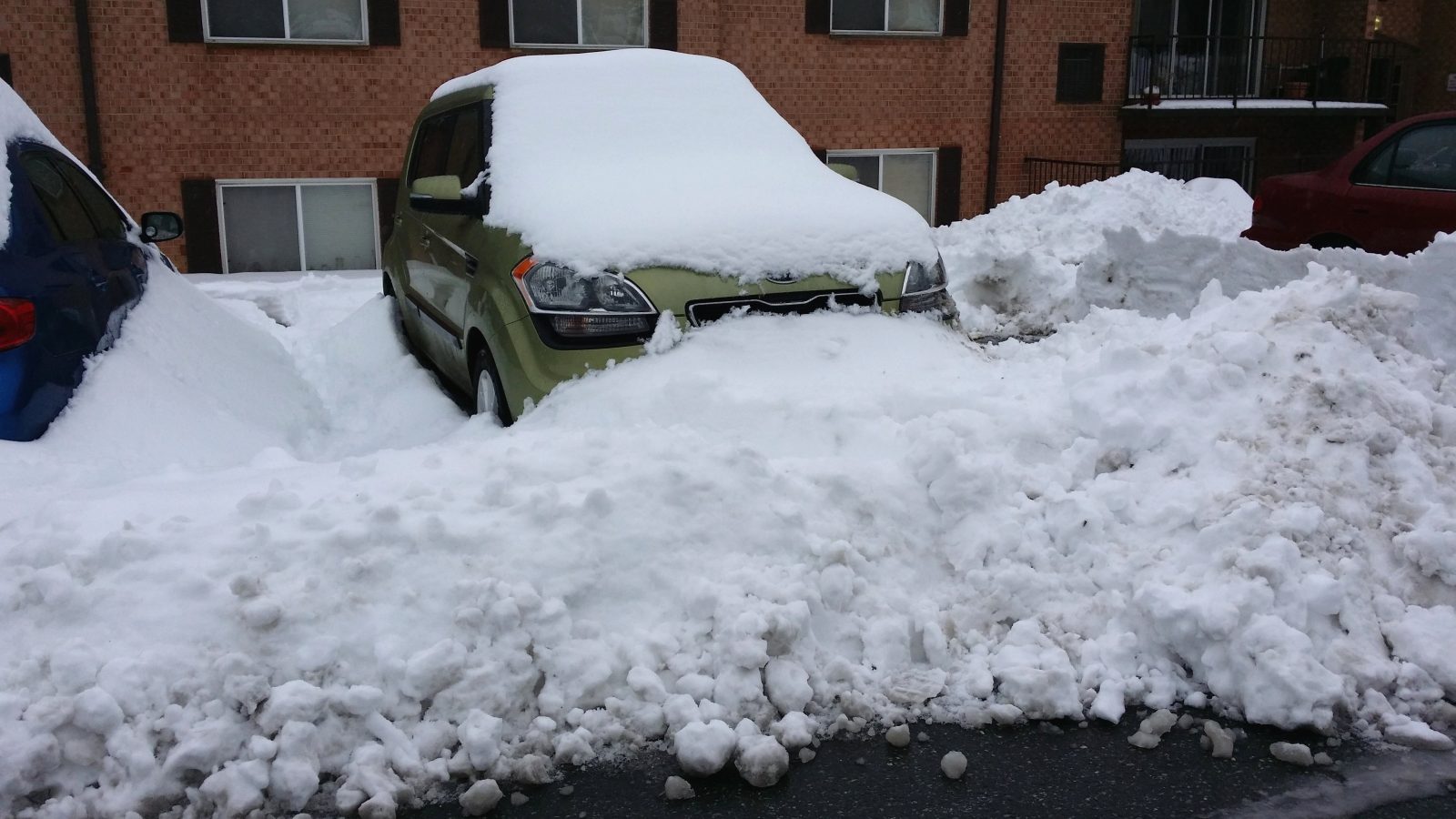
Direct answer: Snow and ice cut your tires' grip to a fraction of what it is on dry pavement, so everything takes longer: stopping, turning, and getting going again. The rules that keep you safe are simple. Slow down well below normal speed, leave far more room between you and the car ahead, make every input gentle — no sudden braking, steering, or accelerating — and never use cruise control on a slippery surface. Before you leave, check your tires, battery, and lights, keep the tank close to full, and tell someone your route and when you expect to arrive. If the authorities say not to drive, stay home: no trip is worth a crash in a whiteout.
Before you leave: the car check
Start with the tires, because they are your only contact with the road. As the outside temperature drops, so does tire inflation pressure, so check each tire when it is cold — meaning it has not been driven on for at least three hours — and fill it to the vehicle manufacturer's recommended pressure, which is in your owner's manual and on a label on the driver's side door frame. Do not inflate to the pressure listed on the tire itself: that number is the maximum the tire can hold, not the recommended pressure for your vehicle. Make sure the tread is at least 2/32 of an inch on all tires; the National Highway Traffic Safety Administration's penny test is a quick check — place a penny in the tread with Lincoln's head upside down, and if you can see the top of his head, the vehicle needs new tires. Consider snow tires if you regularly drive in winter conditions.
Have a mechanic check the battery and charging system before winter sets in. In cold weather, engines take more battery power to start and electric vehicles lose driving range, so a weak battery may fail on the first freezing morning. Check that your wipers, defrosters, headlights, brake lights, and turn signals all work, fill the washer reservoir with fluid made for freezing temperatures, and keep the gas tank close to full whenever possible — the North Carolina Department of Public Safety adds that keeping it at least half full also helps prevent moisture from freezing in the fuel lines. Check your local weather and traffic reports before heading out, and if the roads are not in good shape, consider postponing non-essential travel until they are cleared.
On the road: slow, smooth, and far apart
Reduce speed and increase your following distance so you have plenty of time to stop for the vehicles ahead of you. The National Weather Service's winter advice sums it up as "ice and snow, take it slow." Increase or decrease your speed slowly when starting or stopping on snowy or icy roads, because gentle inputs help your tires keep traction, and avoid sudden braking or steering. Watch for shady spots, bridges, and overpasses: they freeze before other surfaces as temperatures drop, so a road that looks merely wet may already be icy there. Do not use cruise control on snow or ice — a system holding a steady speed can keep power applied exactly when you need to ease off.
If you start to slide, take your foot off the gas and do not slam on the brakes; steer in the direction of the skid until you regain control. Know what kind of brakes your vehicle has before you need them: with an antilock brake system, apply firm, continuous pressure to the brake pedal and let the system work; without antilock brakes, pump the brakes if you feel the wheels starting to lock up. Clear all snow and ice from your windows, lights, and roof before you drive, use your wipers and low-beam headlights, and never pour water on a windshield to remove ice or snow — the CDC warns it can shatter the glass.
If you get stuck or stranded: stay with the car
If you are stopped or stalled in wintry weather, stay with your car. The CDC notes that staying in the vehicle is often the safest choice when winter storms create poor visibility or ice-covered roads, and North Carolina's safety guidance adds that you should not leave to search for assistance, because you may become disoriented and lost in blowing and drifting snow. Tie a brightly colored cloth to the antenna as a signal to rescuers and, if it is not snowing, raise the hood. Move anything you need from the trunk into the passenger area, wrap your entire body, including your head, in extra clothing or blankets, and stay awake.
Run the motor and heater for about 10 minutes per hour, opening one window slightly to let in air, and make sure snow is not blocking the exhaust pipe, which reduces the risk of carbon monoxide poisoning. Keep moving your arms and legs to improve circulation and stay warmer, and do not eat snow, because it will lower your body temperature. Newspapers, maps, and even car mats can be used for added insulation if you are stranded for a long time. If you must travel at all, let someone know your destination and when you expect to arrive, and ask them to notify authorities if you are late. For current hazards before you set out, check the site's weather alerts page and its cold safety guidance.
Frequently asked questions
How much should I slow down on snow and ice?
There is no single safe speed — drive well below your normal speed for the conditions and leave far more following distance than usual, because stopping takes much longer on a slick surface.
What should I do if my car starts to skid?
Take your foot off the gas and do not slam on the brakes. Steer in the direction of the skid until you regain control. With antilock brakes, apply firm, continuous pressure; without them, pump the brakes gently.
Can I use cruise control in winter weather?
No. Do not use cruise control on snow, ice, or wet winter roads — it can keep power applied when you need to ease off, and it reduces your control on a slippery surface.
If I get stranded in a snowstorm, should I walk for help?
No. Stay with your car — it is your shelter and much easier for rescuers to find than a person on foot in blowing snow. Signal with a bright cloth, run the engine about 10 minutes per hour with a window cracked and the exhaust clear, and wait for help.
Sources
- National Highway Traffic Safety Administration - Winter Driving Tips
- Centers for Disease Control and Prevention - Safety Guidelines: During & After a Winter Storm
- North Carolina Department of Public Safety - Winter Driving
About the author
WND Editorial Team — The World Natural Disasters editorial team curates disaster information from official scientific and humanitarian sources, reviews safety guidance against public-agency recommendations, and maintains the historical database.
Written and reviewed under our editorial policy. Factual claims cite the sources listed above.
Found an error? See our corrections policy.