Wind Chill: What It Really Means and How to Stay Safe
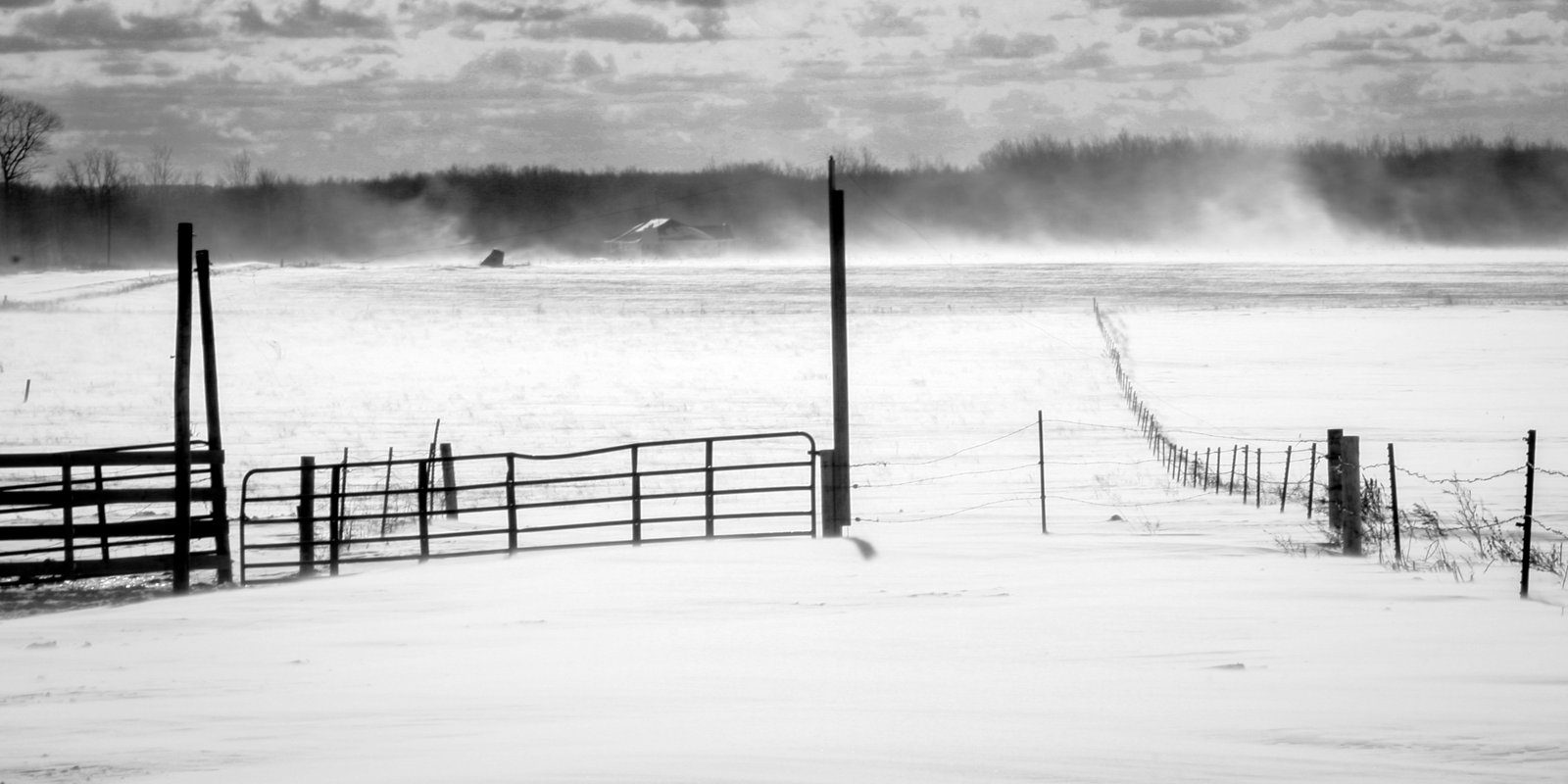
Direct answer: Wind chill is how cold it feels on exposed skin when wind and cold combine. It is not the temperature on the thermometer: it is the rate at which your body loses heat to cold, moving air. That is why a day that reads minus 5 degrees can be far more dangerous than the number suggests. With a 20 mph wind, the National Weather Service says minus 5 degrees feels like near minus 30 degrees, meaning your body loses heat at the same rate it would at minus 30 degrees with no wind. Dress for the wind chill, not just the temperature, cover every bit of exposed skin, and keep outdoor time short when the wind chill is very low.
What wind chill actually measures
The wind chill index takes into account heat loss from the human body to its surroundings during cold and windy weather. It uses wind speed in miles per hour and temperature in degrees Fahrenheit, and it exists because wind strips away the thin layer of warm air that your body holds close to your skin. Once that layer is gone, heat escapes faster, and exposed skin cools much sooner than it would in still air. That is also why wind chill is a warning about people, not about the weather in general: it tells you when dangerous conditions are developing that could lead to frostbite or hypothermia.
How fast frostbite can happen
Frostbite is the freezing of skin and the body tissue just beneath it. It first affects exposed body tissue where blood circulation may be limited, such as your fingers, toes, nose and ears. When frostbite starts, feeling is lost in the affected area and the frozen tissue takes on a white or pale appearance. The National Weather Service warns that wind chill values near minus 25 degrees mean frostbite is possible within 15 minutes. If you suspect you are experiencing frostbite, hold the frostbitten area closely against warm skin to return blood flow and warmth to the area, and get medical help promptly. Do not wait for the numbness to pass on its own: by the time feeling is gone, damage is already happening.
Hypothermia: the quieter killer
Hypothermia is a dangerously low body temperature, and the National Weather Service calls it the most common winter weather killer. When a hiker, climber, hunter or stranded traveller dies from cold weather exposure, hypothermia is usually the cause. Most people are surprised to learn that hypothermia deaths can occur with temperatures between 30 and 50 degrees, not only in deep freezes. If you or your clothing are wet, hypothermia becomes even more likely, because wet clothing results in much faster heat loss from your body. Warning signs include uncontrollable shivering, memory loss, disorientation, slurred speech and drowsiness. Immediate medical attention should be given to anyone suspected of suffering from hypothermia. If no help is available, the victim should be warmed slowly with warm liquids along with dry clothing and blankets.
How to dress for the wind chill
Stay dry first. Wet clothing results in much faster heat loss, so wear waterproof, insulated boots and keep snow and rain out of your layers. Stay covered: wear mittens or gloves and a hat, and cover your nose, ears and cheeks before you go out. Dress in layers, because trapped air between loose-fitting clothing helps to insulate you, and loose layers trap more of that air than one tight coat. On very cold days, minimize your exposure to the outdoors if possible, and use wind chill temperatures to guide you in dressing properly for the outdoors rather than guessing from the thermometer alone. Have a portable NOAA Weather Radio nearby to keep up to date with the latest forecasts and warnings, and check current weather alerts before you head out. The National Weather Service issues wind chill advisories and warnings when a deadly combination of wind and cold air threatens, and those products are your signal to change plans, not just to add a scarf. For more cold-weather guidance, see our cold safety guidance.
Frequently asked questions
What is wind chill?
Wind chill is how cold it feels on exposed skin when wind and cold combine. It reflects the rate of heat loss from the body, using wind speed in miles per hour and temperature in degrees Fahrenheit.
How cold does it have to be for frostbite?
Wind chill values near minus 25 degrees mean frostbite is possible within 15 minutes. Frostbite first affects fingers, toes, nose and ears; feeling is lost and the tissue turns white or pale.
Can hypothermia happen above freezing?
Yes. The National Weather Service notes that hypothermia deaths can occur with temperatures between 30 and 50 degrees, and wet clothing makes hypothermia even more likely.
What should I wear in a high wind chill?
Stay dry, stay covered and dress in layers. Wear waterproof insulated boots, mittens or gloves and a hat, cover your nose, ears and cheeks, and use loose-fitting layers that trap insulating air.
Sources
About the author
WND Editorial Team — The World Natural Disasters editorial team curates disaster information from official scientific and humanitarian sources, reviews safety guidance against public-agency recommendations, and maintains the historical database.
Written and reviewed under our editorial policy. Factual claims cite the sources listed above.
Found an error? See our corrections policy.