Ice Safety: How to Stay Safe on Frozen Lakes and Ponds
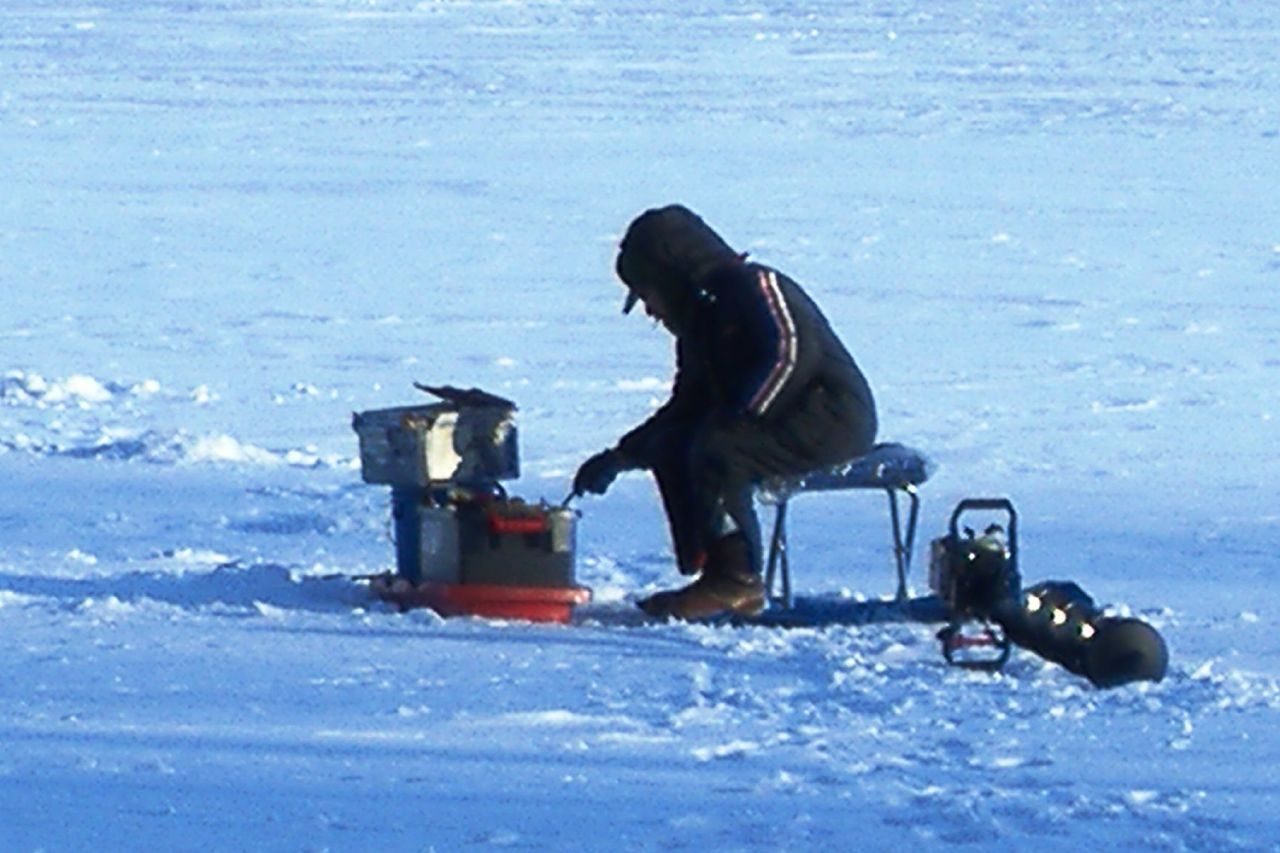
Direct answer: No ice is ever guaranteed safe. Before you step onto a frozen lake or pond, check conditions with local police, fire, or park officials, measure the thickness yourself, never go alone, and carry ice picks, rope, and a phone. If you remember one rule, make it this one: ice that is 2 inches thick or less is stay-off ice.
Why ice cannot be trusted by eye
Ice seldom freezes or thaws uniformly: the National Weather Service notes it can be a foot thick in one spot and only a few inches thick 10 feet away. Snow can hide cracks, weak spots, and open water. New ice is stronger than old ice: 4 inches of clear newly formed ice may support one person on foot, while a foot or more of old, partially thawed ice may not. Ice over flowing water or currents is often more dangerous, so avoid ice-bound rivers and streams entirely.
How thick is thick enough
For clear blue ice on lakes and ponds, Massachusetts wildlife officials give these minimums: 2 inches or less means stay off; 4 inches for ice fishing or other activities on foot; 5 inches for a snowmobile or ATV; 8 to 12 inches for a car or small pickup truck; and 12 to 15 inches for a medium truck. White ice, also called snow ice, is only about half as strong as new clear ice, so treat it with extra caution. These minimums apply to clear blue ice on lakes and ponds only; they do not apply to rivers, where moving water under the ice makes conditions far less predictable. Check thickness at regular intervals with an ice chisel, auger, or cordless drill plus a tape measure, and keep checking as you move: conditions change across a single lake.
Warning signs to stay off
Do not go out on the ice if you see cracks or holes, flowing water around the edges, just below the surface, or over the top, or ice that appears to have thawed and refrozen. Any one of these signs is enough reason to turn back.
Before you go
Tell someone your plans and when you expect to return. Carry a cell phone, ice picks, and rope, and wear a life jacket. Never go onto the ice alone, and check with local police, fire, or park officials before heading out.
If you fall in
Do not panic. Turn toward the direction you came from, place your hands and arms on the unbroken surface, and work forward by kicking your feet, using ice picks or nails to pull yourself up if you have them. Call for help as soon as you can, and remember that your winter clothing helps you float rather than dragging you down. Once you are out, remain lying on the ice and roll away from the hole. Do not stand. Crawl back toward your tracks, keeping your weight distributed. Do not remove your winter clothing: trapped air provides warmth and helps you float. Then find shelter, get warm, change out of wet clothing, and seek medical advice. Before winter outings, check current weather alerts and review our cold safety guidance.
If someone else falls in
Remember Preach, Reach, Throw, Go. Preach: call 911 and shout reassurance to the person in the water. Reach: extend a rope, jumper cables, tree branch, or ladder from shore. Throw: toss a rope or something that floats. Go: if it is too dangerous to reach or throw, call 911 or go find help. The National Weather Service is blunt about the last point: if you cannot reach the person from shore, call 911 before you also become a victim. If a pet falls in, do not attempt a rescue yourself: go find help, and keep pets leashed on or near ice.
Frequently asked questions
How thick does ice need to be to walk on?
At least 4 inches of clear blue ice for activities on foot, including ice fishing. Two inches or less means stay off. Remember that white or snow ice is only about half as strong as new clear ice.
Is it safe if the ice held someone yesterday?
Not necessarily. Ice seldom freezes or thaws uniformly, and old partially thawed ice can fail even when it is a foot thick. Check thickness at regular intervals every time you go out.
What should I carry onto the ice?
A cell phone, ice picks, and rope, and wear a life jacket. Tell someone your plans and when you expect to return.
What do I do if someone falls through the ice?
Call 911 and shout reassurance, reach with a rope, cable, branch, or ladder from shore, or throw a rope or something that floats. Do not walk out onto the ice yourself — untrained rescuers can become victims.
Sources
- National Weather Service Boston - Winter Weather Preparedness Week
- Mass.gov / MassWildlife - Stay Safe on the Ice This Winter
About the author
WND Editorial Team — The World Natural Disasters editorial team curates disaster information from official scientific and humanitarian sources, reviews safety guidance against public-agency recommendations, and maintains the historical database.
Written and reviewed under our editorial policy. Factual claims cite the sources listed above.
Found an error? See our corrections policy.