Winter Camping: How to Stay Safe Overnight in the Snow
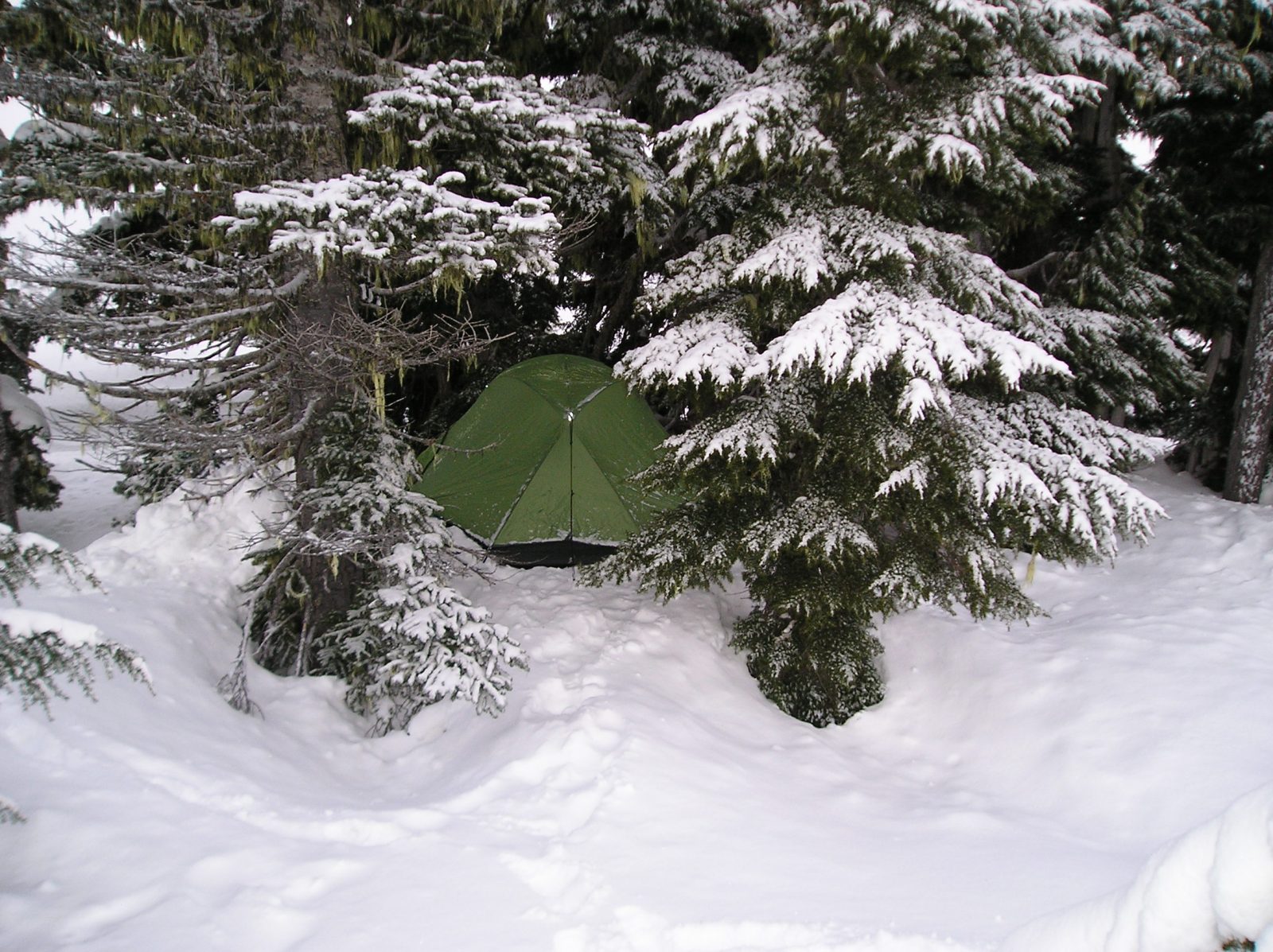
Direct answer: A night out in the snow is a survival exercise, not a picnic. Winter camping is safe only if you are experienced, self-sufficient and prepared to spend extra nights out if the weather turns. That means a permit, an avalanche forecast checked before you leave, a campsite on deep enough snow, and the right gear. The rest of this guide is the detail — read it before you pack, not after you arrive.
Start with the rules, not the gear
At Mount Rainier National Park in Washington, permits are required for all overnight camping, including in winter, and you register at a wilderness information center. The park will not let you camp just anywhere: at Paradise you need at least 5 feet of snow on the ground, and at Mazama Ridge and Reflection Lakes at least 2 feet. The winter season typically ends on May 15, and the Longmire gate closes nightly, so plan your arrival around it. The park is blunt about who should go: winter campers must be experienced and self-sufficient, with supplies to spend extra nights out. If you are not prepared for that, do not attempt it.
Picking a campsite
Pick your site by the rules. Camp at least 300 feet from plowed roads, parking areas, trails and buildings, and at least 100 feet from any water. Never travel or camp in an avalanche zone — check the Northwest Weather and Avalanche Center forecast before you leave and again at the trailhead. Snow caves need at least 8 feet of snow, and you must deconstruct your snow cave after use so nobody falls into it later. Campfires are not allowed in any form when winter camping at Mount Rainier, though stoves are permitted. Pack out all your trash, use the blue bags provided for human waste, and store food at all times — hang it or use hard-sided containers, which are required in the Paradise-area zones. Pets are not allowed on trails or in the snow. And one small detail that saves a morning: avoid setting the parking brake, because it may freeze on.
The Winter 10 Essentials
Mount Rainier’s rangers publish a Winter 10 Essentials list, and it is the packing list to trust: a shovel; a full-length insulated sleeping pad; a stove and fuel; heat packs; goggles and a wool or pile hat; gloves — base, mid and shell layers; an avalanche transceiver; an avalanche probe; the ability to assess mountain weather and avalanche hazards; and a map, compass and GPS with extra batteries. The list is built around one assumption: if a whiteout stops you, you will have to camp where you stand and wait for clearing weather, so you must be equipped to survive nights out.
The hazards that catch campers
Avalanches are the first hazard. They are most common during or immediately after a storm, so never travel or camp in an avalanche zone and check the forecast every day. Tree wells are the hazard most newcomers have never heard of: hidden cavities of loose snow under the branches of a tree, where falling in upside down can cause suffocation or positional asphyxiation — the park’s own example was about 8 feet deep. Always go with a partner and keep an eye on each other. Snow bridges are another trap: snow-covered drainages can hide running water, so listen for it, probe with a pole and avoid them. Stay well away from cornices at the edge of a ridge. The days are short — at Mount Rainier the sun rises around 8:00 am and sets before 4:30 pm, with only 8 hours and 25 minutes of daylight on the solstice — so plan for the dark. And watch for hypothermia: wear wool or synthetics such as polypropylene, never cotton, layer your clothing and adjust it as you warm up, eat frequently, stay hydrated and avoid exhaustion. Any shelter you build, from a tent to a snow cave, needs ventilation to prevent carbon monoxide poisoning.
Winter camping in the UK and Europe
The same rules travel well. In the United Kingdom, the Met Office publishes specialist mountain forecasts for ranges such as the Southern Grampians and the Southeast Highlands, with the freezing level, wind speed by altitude, the chance of precipitation, and warnings for wind chill, frostbite, hypothermia and white-outs. White-outs need real navigation skills — a map and compass are not optional. In Scotland, check the Scottish Avalanche Information Service at sais.gov.uk before you go. The agencies differ, but the principle is the same everywhere: the forecast comes first, the permit comes second, and the gear comes third.
Winter camping rewards the prepared and punishes the casual. Check the alerts on our weather alerts page before you go, read our cold safety guide, and if the forecast or your experience says no, stay home — the mountain will still be there next weekend.
Frequently asked questions
How much snow do I need to camp on?
At Mount Rainier, at least 5 feet of snow at Paradise and at least 2 feet at Mazama Ridge and Reflection Lakes. A snow cave needs at least 8 feet of snow.
Do I need a permit to winter camp?
Yes. Permits are required for all overnight camping at Mount Rainier, including in winter, and you register at a wilderness information center.
Can I have a campfire when winter camping?
No. Campfires of any type are not allowed when winter camping at Mount Rainier. Stoves are permitted.
What should I do if a whiteout stops me?
Camp and wait for clearing weather. The National Park Service says it is usually better to camp and wait than to continue and risk getting lost.
Sources
- National Park Service - Mount Rainier Winter Camping
- National Park Service - Mount Rainier Winter Safety
- Met Office - Mountain forecast, South Grampian and Southeast Highlands
About the author
WND Editorial Team — The World Natural Disasters editorial team curates disaster information from official scientific and humanitarian sources, reviews safety guidance against public-agency recommendations, and maintains the historical database.
Written and reviewed under our editorial policy. Factual claims cite the sources listed above.
Found an error? See our corrections policy.