Blizzard Safety: How to Prepare, Shelter and Travel Safely
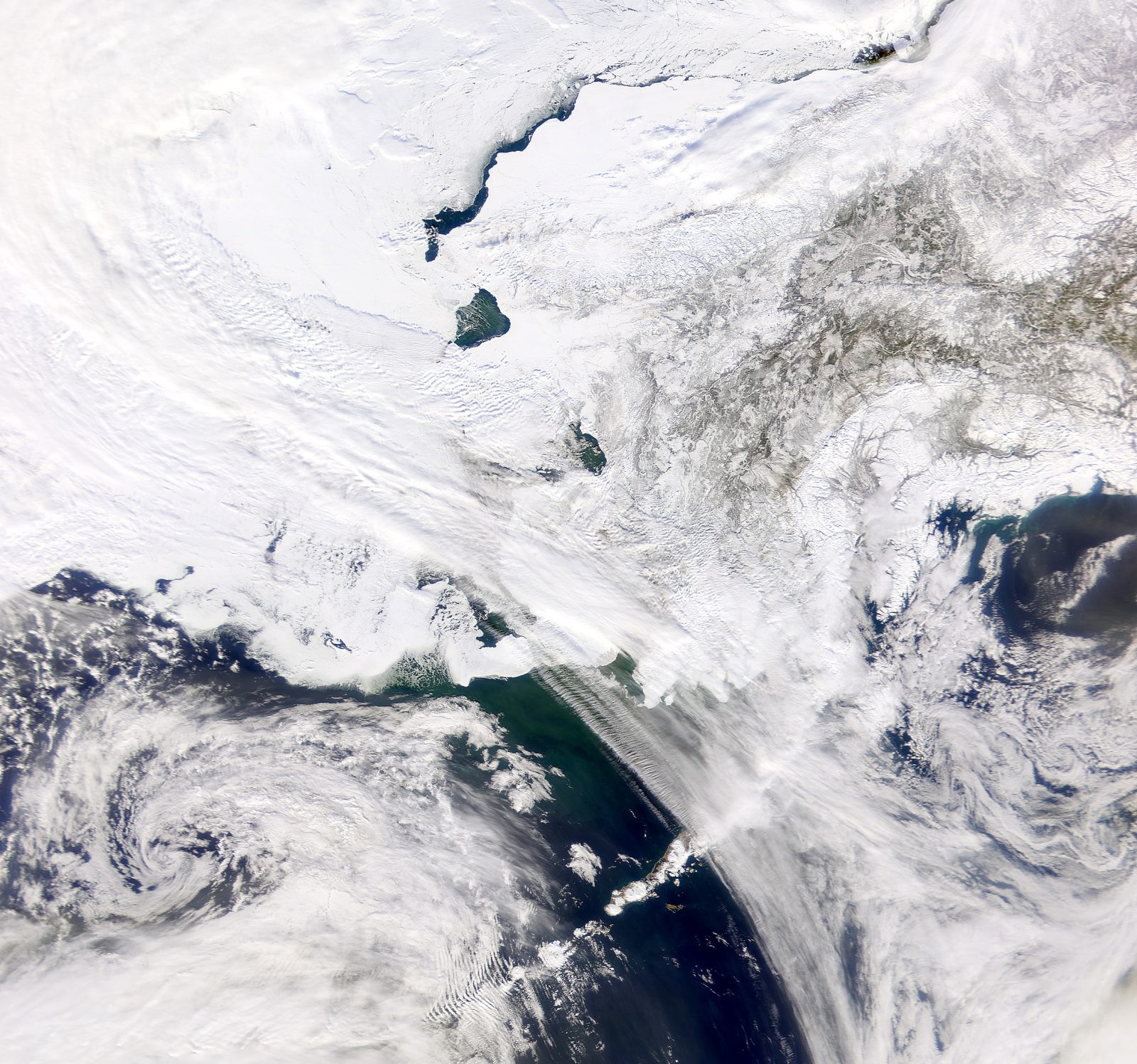
Direct answer: The National Weather Service defines a blizzard as sustained winds or frequent gusts of 35 mph or greater with considerable falling or blowing snow that reduces visibility to less than a quarter mile for at least three hours. Falling snow is not even required — blowing snow alone can do it — and there is no temperature requirement, though the danger rises sharply below 20°F. The single most important safety rule: stay off the roads and shelter in place until the storm passes.
Before: prepare your home, car and kit
A blizzard can cut off heat, power and communications for hours or days, and the NWS notes that on average more than 5,000 people are killed and more than 418,000 injured each year in weather-related vehicle crashes — so preparation is mostly about staying put safely. Gather supplies to stay home for several days without power, keeping medication and pets' needs in mind, with extra batteries for radios and flashlights.
Winterize your vehicle fully before winter: check all fluid levels and the lights, heater and windshield wipers, and keep the gas tank near full to avoid ice in the tank and fuel lines. Carry a Winter Storm Survival Kit in the car: phone and charger, batteries, blankets or sleeping bags, a flashlight with extra batteries, a first-aid kit, high-calorie non-perishable food, extra dry clothing, a shovel, a sack of sand or cat litter for traction, booster cables, a scraper, a water container, and a compass and road maps — do not depend on a phone with limited battery life. If you must travel, avoid going alone, let someone know your timetable and primary and alternate routes, and call 511 for the latest road conditions. Move animals to sheltered areas, bring pets inside, and make sure they have food, water and warm shelter — the NWS notes most animals die from dehydration in winter storms.
During: driving rules and what to do if you get stuck
If you are under a Winter Storm Warning — hazardous winter weather imminent or occurring, usually issued 12 to 24 hours ahead — find shelter right away and stay off the roads. A Watch means a blizzard, heavy snow or freezing rain is possible, usually 12 to 48 hours out. If you must drive: take it slow in the snow, make sure the vehicle is completely clear of ice or snow before starting (flying snow from cars causes accidents), and never leave the house without a fully charged phone, car charger and the emergency kit.
If you begin to skid, remain calm, ease your foot off the gas and turn the wheels in the direction you want the front of the car to go. With anti-lock brakes, apply steady pressure to the pedal — never pump ABS brakes. If weather makes it hard to see, pull over, stop until visibility improves, turn off the lights and use the parking brake, so another car will not follow your tail lights and hit you. If the temperature is near freezing, drive like you are on ice — black ice can be almost invisible.
If the car gets stuck: stay in the vehicle. Leaving it means becoming disoriented quickly in wind-driven snow. Run the motor about 10 minutes each hour for heat; while it is running, open a window a little for fresh air and clear snow from the exhaust pipe to avoid carbon monoxide poisoning. Be visible to rescuers: turn on the dome light at night, tie a bright-colored cloth (red is best) to the antenna or door, and once the snow stops falling, raise the hood to signal you need help.
After: the storm is over but the danger lingers
Melting snow can cause floods, partially cleared roads may be icy or blocked, and heavy snow may have knocked down power lines and caused gas leaks. Black ice — a clear sheet of ice you cannot easily see — is most dangerous in the early morning after roadways are cleared. Pay attention to road-closure signs, cones and sawhorses; report potholes to your local Department of Transportation.
Carbon monoxide poisoning is one of the leading causes of death after storms with power outages. Only use generators outdoors and at least 20 feet away from windows, doors and attached garages — never inside the home or garage — and install working carbon monoxide detectors on every level of the home. Never heat your home with a gas stovetop or oven. And avoid overexertion: shoveling snow raises the risk of heart attacks, so pace yourself.
Know the signs of frostbite and hypothermia
Limit time outside. Frostbite causes loss of feeling and color around the face, fingers and toes — signs are numbness, white or grayish-yellow skin, and firm or waxy skin. Warm the area in a warm room with warm water or body heat; do not massage the skin and do not use a heating pad. Hypothermia — below 95 degrees — is an emergency: signs include shivering, exhaustion, confusion, slurred speech and drowsiness, so warm the center of the body first (chest, neck, head and groin) and keep the person dry and wrapped in blankets. Read the full cold-injury guidance in our cold safety guide, and see notable past winter storms for how quickly conditions can turn deadly.
Frequently asked questions
What exactly counts as a blizzard?
The National Weather Service defines a blizzard as sustained winds or frequent gusts of 35 mph or greater with considerable falling or blowing snow that reduces visibility to less than a quarter mile for at least 3 hours. Falling snow is not required, and there is no temperature requirement.
What should I do if my car gets stuck in a blizzard?
Stay in the vehicle — you will become disoriented quickly in wind-driven snow. Run the motor about 10 minutes each hour for heat, crack a window for fresh air, clear snow from the exhaust pipe, then make yourself visible with the dome light, a red cloth on the antenna, and a raised hood once the snow stops.
How do I recognize frostbite and hypothermia?
Frostbite shows as numbness with white or grayish-yellow, firm or waxy skin on the face, fingers and toes — warm it in warm water, never massage it or use a heating pad. Hypothermia is a body temperature below 95 degrees; signs are shivering, exhaustion, confusion, slurred speech and drowsiness — warm the center of the body first and keep the person dry and wrapped in blankets.
What should be in a winter survival kit for my car?
The NWS recommends blankets or sleeping bags, a flashlight with extra batteries, a first-aid kit, high-calorie non-perishable food, extra dry clothing, a shovel, a sack of sand or cat litter for traction, booster cables, a windshield scraper, a water container, a candle and matches, a phone charger, and a compass and road maps.
Sources
- National Weather Service - Prepare! Don't Let a Winter Storm Take You by Surprise
- National Weather Service - What To Do If You're Caught in a Winter Storm
- National Weather Service - Caution! Winter Storm Dangers Linger
- ready.gov - Winter Weather
- National Weather Service - Glossary: Blizzard Warning
- National Weather Service - Winter safety overview
About the author
WND Editorial Team — The World Natural Disasters editorial team curates disaster information from official scientific and humanitarian sources, reviews safety guidance against public-agency recommendations, and maintains the historical database.
Written and reviewed under our editorial policy. Factual claims cite the sources listed above.
Found an error? See our corrections policy.