Avalanche Safety: Stay Safe in Avalanche Terrain
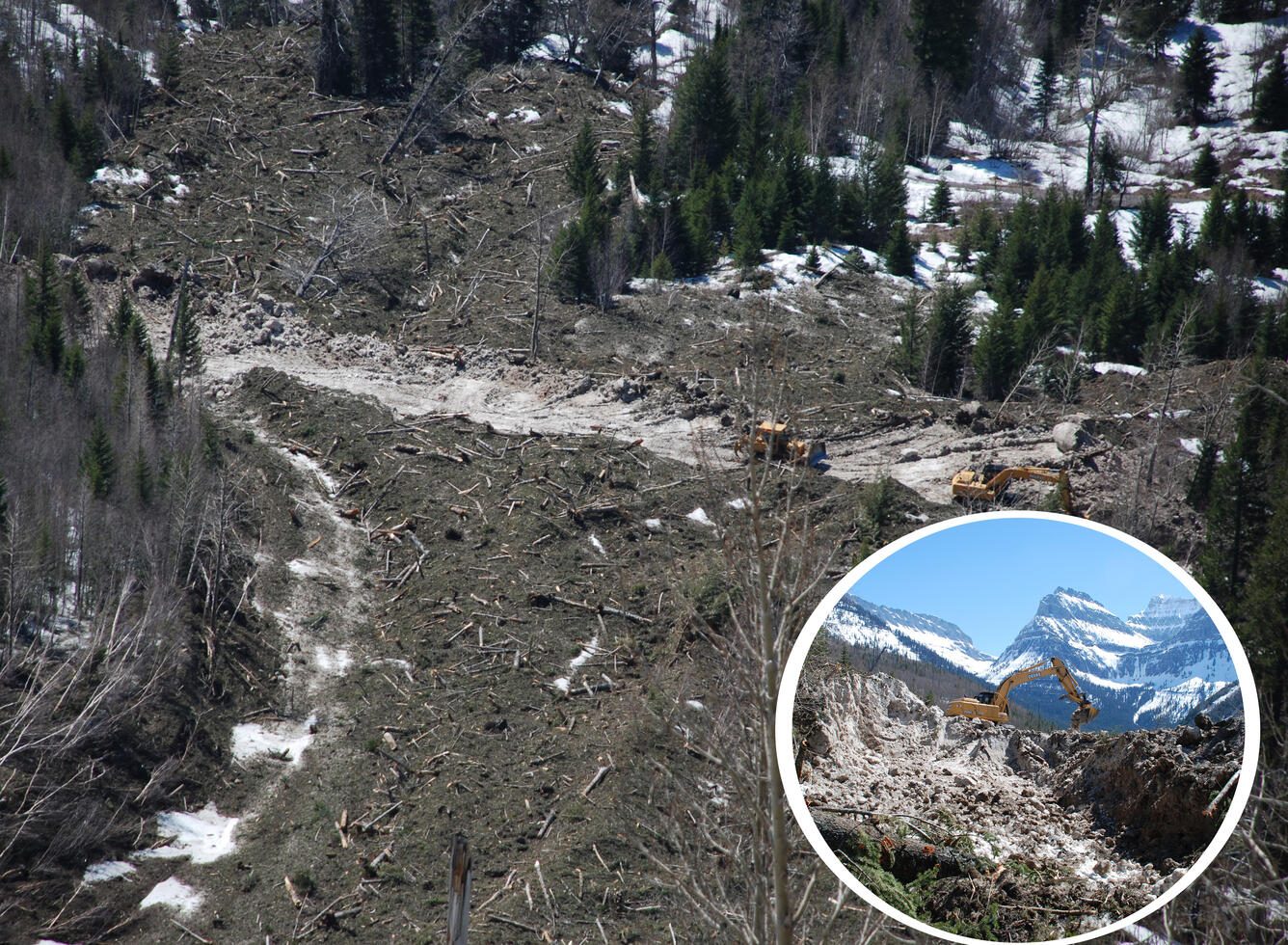
Direct answer: The best way to survive an avalanche is not to get caught in one. Before you go, check the avalanche forecast for your exact zone, choose terrain that matches the danger rating and your party's least experienced member, and carry a beacon, probe and shovel — and know how to use them. Danger changes day to day, sometimes hour to hour.
What an avalanche is
An avalanche is a rapid flow of snow down a hill or mountainside, according to the National Weather Service (NWS). Avalanches kill more than 150 people worldwide each year, and 23 people on average each winter over the last 10 winters in the United States, according to the Colorado Avalanche Information Center. In 90 percent of avalanche incidents, the slide is triggered by the victim or someone in the victim's party. There are two main types: loose-snow avalanches, which start from a single point in poorly bonded snow, and slab avalanches, in which a large area of cohesive snow slides at once. Slab avalanches are the more dangerous kind: bigger, faster and harder to escape.
Read the danger scale before you go
Avalanche danger is set by the likelihood, size and distribution of avalanches, and the North American Public Avalanche Danger Scale has five levels. At 1, Low, conditions are generally safe and avalanches are unlikely. At 2, Moderate, conditions are heightened on specific terrain features: evaluate carefully, since human-triggered avalanches are possible. At 3, Considerable, conditions are dangerous: careful evaluation, cautious route-finding and conservative decisions are essential, and human-triggered avalanches are likely. At 4, High, conditions are very dangerous and travel in avalanche terrain is not recommended. At 5, Extreme, avoid all avalanche terrain: avalanches are certain. Parks Canada strongly recommends that the general public avoid areas rated High or Extreme. You control your own risk by choosing where, when and how you travel.
Know before you go
The USDA Forest Service operates 14 avalanche forecasting centres, whose forecasters watch snowpack, humidity, temperature and wind daily. Find the forecast for your destination through Avalanche.org, a partnership between the Forest Service and the American Avalanche Association. Plan terrain and a route to fit the skill level of your entire party, and have a Plan B in case Plan A fails. Look for warning signs at the trailhead. Re-check the forecast on the morning of the trip, and be ready to turn back.
Terrain that slides
Most avalanches happen on slopes between 30 and 45 degrees, and most occur during or just after snowstorms. A slope larger than 10 by 10 metres — about a tennis court — can hold enough snow to endanger a person. Convex rolls on a slope are trigger points where avalanches are likely to start, and cornices — overhanging shelves of wind-deposited snow along ridges — are unstable and should be avoided whether you are on the ridge or below it. Watch for terrain traps: gullies, creek beds and ditches trap moving snow and bury victims much deeper, while trees, rocks and cliffs cause greater injury.
Red flags in the field
The NWS lists warning signs of unstable snow: you see an avalanche happen or evidence of previous slides; cracks form in the snow around your feet or skis; the ground feels hollow underfoot; you hear a "whumping" sound as you walk, a sign the snow is settling and a slab might release; heavy snowfall or rain in the past 24 hours; significant warming or rapidly increasing temperatures; and surface patterns made by strong winds, which can mean snow has been transported into dangerous drifts. Strong sunshine, warm temperatures and rain all destabilise the snow, and the first warming to around freezing or warmer after a storm is often when avalanches occur. If you see or hear any of these signs, stay away from avalanche terrain. And if you see no signs, that does not mean avalanches are not possible.
Essential gear — and practice
Always carry a beacon, probe and shovel, and know how to use them. Everyone in the party wears a transceiver and turns it on before leaving; if someone is buried, the others switch theirs to receive and locate the signal. The probe pinpoints the victim's location and depth, and the shovel frees them. Snowmobile riders must carry rescue gear on their back, not on the machine. An avalanche airbag can improve survival odds, but it only adds to the three essentials. Practice realistic rescue scenarios with your partners before you go.
If you are caught
Try to get out of the way: move diagonally or ski or ride off the slide at a 45-degree angle downslope, toward the edge, where the slide is slower and shallower. Yell "Avalanche!" to alert others. If you are near the top, try to self-arrest by digging poles, hands or ski edges into the slope, or hug a tree tightly. If you are caught in the flow, ditch your skis or board and poles, fight to stay afloat by swimming toward the surface with your feet downhill, and as the flow slows, clear snow in front of your mouth with one hand to create an airspace and stay calm — the snow will stop moving quickly, so do not wait until the last moment.
Related pages on this site: Severe Cold and Winter Storm Safety, US weather alerts by state, and the historical disaster archive.
Frequently asked questions
What does 'Considerable' mean on the avalanche danger scale?
The North American scale has five levels: Low, Moderate, Considerable, High and Extreme. At Considerable, conditions are dangerous: careful snowpack evaluation, cautious route-finding and conservative decision-making are essential, and human-triggered avalanches are likely. The rating is given for each elevation band in the forecast area, and Parks Canada strongly recommends the public avoid areas rated High or Extreme.
What gear do I need in avalanche terrain?
Always carry a beacon, probe and shovel, and know how to use them. Everyone wears a transceiver switched on; the probe pinpoints a buried victim's location and depth, and the shovel frees them. An avalanche airbag only adds to the three essentials. Snowmobile riders must carry rescue gear on their back, not on the machine.
What are the warning signs that an avalanche could happen?
The National Weather Service lists: recent avalanches or evidence of previous slides; cracks around your feet or skis; hollow-feeling ground; a 'whumping' sound; heavy snowfall or rain in the past 24 hours; significant warming; and wind-formed surface patterns. Heavy snow means 30 centimetres or more over 48 hours, or 2 centimetres or more per hour for several hours. No signs does not mean no danger.
What should I do if someone in my group is buried?
You are the rescue party: outside help is usually too far away. Note the last seen point, search below it with your transceiver, probe to pinpoint the victim, dig them out, and care for them, while watching for further slides and calling 911 or sending an SOS if you can. Minutes matter, and sources differ: the National Avalanche Center says most burial victims have less than 15 minutes before succumbing to asphyxiation, Avalanche Canada cites a 10-minute window at 80 percent recovery odds, and a USDA specialist puts it at 20 or 30 minutes.
Sources
- National Weather Service - Avalanche Safety
- USDA Forest Service - When Snow Becomes Deadly
- USDA - Enjoy Winter on a National Forest
- Parks Canada - Avalanche Danger Scale
- Avalanche Canada - Start here
- Avalanche.org - Companion Rescue
- Avalanche.org - Avalanche Survival Techniques
- NWS Denver/Boulder - Avalanche Safety
- CAIC - Accident Statistics and Reporting
About the author
WND Editorial Team — The World Natural Disasters editorial team curates disaster information from official scientific and humanitarian sources, reviews safety guidance against public-agency recommendations, and maintains the historical database.
Written and reviewed under our editorial policy. Factual claims cite the sources listed above.
Found an error? See our corrections policy.