Wildfire Season: How to Prepare Your Home and Family
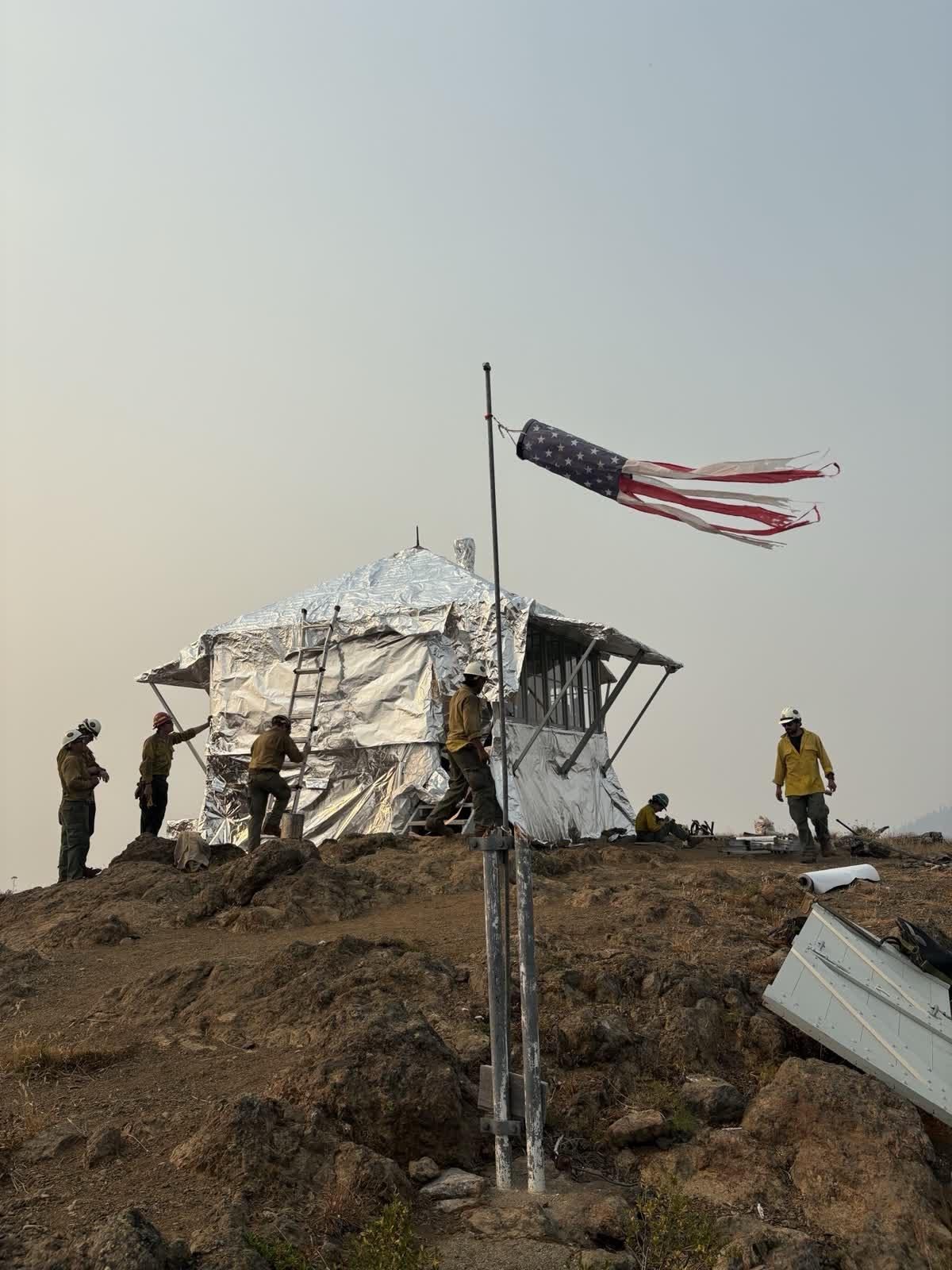
Direct answer: Wildfire preparation has three parts: defensible space around your home, hardening the home against embers, and a practiced evacuation plan. California requires 100 feet of defensible space, and CAL FIRE calls the first 5 feet — Zone 0 — the most important of all. If a fire threatens, leave before an evacuation order is issued.
Defensible space: the 100-foot buffer
Defensible space is the buffer zone between your property and the surrounding wildland. It slows or stops the spread of wildfire, protects the home from embers, flames or heat, and gives firefighters a safer area to defend the property (CAL FIRE). In California, 100 feet of defensible space is required by law under Public Resources Code 4291.
Zone 0 — the first 5 feet from the home — matters most: use hardscape such as gravel, pavers or concrete instead of combustible bark or mulch; clear dead plants, weeds, leaves and needles from the roof, gutters, deck, porch and under the home; cut branches within 10 feet of any chimney; limit combustible furniture on decks; move firewood to Zone 2; replace combustible fencing attached to the home; and move bins, boats, RVs and vehicles out of this zone.
Beyond Zone 0, CAL FIRE says: mow annual grass to 4 inches maximum; keep 10 feet of clearance to bare mineral soil around wood piles, outbuildings and propane tanks; space trees 10, 20 or 30 feet apart depending on slope; remove tree branches at least 6 feet from the ground; and keep vertical clearance between shrubs and tree branches at least three times the shrub's height. Mow before 10 a.m., never when hot or windy.
Harden the home against embers
The roof is the most vulnerable part of the home: homes with wood or shingle roofs are at high risk of being destroyed. CAL FIRE recommends re-roofing with composition, metal or tile, blocking spaces between roof decking and covering, and keeping roofs and gutters clear of debris. Fit 1/16 to 1/8-inch noncombustible metal mesh over vents — never fiberglass or plastic, which can melt.
Also: dual-paned windows with a tempered glass layer and screens on operable windows; stucco or fiber cement walls; decks of ignition-resistant materials such as composite, with an ember-resistant zone beneath; boxed-in eaves and soffits; and the fireplace flue closed during wildfire season.
The US Fire Administration notes wildfires spread four ways — ember deposition, radiant heat, flame impingement and convection — and embers cause a significant share of home ignitions. NIST research found embers can be carried several miles downwind, and millions can impact a single structure in one wildfire. Embers can smolder for hours, so flames may appear long after the front has passed. Because one home catching fire can destroy a neighbourhood, metal screens, sealed openings and metal or stone fencing within 5 feet of the house all matter.
Know the warnings
A Red Flag Warning is a National Weather Service alert for weather conditions likely to produce extreme burning conditions — a dry spell, high to extreme fire danger, sustained winds of 15 mph or greater, relative humidity of 25 percent or less, and temperatures above 75°F. It means finalize preparations and be ready to leave. Official alerts arrive via Wireless Emergency Alerts (no sign-up, free), the Emergency Alert System, and NOAA Weather Radio.
Evacuation: warnings, orders, and when to go
CAL FIRE distinguishes an Evacuation Warning — danger is significant, get ready — from an Evacuation Order, which police enforce. People with pets, livestock or extra evacuation time should leave at the warning stage. Do not wait for a mandatory order, and do not return until fire officials say it is safe.
After a fire, wait for official clearance: watch for downed power lines, be cautious with propane tanks and gas lines, and inspect for hidden embers. Create defensible space around barns and pastures as you do for the home.
The go bag and the emergency kit
Keep a go bag where you can grab it. The California Governor's Office of Emergency Services lists: non-perishable food, bottled water, cash, a phone charger, medications, important documents, a first aid kit, and pet supplies. Ready.gov adds: 1 gallon of water per person per day; a battery-powered or hand-crank radio plus a NOAA Weather Radio with tone alert; flashlight, extra batteries, whistle, dust mask and local maps; phone chargers and a backup battery; family documents in a waterproof container; and a sleeping bag or blanket plus a change of clothing per person. Replace expired items yearly.
Pets and livestock
Decide in advance where to take or leave pets, and arrange a neighbour's help if you are away when evacuation comes. The USDA pet kit includes medications and vet records, leashes and carriers, food, water and bowls, a pet first aid kit, and current photos of the pet. Keep collars, tags and microchip registrations current.
For livestock, decide in advance where to take the animals and arrange transport ahead of time. Keep medical records, registration papers and photos with your disaster kit. If animals must be left behind, leave them in a cleared area with hay for 48 to 72 hours — not automatic waterers. Firefighters focus on controlling the fire and may not evacuate livestock.
Related pages on this site: US weather alerts by state for the warnings in force now, and the historical disaster archive for how past fires shaped the policies above.
Frequently asked questions
What is a Red Flag Warning?
It is a National Weather Service alert for weather conditions likely to produce extreme burning conditions — typically after a dry spell of a week or two, with sustained winds of 15 mph or more, relative humidity of 25 percent or less, and temperatures above 75°F. It is issued when the event is ongoing or the forecaster is highly confident the criteria will be met within 24 hours. A Fire Weather Watch may come first.
What is Zone 0 and why does it matter?
Zone 0 is the first 5 feet around your home — CAL FIRE calls it the most important zone. Embers can ignite materials right next to the house, so this strip should use hardscape (gravel, pavers, concrete) instead of combustible bark or mulch, and be kept clear of dead plants, debris, firewood, and combustible furniture or fencing.
What should go in a wildfire go bag?
Non-perishable food, bottled water, cash, a cell phone charger, medications, important documents, a first aid kit, and pet supplies (food, water, collar and leash, carrier, vaccine records). Keep it somewhere easy to grab, replace expired items, and re-think your needs every year.
Should I wait for an evacuation order before leaving?
No — it is safer to leave before a mandatory order is issued. An evacuation warning means danger is significant and you should get ready; people with pets, livestock, or extra evacuation time should leave at the warning stage. Follow law-enforcement directions and do not return until fire officials say it is safe.
Sources
- CAL FIRE - Defensible Space
- CAL FIRE Ready for Wildfire - Hardening Your Home
- CAL FIRE Ready for Wildfire - Go! Evacuation Guide
- U.S. Fire Administration - Protecting Structures from Wildfire Embers
- National Weather Service - Red Flag Warning (glossary)
- California Governor's Office of Emergency Services - Go Bag
- ready.gov - Build a Kit
- USDA - Pets and Emergencies
- FEMA - Integrated Public Alert & Warning System (IPAWS)
- Los Angeles Fire Department - Home Hardening
About the author
WND Editorial Team — The World Natural Disasters editorial team curates disaster information from official scientific and humanitarian sources, reviews safety guidance against public-agency recommendations, and maintains the historical database.
Written and reviewed under our editorial policy. Factual claims cite the sources listed above.
Found an error? See our corrections policy.