When Thunder Roars, Go Indoors: Lightning Safety in a Thunderstorm
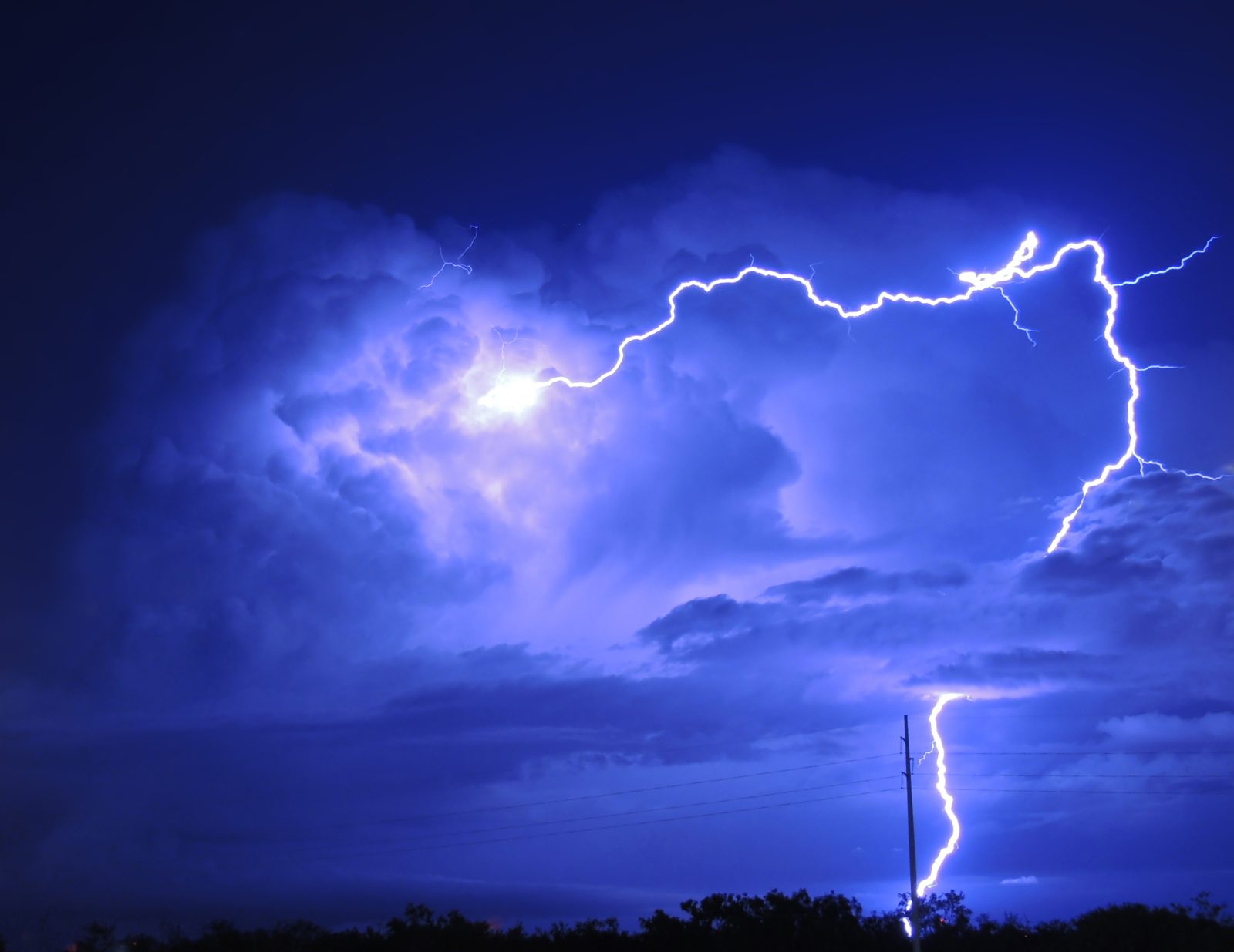
Direct answer: When thunder roars, go indoors. There is no safe place outside when thunderstorms are in the area, and if you can hear thunder, you are likely within striking distance. Lightning kills about 20 people a year in the United States and injures hundreds more — and all thunderstorms produce lightning, so every one of them is dangerous. Get inside a substantial building or a hard-topped enclosed vehicle, and stay there for 30 minutes after the last thunder.
The numbers behind the rule
Lightning strikes the United States about 25 million times a year, according to the National Weather Service. About 20 people are killed each year and hundreds more are injured, and some survivors suffer lifelong neurological damage. The danger is not limited to the rain shaft: lightning can strike from up to 10 miles away from a thunderstorm, and the National Weather Service in Melbourne, Florida, warns it can strike more than 10 miles from a storm — even when thunder is not audible — and is often most dangerous near the storm's outer edges. The old idea that the danger ends when the rain stops is wrong; bolts from the blue travel miles from the storm that made them.
That is why the National Weather Service's standing rule is simple: have a lightning safety plan, cancel or postpone outdoor activities early if thunderstorms are expected, and get to a safe place before the weather becomes threatening. And the all-clear has a clock on it: wait 30 minutes after the last lightning or thunder before going back outside.
Where to shelter
The only safe places are substantial buildings and hard-topped (metal-topped, fully enclosed) vehicles. The list of places that are not safe is long and worth memorising: rain shelters, small sheds, open vehicles, picnic pavilions, dugouts, trees, golf carts and convertibles. The National Weather Service puts it bluntly — there is no completely safe place outdoors when lightning is in the area; it is a matter of reducing risk. Trees are especially deadly shelter, and bodies of water are no refuge either: get out of and away from the water.
If you are caught with no shelter, the guidance is to get off elevated areas, never lie flat on the ground (more surface area for the ground current, which causes the most deaths and injuries), never shelter under an isolated tree, and stay away from objects that conduct electricity, such as metal fences.
None of this works without a plan made in advance. The National Weather Service advises having a lightning safety plan for any outdoor activity, cancelling or postponing early if thunderstorms are expected, and monitoring the weather so you can reach a safe place before conditions become threatening. Deciding where the safe shelter is while the sky is still blue is what makes the rest of the guidance usable.
Inside the building
Getting indoors does not end the checklist. Do not touch anything plugged into an electrical outlet, the plumbing, or corded phones — lightning can travel through electrical systems and plumbing. Cell phones and cordless phones are safe to use. Keep away from outside doors and windows, and do not lie on a garage floor. Avoid using water while the storm is overhead.
If someone is struck
Act immediately. Lightning victims do not carry an electrical charge and are safe to touch — the charge dissipates in the body within milliseconds. Call 911, monitor the victim, and start CPR or use an AED if needed. Prompt first aid genuinely saves lives here, because the heart can often be restarted.
Lightning is one of the few weather dangers where the safety rule fits in a single sentence. Memorise it before the next storm season: when thunder roars, go indoors — and wait the full 30 minutes. Check US weather alerts by state before outdoor plans, and browse the historical disaster archive to see how a single strike has changed lives.
Frequently asked questions
When is it safe to go back outside after a thunderstorm?
Wait 30 minutes after the last lightning or thunder before going back outside, per the National Weather Service. The danger does not end when the rain stops — lightning can strike more than 10 miles from the storm — so the all-clear has a clock on it.
Is it safe to shelter under a tree or in my car during a thunderstorm?
Never under a tree — isolated trees are one of the most dangerous places to be. A hard-topped, fully enclosed (metal-topped) vehicle is safe; a convertible, golf cart or open vehicle is not. The safest options are substantial buildings and enclosed metal-topped vehicles.
Can I use my phone during a thunderstorm?
Cell phones and cordless phones are safe to use. Do not use corded phones or anything plugged into an electrical outlet, and avoid plumbing — lightning can travel through electrical systems and water pipes.
What should I do if someone is struck by lightning?
Lightning victims do not carry an electrical charge and are safe to touch. Call 911 immediately, monitor the victim, and start CPR or use an AED if needed — prompt first aid can restart the heart.
Sources
- National Weather Service - Overview: Lightning Safety
- National Weather Service - Lightning Victims (fatality statistics)
- NWS Albuquerque - North American Monsoon Lightning
- NWS Melbourne - Public Information Statement on lightning safety (Feb 2026)
About the author
WND Editorial Team — The World Natural Disasters editorial team curates disaster information from official scientific and humanitarian sources, reviews safety guidance against public-agency recommendations, and maintains the historical database.
Written and reviewed under our editorial policy. Factual claims cite the sources listed above.
Found an error? See our corrections policy.