The Saffir-Simpson Hurricane Wind Scale: What Each Category Means
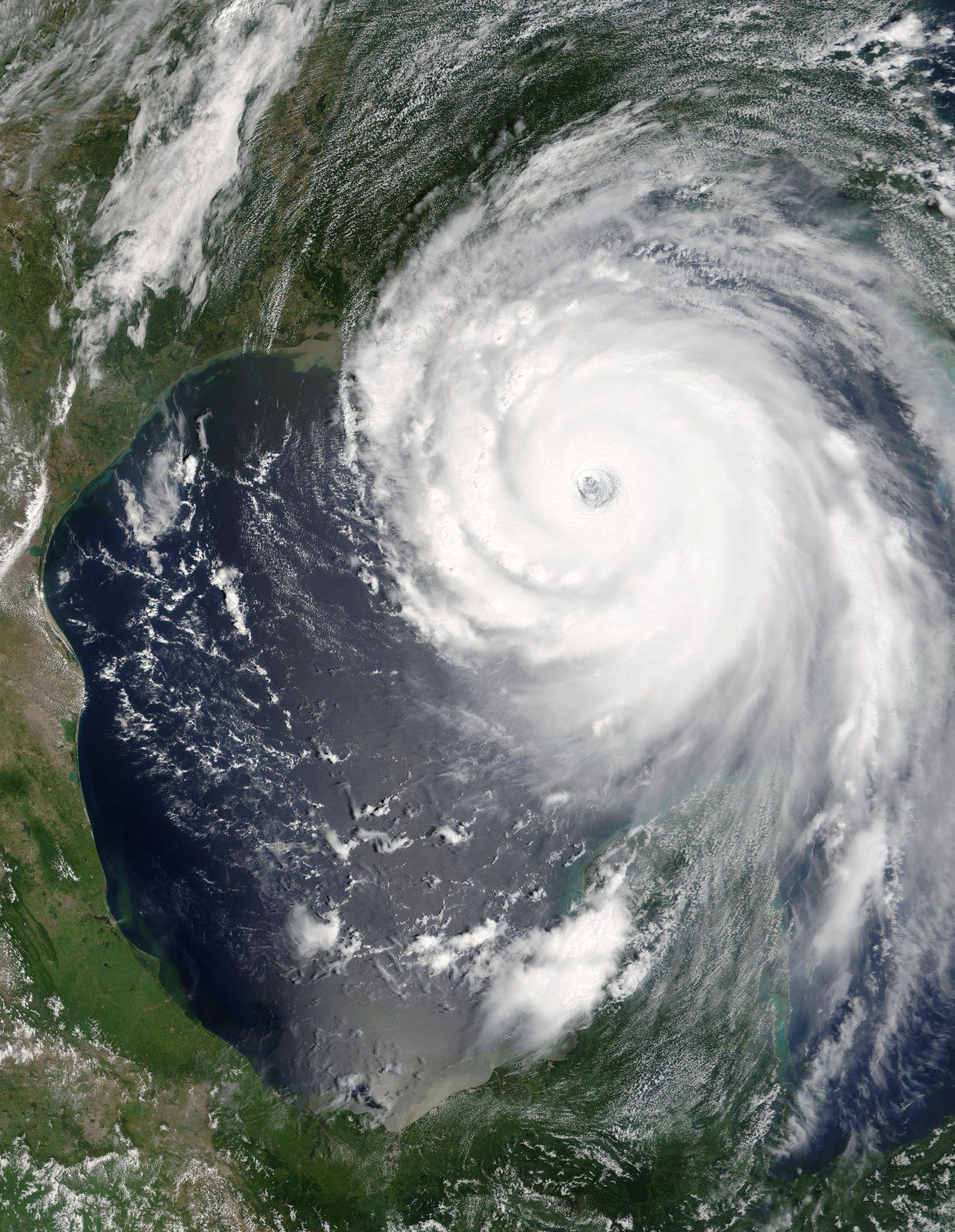
Direct answer: The Saffir-Simpson Hurricane Wind Scale ranks hurricanes from Category 1 to Category 5 using only their maximum sustained wind speed. Category 1 begins at 74 mph; Category 5 means 157 mph or higher. The number predicts wind damage to buildings — but it says nothing about storm surge, rainfall flooding, or tornadoes, which cause most hurricane deaths.
What the scale actually measures
The National Hurricane Center's scale is a 1-to-5 rating based on a hurricane's maximum sustained wind speed, and it estimates potential property damage. Hurricanes rated Category 3 and higher are called "major hurricanes," and the NHC warns that major hurricanes "can cause devastating to catastrophic wind damage and significant loss of life simply due to the strength of their winds." The most important sentence on the NHC's scale page is its fine print: "This scale does not take into account other potentially deadly hazards such as storm surge, rainfall flooding, and tornadoes."
The five categories, in plain language
Category 1 (74–95 mph): "Very dangerous winds will produce some damage." Well-constructed frame homes can suffer roof, shingle, siding and gutter damage; large tree branches snap and shallowly rooted trees may topple; power outages can last a few to several days.
Category 2 (96–110 mph): "Extremely dangerous winds will cause extensive damage." Well-constructed frame homes can sustain major roof and siding damage; many shallowly rooted trees are snapped or uprooted, blocking roads; near-total power loss is expected, with outages lasting days to weeks.
Category 3 — major (111–129 mph): "Devastating damage will occur." Well-built framed homes may lose roof decking and gable ends; many trees fall, blocking roads; electricity and water can be unavailable for days to weeks.
Category 4 — major (130–156 mph): "Catastrophic damage will occur." Well-built framed homes can lose most of the roof structure or some exterior walls; most trees are snapped or uprooted and power poles downed, isolating residential areas; outages last weeks to possibly months; most of the area is uninhabitable for weeks or months.
Category 5 — major (157 mph or higher): "Catastrophic damage will occur." A high percentage of framed homes are destroyed, with total roof failure and wall collapse; fallen trees and power poles isolate residential areas; outages last weeks to possibly months; most of the area is uninhabitable for weeks or months.
Why the number alone can mislead you
The NHC warns that "hurricanes of all categories can produce deadly storm surge, rain-induced floods, and tornadoes" — hazards that require protective action, including evacuation from surge-prone areas, whatever the category. The death toll data backs this up. A peer-reviewed NHC study of U.S. tropical-cyclone deaths from 1963 to 2012 found storm surge caused 49% of deaths and rainfall flooding another 27% — roughly 90% of deaths were water-related, while wind caused only 8%. And only 3 of the 10 deadliest storms in that period were major hurricanes at landfall; six were tropical storms or Category 1 hurricanes. A low category at landfall is not a low-danger storm.
Ready.gov puts it plainly: historically, storm surge is the leading cause of hurricane-related deaths in the United States, and hurricanes are not just a coastal problem — rain, wind, water and even tornadoes can reach far inland from the landfall point.
Using the category when a storm threatens
Treat the category as a wind-damage forecast, and everything else as a separate danger. When a hurricane or tropical storm threatens, know your evacuation zone and routes, follow instructions from local officials, and if you are told to leave, leave immediately. Never walk, swim or drive through floodwater: just six inches of fast-moving water can knock you down, and one foot of moving water can sweep your vehicle away. The Atlantic hurricane season runs from June 1 to November 30 — late October is still hurricane season, so keep watching the Tropical Cyclone Outlook through November.
Related pages on this site: the Storm Surge Safety Guide (surge is the deadliest part of most hurricanes), the Hurricane Safety Guide for full before-during-after checklists, US weather alerts by state, and the history of major storms.
Frequently asked questions
What wind speeds define each Saffir-Simpson hurricane category?
Category 1: 74–95 mph. Category 2: 96–110 mph. Category 3: 111–129 mph. Category 4: 130–156 mph. Category 5: 157 mph or higher. The scale uses the hurricane's maximum sustained wind speed, and Category 3 and above are called major hurricanes. (National Hurricane Center)
Is a Category 1 hurricane dangerous?
Yes. The NHC says Category 1 brings “very dangerous winds” that damage roofs and knock out power for days — and the scale rates wind only. Surge, flooding and tornadoes kill more people than wind: in an NHC study of 1963–2012 U.S. tropical cyclones, six of the ten deadliest were tropical storms or Category 1 at landfall.
What is a major hurricane?
A hurricane rated Category 3 or higher. The National Hurricane Center warns that major hurricanes can cause devastating to catastrophic wind damage and significant loss of life from the strength of their winds alone.
Why should I worry about a “weak” hurricane?
Because the category ignores the biggest killers. Roughly 90% of U.S. tropical-cyclone deaths from 1963–2012 were water-related — 49% storm surge and 27% rainfall flooding, versus 8% from wind, in a peer-reviewed NHC study — and hurricanes can push rain, wind, water and tornadoes far inland from the coast.
Sources
- National Hurricane Center - Saffir-Simpson Hurricane Wind Scale
- Ready.gov - Hurricanes
- Rappaport, E. N. (2014) - Fatalities in the United States from Atlantic Tropical Cyclones (NHC/WMO)
About the author
WND Editorial Team — The World Natural Disasters editorial team curates disaster information from official scientific and humanitarian sources, reviews safety guidance against public-agency recommendations, and maintains the historical database.
Written and reviewed under our editorial policy. Factual claims cite the sources listed above.
Found an error? See our corrections policy.