Ice Storms: When Rain Freezes Into a Winter Hazard
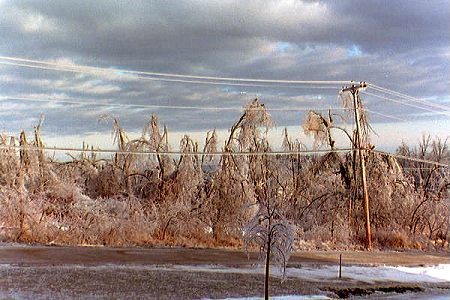
Direct answer: An ice storm is freezing rain that coats roads, trees and power lines in a layer of ice — and as little as a quarter of an inch is enough to snap branches, topple utility poles and knock out power for days. If an ice storm warning is issued for your area, stay off the roads, avoid icy surfaces, and be ready for a long power outage.
What counts as an ice storm
Freezing rain is rain that freezes when it hits the ground, coating roads, walkways, trees and power lines in ice. (Sleet is different: rain that turns to ice pellets before reaching the ground, which also makes roads slippery.) The National Weather Service defines an ice storm as freezing-rain conditions with damaging ice accumulations — significant accumulations are usually a quarter of an inch or greater — and ice of that depth pulls down trees and utility lines, cutting power and communications. An Ice Storm Warning means freezing rain is expected to lay down at least a quarter inch of ice.
Why a quarter inch of ice is so destructive
Freezing rain "can accumulate on nearly every surface, including trees, power lines, and bridges, makes it one of the most dangerous forms of winter weather," in the words of the National Weather Service. "As little as a quarter of an inch of freezing rain can create widespread power outages." Heavy ice brings down trees and topples utility poles and communication towers, and repairs can take days: after the February 2021 ice storm in central and southern Virginia, restoring power took nearly two weeks in some locations. A freezing-rain event in central Kentucky and southern Indiana left more than 100,000 customers without power from just a tenth to a quarter of an inch of ice.
Driving and walking hazards
Even small ice accumulations are extremely dangerous to motorists and pedestrians, and bridges and overpasses are particularly dangerous because they freeze before other surfaces. Then there is black ice: patchy, nearly invisible ice with the dark road surface showing through, most common in the early morning after melted snow or rain refreezes overnight. The National Weather Service notes that thousands of people are injured or killed every year in traffic accidents on slippery winter roads. On ice, do not panic and do not stomp on the brakes; slowly decelerate to a stop. During an Ice Storm Warning, the NWS advises: refrain from driving except in emergencies — roads will likely be treacherous — and refrain from walking on ice-covered surfaces outside.
Before: prepare for days without power
Prepare the home: insulation, caulking and weather stripping; learn how to keep pipes from freezing; install and test smoke alarms and carbon monoxide detectors with battery backups. Gather supplies for several days without power: medication, pet needs, extra batteries for radios and flashlights. Keep a car emergency kit — jumper cables, sand, a flashlight, warm clothes, blankets, bottled water and non-perishable snacks — and a full tank of gas. Know the alert terms: a Winter Storm Warning means hazardous winter weather is imminent or occurring; a Winter Storm Watch means it is possible; a Winter Weather Advisory means accumulations will cause significant inconveniences. Sign up for your community warning system; the Emergency Alert System and NOAA Weather Radio also carry alerts.
During: stay put and stay warm
Stay off roads if at all possible; if trapped in your car, stay inside. Limit time outside and wear layers; watch for signs of frostbite (numbness, white or grayish-yellow skin) and hypothermia (shivering, confusion, slurred speech — below 95°F is an emergency). Avoid overexertion, such as shoveling snow, which raises heart-attack risk. Never heat your home with a gas stovetop or oven, and use generators and grills only outdoors and away from windows — at least 20 feet from windows, doors and attached garages. Carbon monoxide is colorless and odorless and can kill: install working CO detectors on every level of your home.
Related pages on this site: the Severe Cold & Winter Storm Safety Guide, US weather alerts by state, and the history of major storms.
Frequently asked questions
What is an ice storm warning?
An NWS alert issued when freezing rain is expected to produce ice accumulations of at least a quarter of an inch — enough to damage trees and power lines and make walking and driving extremely dangerous.
Can just a quarter inch of ice really knock out power?
Yes. The National Weather Service says as little as a quarter of an inch of freezing rain can create widespread power outages. A freezing-rain event in central Kentucky and southern Indiana left more than 100,000 customers without power from just 0.1–0.25 inches of ice.
What is black ice?
Patchy, nearly invisible ice on roadways — clear rather than white, with the dark road showing through. It forms most often in the early morning when melted snow or rain refreezes overnight, and bridges and overpasses freeze before other surfaces.
How do I stay safe if the power goes out in an ice storm?
Stay warm in layers, limit time outside, and watch for frostbite (numbness, white or grayish-yellow skin) and hypothermia (confusion, slurred speech; below 95°F is an emergency). Never heat your home with a gas stovetop or oven; run generators only outdoors, at least 20 feet from windows and doors, and keep carbon monoxide detectors working.
Sources
- National Weather Service - Ice Storms
- National Weather Service - Winter Weather Warnings, Watches and Advisories
- Ready.gov - Winter Weather
About the author
WND Editorial Team — The World Natural Disasters editorial team curates disaster information from official scientific and humanitarian sources, reviews safety guidance against public-agency recommendations, and maintains the historical database.
Written and reviewed under our editorial policy. Factual claims cite the sources listed above.
Found an error? See our corrections policy.