Hurricane Watch vs. Warning: What Each Means and What to Do
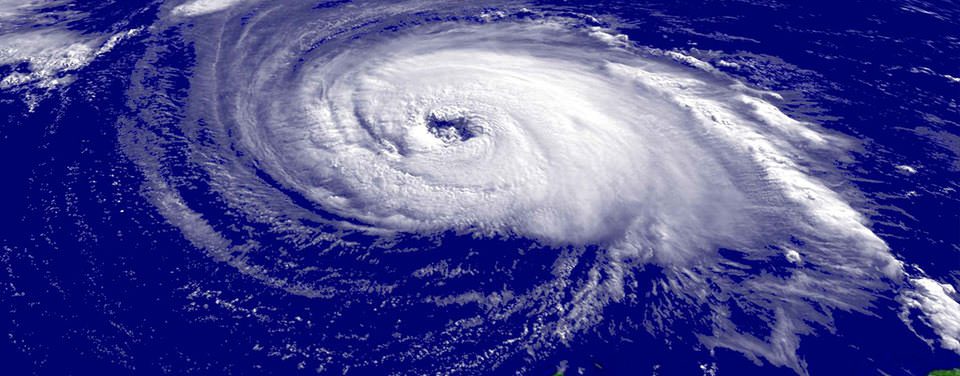
Direct answer: A hurricane watch means hurricane conditions — sustained winds of 74 mph or higher — are possible in your area, and it is issued 48 hours before tropical-storm-force winds are expected to arrive. A hurricane warning means those conditions are expected, issued 36 hours ahead. A watch is your signal to get ready; a warning is your signal to finish getting ready — and to leave immediately if local officials tell you to.
The official definitions
The difference is possibility versus expectation, and the clocks reflect how much time you have left to prepare. A hurricane watch is issued 48 hours in advance of the expected onset of tropical-storm-force winds; a hurricane warning is issued 36 hours in advance, because preparation becomes very difficult once tropical storm winds arrive, according to the National Ocean Service and the National Weather Service.
The same logic applies down the scale. A tropical storm watch means tropical storm conditions — sustained winds of 39 to 73 mph — are possible within 48 hours; a tropical storm warning means they are expected within 36 hours. There are also storm surge watches and warnings: a surge watch means life-threatening inundation from rising water moving inland is possible, generally within 48 hours; a surge warning means it is expected, generally within 36 hours. Storm surge is historically the leading cause of hurricane-related deaths in the United States, so a surge warning deserves the same urgency as a hurricane warning.
What a watch asks of you
A watch is the preparation window. NOAA's guidance: prepare your home and review your evacuation plan in case a warning is issued, and listen closely to instructions from local officials. This is the moment to bring in outside furniture, clear drains and gutters, and know your evacuation zone and routes. Do this work during the watch and you will not be scrambling during the warning.
Before the season, ready.gov asks every household in hurricane country to make an emergency plan, know their evacuation zone and routes, practice the plan with their household and pets, and set up several ways to receive alerts — the FEMA app with real-time National Weather Service alerts, community alert systems, the Emergency Alert System, and Wireless Emergency Alerts. Gather supplies for your household, including medication, disinfectant supplies and pet supplies, since you may not have access to stores for days or weeks after a storm. Remember hurricanes are not just a coastal problem: rain, wind, water and even tornadoes can reach far inland.
What a warning asks of you
Complete your storm preparations and immediately leave the threatened area if directed by local officials. That instruction comes straight from the National Ocean Service, and ready.gov repeats it: if you live in a mandatory evacuation zone and local officials tell you to evacuate, do so immediately.
If you are sheltering in place, take refuge in a designated storm shelter or an interior room for high winds. If rising water traps you, go to the highest level of the building — but do not climb into a closed attic, where you can be trapped by rising water. Never walk, swim or drive through floodwater. The campaign slogan exists because the numbers are brutal: just 6 inches of fast-moving water can knock you down, and 1 foot of moving water can sweep your vehicle away.
After the storm, stay tuned to local officials. Do not touch electrical equipment if it is wet or you are standing in water, and do not wade in floodwater — it can contain pathogens, debris, chemicals and electrically charged water from downed power lines.
Why this matters right now
The Atlantic hurricane season runs from June 1 to November 30, and the Eastern Pacific season from May 15 to November 30. Mid-October is still hurricane season. When the next system forms, the watch-versus-warning distinction is what turns a forecast into a plan: possible means prepare, expected means act. Watch the Tropical Cyclone Outlook through November, and when an alert with your county's name appears, act on the word that matters — watch or warning.
Related pages on this site: the Hurricane Safety Guide for full before-during-after checklists, the Storm Surge Safety Guide (surge is the deadliest part of most hurricanes), the Tropical Cyclone Outlook for what the National Hurricane Center is watching now, US weather alerts by state, and the history of major storms.
Frequently asked questions
What is the difference between a hurricane watch and a hurricane warning?
A hurricane watch means hurricane conditions (sustained winds of 74 mph or higher) are possible within the area, issued 48 hours before tropical-storm-force winds are expected to arrive. A hurricane warning means those conditions are expected, issued 36 hours ahead. Watch means get ready; warning means finish getting ready — and evacuate immediately if local officials direct you to.
What should I do when a hurricane watch is issued?
Prepare your home and review your evacuation plan in case a warning is issued, and listen closely to instructions from local officials. Bring in outside furniture, clear drains and gutters, know your evacuation zone and routes, and make sure you have several ways to receive alerts, such as the FEMA app and Wireless Emergency Alerts.
What should I do when a hurricane warning is issued?
Complete your storm preparations and immediately leave the threatened area if directed by local officials. If sheltering in place, take refuge in a designated storm shelter or an interior room. Never walk, swim or drive through floodwater — 6 inches of fast-moving water can knock you down and 1 foot can sweep your vehicle away.
When is hurricane season?
The Atlantic season runs June 1 to November 30, and the Eastern Pacific season May 15 to November 30. Mid-October is still hurricane season, so keep watching the Tropical Cyclone Outlook through November.
Sources
- NOAA National Ocean Service - What is the difference between a hurricane watch and a warning?
- National Weather Service - Hurricane safety brochure (PDF)
- Ready.gov - Hurricanes
About the author
WND Editorial Team — The World Natural Disasters editorial team curates disaster information from official scientific and humanitarian sources, reviews safety guidance against public-agency recommendations, and maintains the historical database.
Written and reviewed under our editorial policy. Factual claims cite the sources listed above.
Found an error? See our corrections policy.