UK Weather Warnings Explained: Yellow, Amber and Red
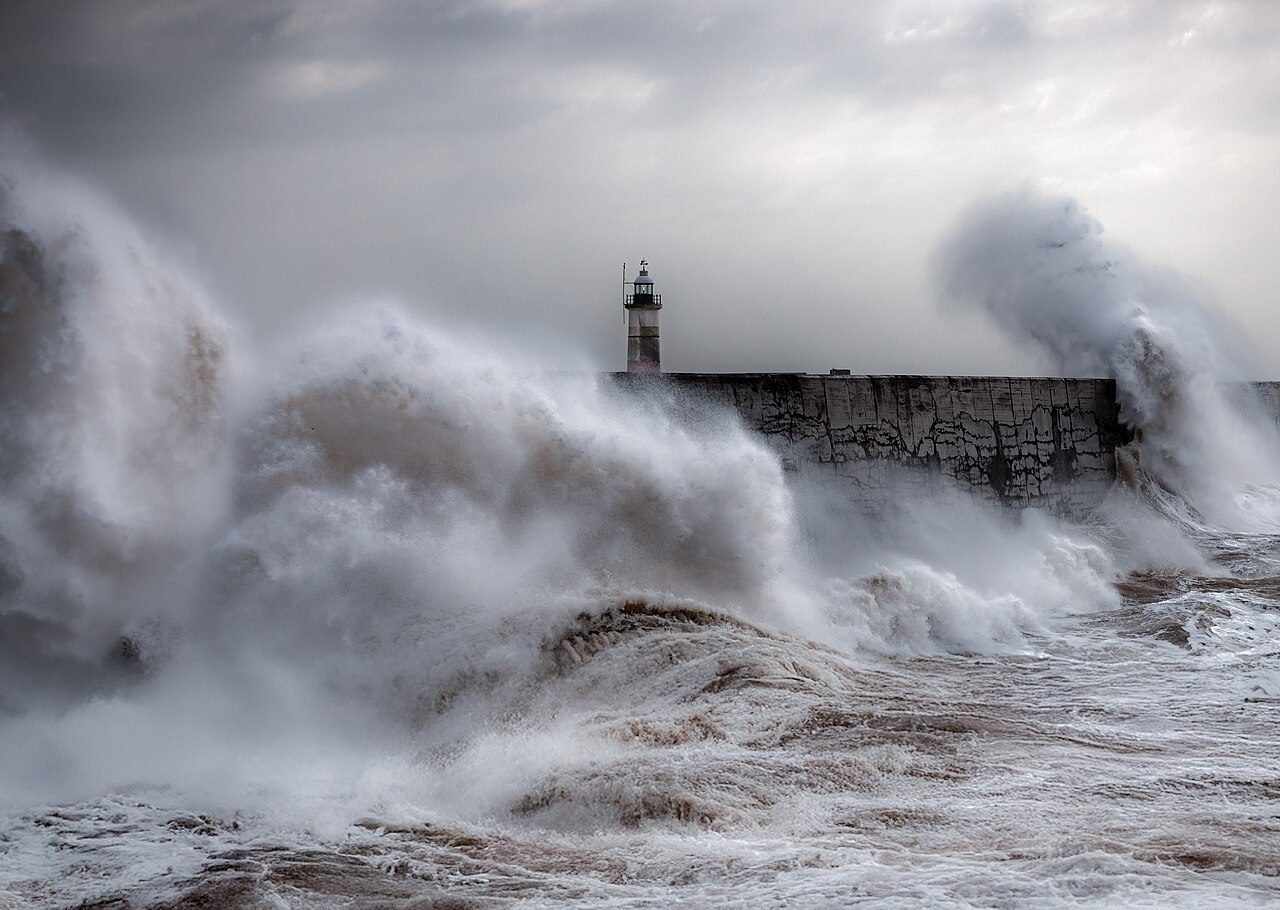
Direct answer: When the Met Office issues a weather warning for the UK, the colour tells you what to do. Yellow means be aware, amber means be prepared, and red means take action. The colour does not come from a single wind speed or rainfall total. It comes from two things multiplied together: how likely the impacts are, and how bad they would be. A warning can be issued up to seven days ahead, and it is updated as the forecast changes.
How the colour is decided
The Met Office runs the National Severe Weather Warning Service, known as NSWWS. For each weather type — rain, thunderstorms, wind, snow, lightning, ice, extreme heat and fog — forecasters weigh the likelihood of impacts against their severity. The same gust of wind does more damage over saturated ground in a built-up area than over open moorland, so the colour reflects impacts on people and infrastructure, not just the numbers. In October 2026 the Met Office harmonised its impact matrix with the four UK hydrological agencies and the Flood Forecasting Centre, so warnings for weather and flooding now speak the same language. Two warnings can run at once for the same place — a yellow warning for rain on top of a red warning for wind, for example.
Yellow — be aware
Yellow is the most common colour, and it covers two very different situations. The first is a high likelihood of moderate impacts: rain that will slow traffic, snow that will make pavements slippery. The second is a low likelihood of much bigger impacts: a storm that might, or might not, hit your area. Read the warning to find out which one applies to you. Most people carry on with their day, but if you travel, work outside or have plans that depend on the weather, check whether they are affected. A yellow warning is not a reason to cancel everything — it is a reason to check.
Amber — be prepared
Amber means there is an increased likelihood of impacts: travel delays and road and rail closures, power cuts, and a risk to life and property. Change your plans if you can, protect property before the weather arrives, and check on family, friends and neighbours who may need help. Amber warnings are rarer than yellow, and they are the level at which storms start getting names. The Met Office, Met Éireann and the Dutch weather service KNMI name a storm when it is expected to cause disruption serious enough for an amber or red warning. The 2026/27 storm list was published on 1 September 2026, with Austen the first name used, on 20 October, and Boelo the second, on 22 October.
Red — take action
Red is the rarest colour, and it means dangerous weather is expected. The likelihood of risk to life is very high, and there will be substantial disruption to travel, energy supplies and property. Avoid travel, stay indoors where you can, and follow the advice of the emergency services and local authorities. Red warnings are issued only when the risk justifies them — most people will go years without seeing one for their area.
Warnings, health alerts and storm names — do not mix them up
Not every alert you see is a weather warning. The UK Health Security Agency runs a Weather-Health Alert system with the Met Office, but only for England, and only in the cold season from 1 November to 31 March. Its four colours — green, yellow, amber and red — are weighted on public health and healthcare capacity, not on travel or property. A red cold-health alert and a red weather warning are different things, and they often appear on different days. Across Europe, the MeteoAlarm system brings together warnings from 38 national weather services. The colours are the same idea — green, yellow, orange and red — but the UK's middle colour is amber where the rest of Europe says orange.
Where to check
The Met Office publishes every warning on its website and app, with tabs for each of the next seven days, and you can sign up for email alerts for your location. Warnings also run on television and radio, and the Met Office's NSWWS data feed lets other services republish them. Check the further details in each warning: it tells you which impacts are expected, when they start and end, and which areas are covered. The same idea exists in the United States — the National Weather Service uses watches, warnings and advisories — but the thresholds and colours are different, so do not translate one system into the other. Check our weather alerts page for the US system, and our cold safety guide for what to do when the cold sets in.
Frequently asked questions
What does a yellow weather warning mean?
Be aware. It is either a high likelihood of moderate impacts, such as rain slowing traffic, or a low likelihood of much bigger impacts. Read the warning to see which one applies to you.
Is a red cold-health alert the same as a red weather warning?
No. Cold-health alerts come from the UK Health Security Agency and the Met Office, apply only in England, and are based on public-health impacts. Weather warnings are based on the impact of the weather itself. The two often appear on different days.
Why did we get a warning when nothing happened?
A warning is issued on the likelihood of impacts, not on certainty. Yellow warnings in particular can be issued when a storm might hit — if it veers away, the warning is cancelled. That is the system working, not failing.
Do other European countries use the same colours?
The idea is the same, but the words differ. MeteoAlarm brings together 38 European national services with green, yellow, orange and red. The UK uses amber instead of orange for its middle colour.
Sources
- Met Office - Weather warnings
- Met Office - Cold weather alerts
- Met Office - Storm names for 2026/27 revealed
- MeteoAlarm
About the author
WND Editorial Team — The World Natural Disasters editorial team curates disaster information from official scientific and humanitarian sources, reviews safety guidance against public-agency recommendations, and maintains the historical database.
Written and reviewed under our editorial policy. Factual claims cite the sources listed above.
Found an error? See our corrections policy.