Tsunami Safety: Move Inland, Don't Wait for a Warning
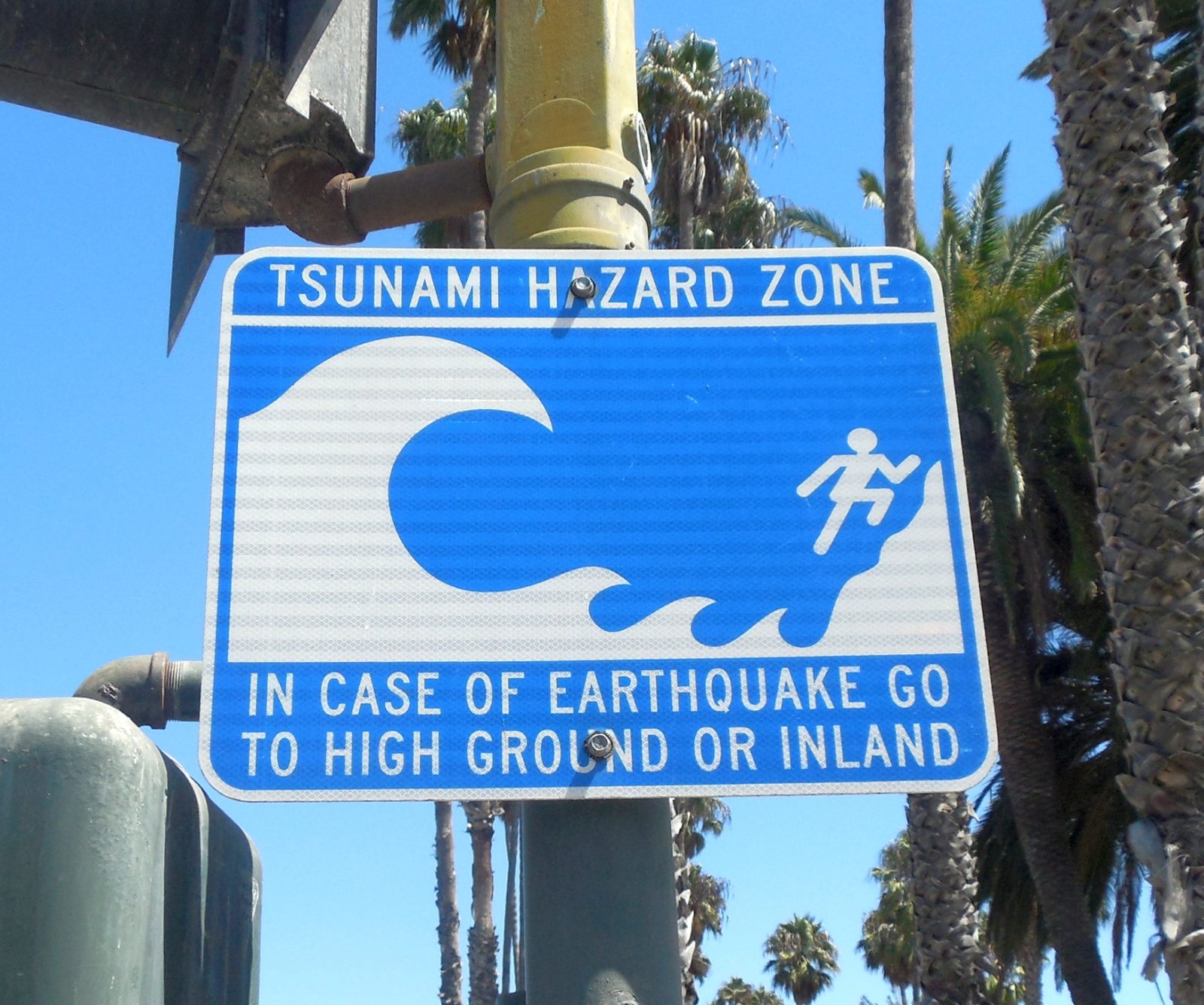
Direct answer: If you feel a strong or long earthquake at the coast, or see the ocean suddenly rise, drain, or roar, move inland or to high ground immediately — do not wait for an official tsunami warning. A locally generated tsunami can arrive before any warning is issued. Protect yourself from the shaking first (Drop, Cover, then Hold On), then, when the shaking stops, get as high and as far inland as possible, and stay there until officials give the all-clear.
What a tsunami is
A tsunami is a series of enormous ocean waves caused by earthquakes, underwater landslides, volcanic eruptions, or asteroids, according to ready.gov, the US government’s preparedness site. The waves kill and injure people and destroy buildings and infrastructure as they come in and go out. They can travel 20 to 30 miles per hour with waves 10 to 100 feet high. There is no tsunami season: they can strike any ocean coast at any time. Every coastline in the world is vulnerable, and within the United States, the coasts bordering the Pacific Ocean and the Caribbean face the greatest risk.
The three natural warning signs
NOAA lists three natural tsunami warnings: a strong or long earthquake; a sudden rise or fall of the ocean; and a loud, roaring sound — like an airplane or a train — coming from the ocean. If you experience any of these, a tsunami could be coming. Ready.gov adds the same signs: an earthquake, a loud roar from the ocean, or unusual ocean behavior, such as a sudden rise or a wall of water, or the sea suddenly draining and exposing the ocean floor. In the Philippines, the national volcanology and seismology agency PHIVOLCS teaches the same three signs as “Shake, Drop, Roar”: a felt earthquake is the shake, unusual sea-level change is the drop, and an unusual rumbling sound is the roar — and any one of the three means moving away from the shore.
Why you must not wait
This is the core of tsunami safety. Ready.gov’s instruction is explicit: “Evacuate: DO NOT wait! Leave as soon as you see any natural signs of a tsunami or receive an official tsunami warning.” And: when the shaking stops, if there are natural signs or official warnings, move immediately to a safe place as high and as far inland as possible — “listen to the authorities, but do not wait for tsunami warnings and evacuation orders.” The reason, NOAA explains, is that if a tsunami is generated near the coast, there may not be time for an official warning at all. The natural signs are the warning.
What to do: Drop, Cover, Hold On — then move
If the tsunami is caused by an earthquake, protect yourself from the shaking first: drop to your hands and knees, cover your head and neck with your arms, and hold on to sturdy furniture until the shaking stops. Crawl only if you can reach better cover without crossing more debris. Then, the moment the shaking stops, move: get to high ground as far inland as possible.
How far is far enough? Ready.gov’s target: 100 feet or more above sea level, or at least one mile inland. If you cannot get that far, the NOAA Office of Response and Restoration advises moving to the fourth floor or higher of a sturdy building. Evacuation routes are often marked with a wave symbol and an arrow pointing toward higher ground — follow them, and practice your route in advance.
If you are on the water, the rules flip: if you are in a boat, go out to sea, facing the direction of the waves. If you are in a harbor, go inland instead. If you are caught in the water, grab onto something that floats, such as a raft or tree trunk.
The danger is not over after the first wave
Tsunamis are a series of waves, and the first wave may not be the largest. NOAA warns that the danger may last for hours or days — the first wave may not be the last or the largest. Once you are in a safe place, do not return to the coastal zone until you get an all-clear from the authorities. Stay out of the tsunami hazard zone until officials tell you it is safe.
Prepare before anything happens
Know and practice your community’s evacuation plan. Some at-risk communities publish maps with evacuation zones and routes — map your routes from home, work, and anywhere you spend time near the coast. Sign up for your community’s warning system; the Emergency Alert System and NOAA Weather Radio also broadcast emergency alerts. NOAA runs two tsunami warning centers around the clock, fed by seismic and sea-level networks — but for a nearby quake, your own senses come first.
Related pages on this site: the Hurricane Safety Guide for storm preparedness more broadly, US weather alerts by state, the Tropical Cyclone Outlook, and the history archive.
Frequently asked questions
I felt a strong, long earthquake at the coast. Should I wait for an official tsunami warning before moving?
No. Protect yourself from the shaking first (Drop, Cover, Hold On), then, when the shaking stops, move immediately to high ground or inland. Ready.gov says to listen to the authorities but not wait for tsunami warnings and evacuation orders — and NOAA notes a locally generated tsunami may leave no time for an official warning.
What are the natural warning signs of a tsunami?
A strong or long earthquake; a sudden rise or fall of the ocean, including the sea draining and exposing the ocean floor; and a loud, roaring sound from the ocean, like an airplane or a train. If you notice any one of these, a tsunami could be coming — move away from the shore.
How high or how far inland should I go?
Aim for at least 100 feet above sea level or at least one mile inland. If you cannot get that far, go to the fourth floor or higher of a sturdy building. Follow evacuation routes, which are often marked by a wave symbol with an arrow pointing toward higher ground.
Can I go back to the beach after the first wave passes?
No. The first wave may not be the largest, and waves can continue for hours or longer. Stay out of the tsunami hazard zone until officials say it is safe and you have received the all-clear.
Sources
- Ready.gov - Tsunamis
- NWS - Tsunami Safety
- NOAA - NOAA raises tsunami awareness
- NOAA OR&R - Tsunamis: Know the Signs, Hear the Stories, and Get Prepared
- U.S. Tsunami Warning Centers
- PHIVOLCS via Philippine Information Agency - Shake, drop, roar
About the author
WND Editorial Team — The World Natural Disasters editorial team curates disaster information from official scientific and humanitarian sources, reviews safety guidance against public-agency recommendations, and maintains the historical database.
Written and reviewed under our editorial policy. Factual claims cite the sources listed above.
Found an error? See our corrections policy.