Tornado Watch vs. Warning: What Each Means and What to Do
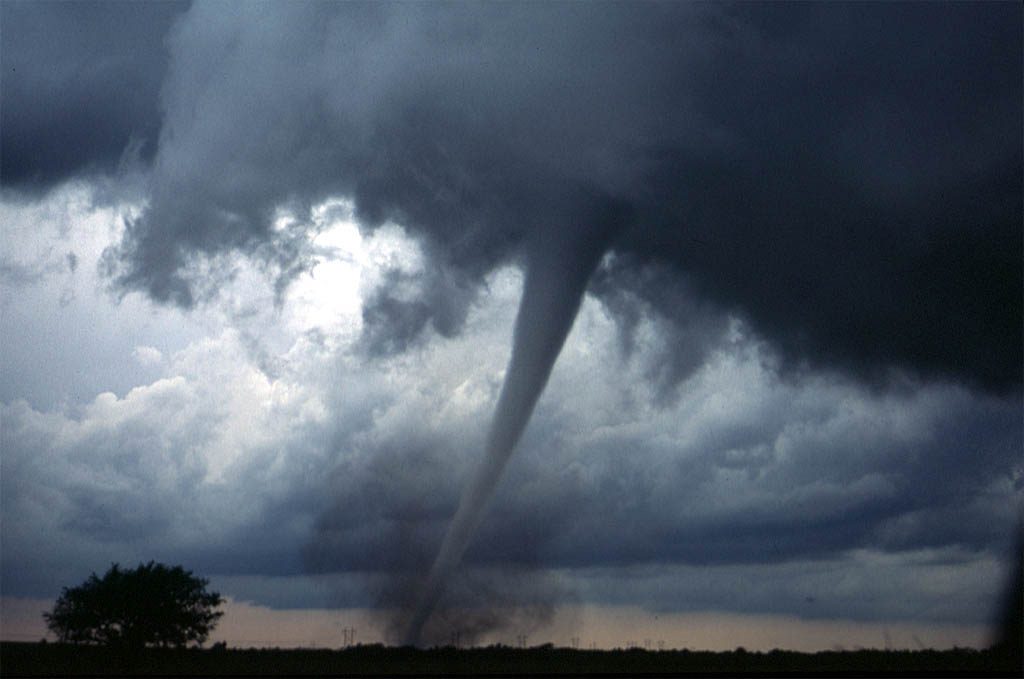
Direct answer: A tornado watch means tornadoes are possible in and near a large area — the National Weather Service's advice is "Be Prepared": review your emergency plan, check your supplies and safe room, and be ready to act if a warning is issued. A tornado warning means a tornado has been sighted or indicated by radar — "Take Action": move to shelter immediately. A tornado emergency is the highest alert of all: a violent tornado is down and catastrophic damage is confirmed.
Who issues each alert, and how big an area it covers
A Tornado Watch is issued by the Storm Prediction Center (SPC), whose meteorologists monitor conditions favourable for tornadoes around the clock across the entire United States. Watches typically cover large areas — numerous counties or even whole states. People in a watch should review their emergency plans, check supplies and their safe room, and be ready to act.
A Tornado Warning is issued by your local National Weather Service forecast office, and covers a much smaller area — around the size of a city or small county. A warning means imminent danger to life and property: a tornado has been reported by spotters or indicated by weather radar. The NSSL puts it bluntly: a tornado warning means you should act now.
A Tornado Emergency is issued when a violent tornado has touched down in the watch area — a severe threat to human life and property with catastrophic damage confirmed. The NWS says: immediately seek refuge in the safest location possible, do not attempt to outrun a tornado in a vehicle, and call friends and family in the watch area so they are aware.
Where to go when a warning is issued
The best shelter, according to ready.gov, is a safe room built using FEMA criteria or a storm shelter built to ICC 500 standards. The next best option is a small, interior, windowless room — or a basement — on the lowest level of a sturdy building. Stay away from windows, doors and outside walls, protect your head and neck, and watch for flying debris.
Leave mobile homes for a sturdy shelter before the threat arrives. The Storm Prediction Center warns that most tornadoes can destroy even tied-down mobile homes, and most tornado deaths in the United States occur in them. Manufactured homes (generally built after 1976) are somewhat stronger than older mobile homes, but only if strongly anchored down.
If you are in a car or truck, ready.gov says there is no safe option — only slightly less dangerous ones. If the tornado is visible, far away, and traffic is light, you may drive out of its path at right angles; otherwise park out of traffic lanes, stay belted with your head down, or lie in a low spot covering your head. Do not shelter under bridges: they offer little protection and create deadly traffic hazards.
Signs of a tornado: a rotating, funnel-shaped cloud, an approaching cloud of debris, or a loud roar like a freight train. Tornadoes can happen anytime and anywhere, with winds over 200 mph.
The Enhanced Fujita scale: damage, not measured winds
Tornadoes are rated with the Enhanced Fujita (EF) scale, implemented by the National Weather Service in 2007 to rate tornadoes more consistently. Crucially, strength is estimated from observed damage, not measured wind speeds — the scale uses 28 damage indicators (building types, structures, trees), each with eight degrees of damage.
The wind-speed bands (3-second gusts) are: EF0 65–85 mph; EF1 86–110; EF2 111–135; EF3 136–165; EF4 166–200; and EF5 over 200 mph. But ratings are judgment calls. The SPC notes nobody knows the true ground-level wind speeds in most tornadoes, and the same-looking damage can require very different winds depending on construction, wind direction, duration and debris — even experienced surveyors often disagree. The original scale was developed by Dr. T. Theodore Fujita in 1971; the enhanced version took effect on 1 February 2007.
When and where tornadoes strike
About 1,200 tornadoes hit the United States each year, and they have been reported in all fifty states. Official tornado records only go back to 1950, and the SPC notes that better spotting and reporting mean more tornadoes are observed now than actually occur in greater numbers.
Seasonality moves with the calendar. The southern Plains (Texas, Oklahoma, Kansas) peak in May and early June; the northern Plains and upper Midwest in June and July; the Gulf Coast earlier in spring. In the cooler months of the year, the tornado threat shifts to the Southeast — which is why autumn tornadoes concentrate in the Dixie region. Tornadoes can happen on any day of the year and at any time of day, but most occur between 4 and 9 p.m.
Night tornadoes are particularly dangerous. The SPC warns they can be incredibly difficult to see — cloaked in darkness or wrapped in rain. Spotters rely on brief blue-green to white power flashes at ground level (power lines snapped by strong wind) and persistent cloud lowering lit by lightning.
No visible funnel is required: a tornado is a cloud-to-ground vortex, developing from the ground upward rather than "touching down" from the sky.
Related pages on this site: US weather alerts by state for the warnings in force now, and the historical disaster archive for past tornado and storm events.
Frequently asked questions
What is the difference between a tornado watch and a tornado warning?
A watch, issued by NOAA's Storm Prediction Center, means tornadoes are possible in and near a large area — be prepared: review your plan and supplies. A warning, issued by your local NWS forecast office, means a tornado has been sighted or indicated by radar — take action now and move to shelter.
What is a tornado emergency?
It is the National Weather Service's highest alert level, issued when a violent tornado has touched down and catastrophic damage is confirmed. Seek refuge in the safest location immediately, do not try to outrun it in a vehicle, and warn friends and family in the watch area.
I live in a mobile home and have no basement. What should I do?
Leave the mobile home for a sturdy permanent shelter when a tornado threat is forecast — most tornadoes can destroy even tied-down mobile homes, and most US tornado deaths occur in them. Your best protection is a FEMA-criteria safe room or ICC 500 storm shelter; the next best is a small, interior, windowless room on the lowest level of a sturdy building, away from windows.
Why are tornadoes at night especially dangerous?
Night tornadoes can be incredibly difficult to see — cloaked in darkness or wrapped in rain — so spotters rely on power flashes (blue-green to white flashes at ground level where lines are snapped) and persistent cloud lowering lit by lightning.
Sources
- National Weather Service - Understand Tornado Alerts
- ready.gov - Tornadoes
- NOAA Storm Prediction Center - Tornado Frequently Asked Questions
- NOAA National Severe Storms Laboratory - Severe Weather 101: Tornado Basics
- NOAA Storm Prediction Center - Enhanced Fujita Scale
About the author
WND Editorial Team — The World Natural Disasters editorial team curates disaster information from official scientific and humanitarian sources, reviews safety guidance against public-agency recommendations, and maintains the historical database.
Written and reviewed under our editorial policy. Factual claims cite the sources listed above.
Found an error? See our corrections policy.