Tornado Shelter Safety: Where to Go When a Tornado Strikes
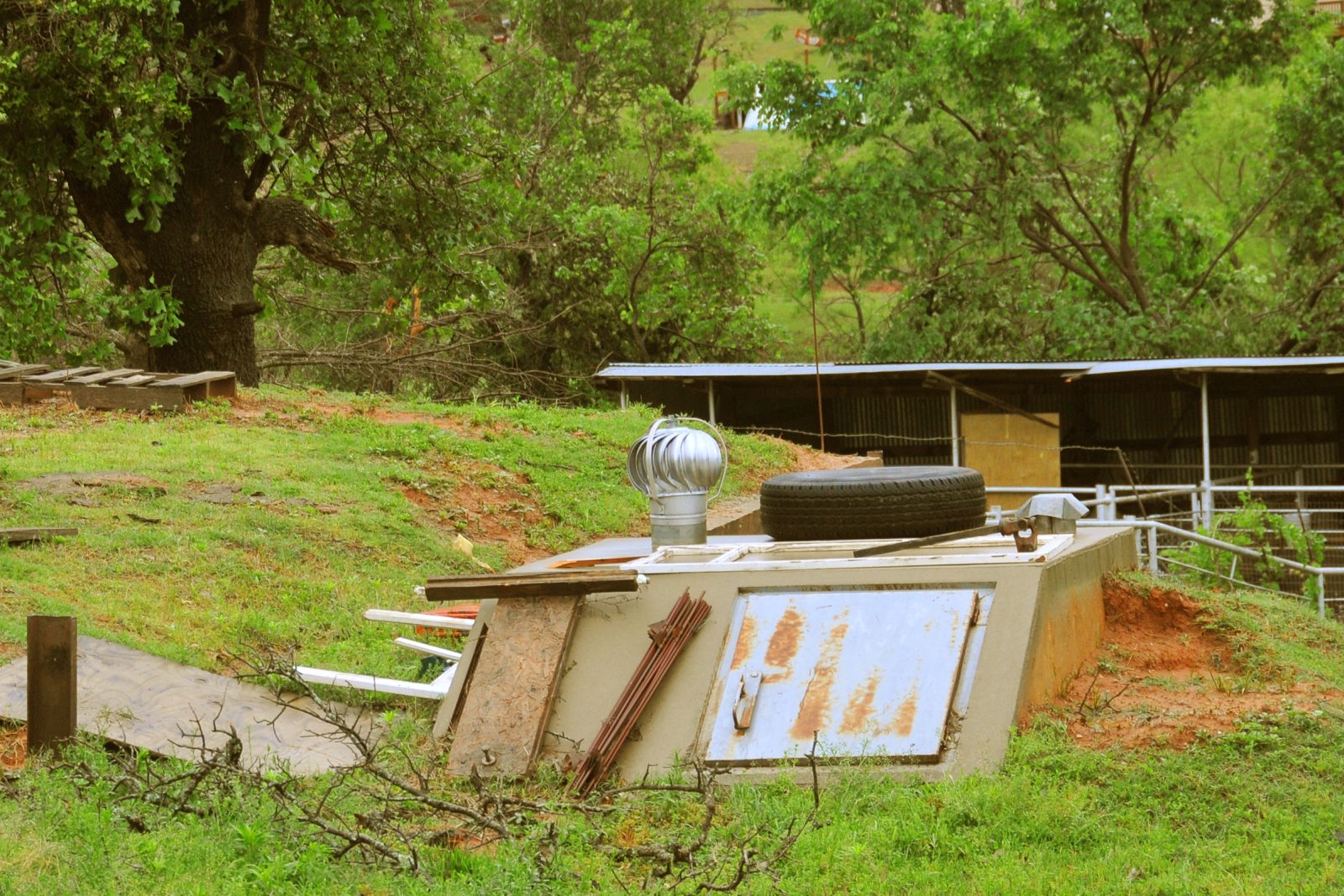
Direct answer: The safest place in a tornado is underground: a basement or a purpose-built storm shelter. If you do not have one, go to a small interior room on the lowest floor, away from windows, such as a closet, bathroom or hallway, put as many walls as possible between you and the outside, get under something sturdy, and cover yourself with blankets or a mattress. A mobile home and a car are never safe shelter in a tornado, and neither is an overpass.
At home: the safest room
The National Weather Service is blunt that there is no guaranteed safe place during a tornado, but the odds improve dramatically with the right room. The safest place in the home is the interior part of a basement. Without a basement, choose an inside room without windows on the lowest floor: a center hallway, bathroom or closet. Get under something sturdy, such as a heavy table or workbench, and cover your body with a blanket, sleeping bag or mattress. Protect your head with anything available, even your hands, and if you have a helmet, wear it: the National Weather Service notes that head injuries are the leading cause of death in a tornado.
Stay away from windows, which can shatter in high winds and turn into flying glass. Do not open them: the idea that opening windows equalizes pressure and protects the house is a myth, and the National Weather Service warns that it only wastes the seconds you need to reach shelter. Avoid sheltering where heavy objects such as pianos or refrigerators sit on the floor directly above you, since they can fall through if the tornado strikes the house.
Mobile homes and cars: leave immediately
If you live in a mobile home, you are not safe even in a weak tornado, the National Weather Service warns. Leave immediately for a nearby sturdy building or storm shelter, and plan that route before storm season, not during a warning. The same applies to a car: neither a mobile home nor a car is safe during a tornado. If no sturdy shelter is available, abandon the car or mobile home, get to a low-lying area such as a ditch, lie flat and cover your head. Never seek shelter under an overpass. The space beneath an overpass acts as a wind tunnel, funneling and speeding up the wind, and it is one of the worst places to be in a tornado.
Schools, shops and workplaces
In a school, nursing home, hospital or shopping center, go to the predesignated shelter area, which staff will usually point you to. Interior hallways on the lowest floor are usually best. Stay away from large windows and glassed areas, and stay out of large rooms with weakly supported roofs, such as dining halls and gymnasiums, which can collapse. Wherever you are, do not wait for a siren or for visual confirmation of a tornado: tornadoes form very quickly, can occur with little or no advance warning, and can happen at any time of year, even though they are most common in April, May and June.
Consider a safe room
If you live in a tornado-prone area, a safe room built to the criteria in FEMA P-361, Safe Rooms for Tornadoes and Hurricanes, is the strongest option short of a basement. FEMA notes that there has not been a single reported failure of a safe room constructed to its criteria. A safe room must still be part of a plan: know where it is, keep it clear of storage, and practice getting to it, so that when a Tornado Warning is issued, you move immediately instead of deciding under pressure.
Pick your shelter spot today, walk your family to it, and keep shoes and a helmet nearby. When a warning sounds, the decision should already be made. Check current warnings on our weather alerts page, and read about historic tornadoes on our history page.
Frequently asked questions
Is a basement always the safest place in a tornado?
The safest place in the home is the interior part of a basement, according to the National Weather Service. Without a basement, go to a small interior room without windows on the lowest floor, such as a closet, bathroom or center hallway, and get under sturdy furniture.
What should I do if I live in a mobile home?
Leave immediately for a nearby sturdy building or storm shelter. Mobile homes are not safe even in a weak tornado. If no shelter is nearby, lie flat in the nearest ditch, ravine or culvert and shield your head with your hands.
Should I open the windows when a tornado approaches?
No. That is a myth. Opening windows will not protect the structure, and it wastes the seconds you need to reach shelter. Keep windows closed and stay away from them.
Is it safe to shelter under an overpass?
No. The National Weather Service calls overpasses one of the worst places to shelter: the space beneath acts as a wind tunnel that speeds up the wind, and it puts you and everyone around you in greater danger.
Sources
- National Weather Service - Emergency Preparedness: Tornadoes
- National Weather Service - Basic tornado safety rules
- NOAA National Severe Storms Laboratory - Tornado Safety at Home
About the author
WND Editorial Team — The World Natural Disasters editorial team curates disaster information from official scientific and humanitarian sources, reviews safety guidance against public-agency recommendations, and maintains the historical database.
Written and reviewed under our editorial policy. Factual claims cite the sources listed above.
Found an error? See our corrections policy.