Home Heating Safety: Space Heaters, Fireplaces and Chimneys
Direct answer: Home heating fires rise sharply in winter, and the U.S. Consumer Product Safety Commission (CPSC) and U.S. Fire Administration (USFA) list cooking and home heating as the leading causes of residential building fires in the winter months. The rules that prevent most of them are simple: keep space heaters 3 feet from anything that can burn, have chimneys and fuel-burning heating systems inspected every year, and never use a stove or a portable generator to heat your home.
Space heaters: the 3-feet rule
Place a portable space heater on a solid, flat, level floor, never on rugs or carpets, and keep it out of foot traffic. Keep the heater at least 3 feet from bedding, drapes, furniture and anything else that can burn, and keep children and pets away from it. The USFA adds: plug space heaters directly into a wall outlet, never into an extension cord or power strip, and inspect them for cracked or damaged cords and broken plugs.
Never leave a space heater on when you go to sleep or when it is close to a sleeping person, and turn it off whenever you leave the area. Buy a heater that carries a safety certification mark and has the most up-to-date safety features. An unvented gas space heater that meets current standards shuts off if oxygen levels fall too low, but do not use a portable propane space heater indoors or in any confined space unless it is designed specifically for indoor use. Never use gasoline in a kerosene space heater.
The risk is not small. CPSC estimates that home heating was associated with an average of 33,300 fires and 180 fire deaths per year from 2005 to 2007, and the USFA calls space heaters a leading cause of home heating fires. More than one-fifth of residential fires are related to supplemental room heaters, according to USFA figures quoted by the Pennsylvania Public Utility Commission.
Fireplaces and chimneys
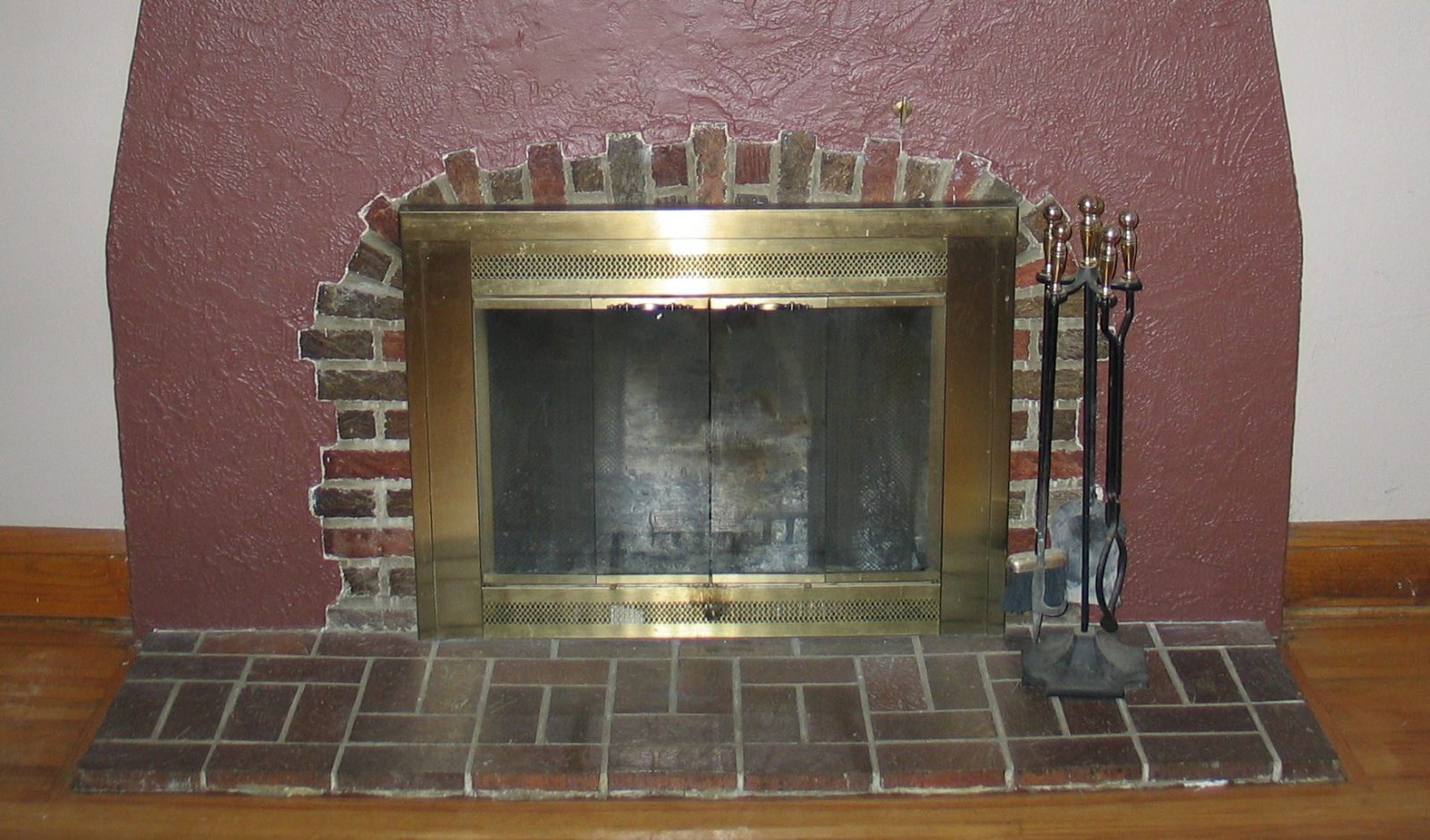
Have fireplace flues and chimneys inspected every year for leakage and blockage from creosote or debris. Open the fireplace damper before lighting a fire and keep it open until the ashes are cool. Let ashes cool completely before disposing of them, then place them in a tightly covered metal container kept at least 10 feet away from the home and any other buildings, and pour water on the ashes. Never empty ashes directly into a trash can.
Schedule a yearly professional inspection of every fuel-burning home heating system: furnaces, boilers, fireplaces, wood stoves, water heaters, chimneys, flues and vents. A blocked flue can send carbon monoxide into the home instead of up the chimney.
Carbon monoxide: the invisible killer
Carbon monoxide is odorless, colorless and poisonous, which is why the CPSC calls it the invisible killer. CPSC staff estimated an average of 184 unintentional non-fire carbon monoxide deaths per year from 2005 to 2007, most of them associated with heating systems and portable generators. Install carbon monoxide detectors with battery backup in central locations on every level of your home, and never operate a portable gasoline-powered generator in an enclosed space such as a garage, shed, crawlspace or home. Keep portable generators as far away from the home and your neighbors' homes as possible, away from open doors, windows and vents; Ready.gov puts that distance at 20 feet from windows, doors and attached garages.
Never use a gas or electric stove to heat your home. A stove is not a heater, and using one for heat raises the risk of carbon monoxide poisoning as well as fire and burns.
Smoke alarms save lives
About two-thirds of fire deaths occur in homes with no smoke alarms, or with batteries removed or dead, according to the CPSC. Put working smoke alarms on every level of the home, inside bedrooms and outside sleeping areas, and test them regularly. If you are preparing for a cold snap, check the forecast and warnings on our weather alerts page, and read our severe cold and winter storm safety guide for the wider winter plan.
Frequently asked questions
How far should a space heater be from furniture and bedding?
At least 3 feet from anything that can burn, including bedding, drapes and furniture. Place the heater on a solid, flat floor, out of foot traffic, and plug it directly into a wall outlet, never into an extension cord or power strip.
Can I use my gas or electric stove to heat my home?
No. The CPSC and Ready.gov both warn against it: a stove is not a heater, and using one for heat raises the risk of carbon monoxide poisoning, fire, burns and appliance damage.
How often should a chimney be inspected?
Every year. Have fireplace flues and chimneys inspected for leakage and blockage from creosote or debris, and have all fuel-burning heating systems professionally inspected once a year.
What should I do with fireplace ashes?
Let them cool completely, then put them in a tightly covered metal container kept at least 10 feet away from the home and any other buildings. Pour water on the ashes, and never empty them directly into a trash can.
Sources
- CPSC / USFA - Winter Weather Warning: Home Heating Safety Alert (20 January 2011)
- USFA - Pictographs: Heating
- Ready.gov - Power Outages
About the author
WND Editorial Team — The World Natural Disasters editorial team curates disaster information from official scientific and humanitarian sources, reviews safety guidance against public-agency recommendations, and maintains the historical database.
Written and reviewed under our editorial policy. Factual claims cite the sources listed above.
Found an error? See our corrections policy.