Thanksgiving Travel Safety: Plan for Winter Roads and Delays
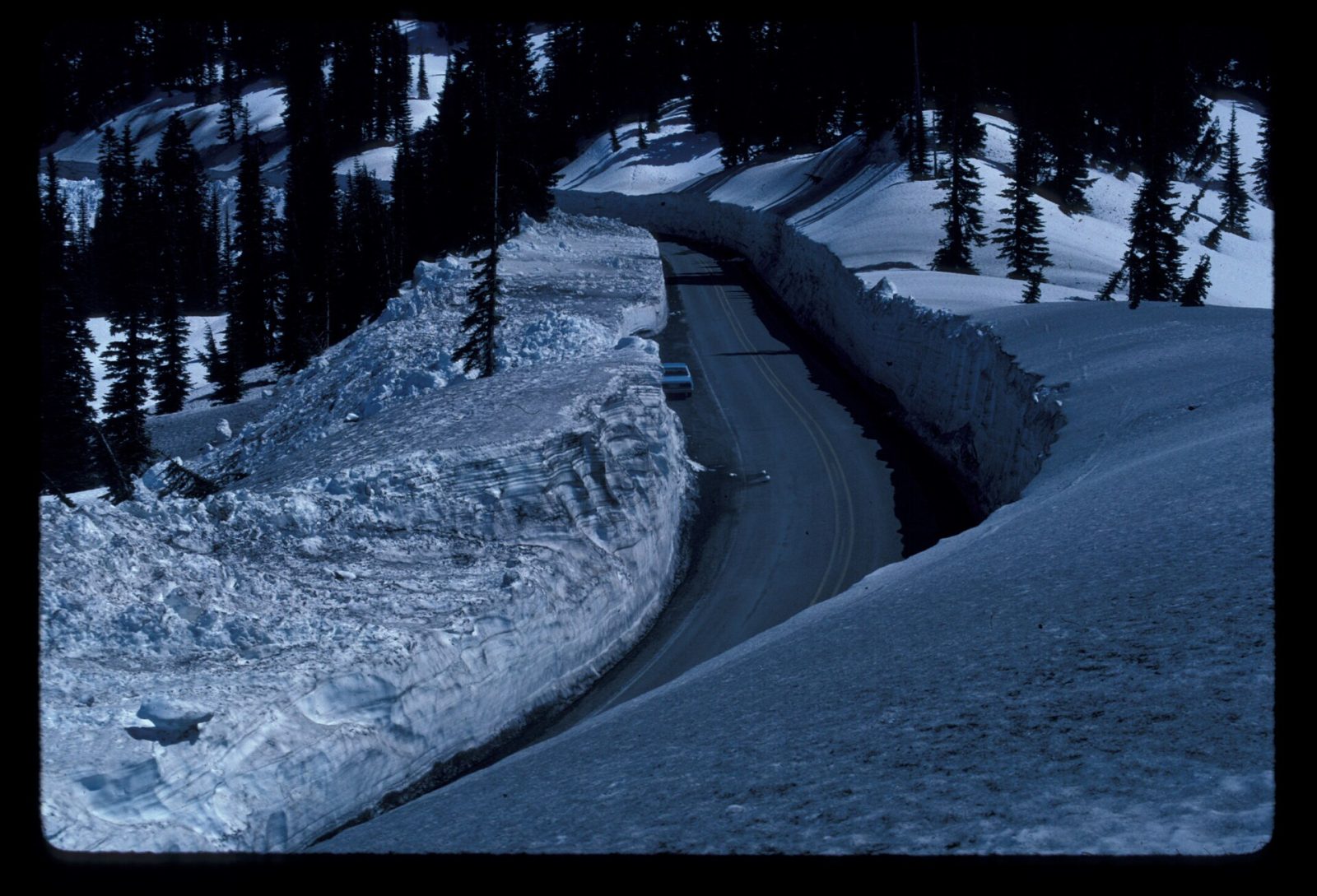
Direct answer: Thanksgiving Day 2026 falls on Thursday, November 26, and for many families the holiday means a long drive in winter weather. The National Highway Traffic Safety Administration (NHTSA) gives the same short list every winter: check the car before you leave, plan the route around the weather, pack an emergency kit, and slow down once you are on the road. A few minutes of checks at home can keep a holiday trip from turning into a rescue.
Check the car before you leave
Start with the tires. As the outside temperature drops, so does tire inflation pressure. NHTSA says to fill each tire to the vehicle manufacturer recommended inflation pressure, which is in the owner manual and on a label on the driver side door frame. Do not inflate tires to the pressure listed on the tire itself, because that number is the maximum pressure the tire can hold, not the recommended pressure for the vehicle. Check the tires when they are cold, meaning the car has not been driven for at least three hours. Make sure the tread is at least 2/32 of an inch on all tires, and use the penny test: place a penny in the tread with Lincoln head upside down, and if you can see the top of his head, the tire needs replacing. If you plan to use snow tires, have them installed in the fall so you are ready before it snows.
Have a mechanic check the battery, charging system and belts, because cold weather makes gasoline and diesel engines take more battery power to start, and it can reduce the driving range of electric and hybrid vehicles. Test the windshield wipers and replace worn blades, fill the washer reservoir with winter fluid that contains de-icer, and check that the headlights, brake lights and defrosters all work. NHTSA also offers a recalls look-up tool where you can enter the vehicle identification number to learn whether the vehicle has an open recall that needs a free repair.
Plan the route like winter depends on it
Check the local weather and traffic reports before heading out, and review directions and maps before you go, even if you use a GPS. Tell someone your route and your expected arrival time. If the roads are not in good shape, consider postponing non-essential travel until they are cleared. For a long road trip in winter weather, consider leaving early or changing the departure time to avoid being on the roads during the worst of the storm. Plan enough time to stop to stretch, get something to eat, check the phone, and change drivers or rest if you feel drowsy. Check weather alerts for every state on the route before you leave.
If children are riding along, remember that heavy winter coats can interfere with the proper harness fit on a child in a car seat. NHTSA tells parents to pick thin, warm layers for the car seat, and to place blankets or coats around the child after the harness is snug and secure. Install car seats correctly so every child rides in the right seat for their age and size.
Pack the car kit
NHTSA lists the items to carry in the vehicle for winter driving tasks and emergencies: a snow shovel, broom and ice scraper; abrasive material such as sand or kitty litter in case the vehicle gets stuck; jumper cables, a flashlight and warning devices such as flares or emergency markers; a first aid kit and any necessary personal medicines; blankets for cold protection, bottled water and non-perishable food; and a cell phone with a car charger. Keep the gas tank close to full whenever possible, and keep an electric or hybrid vehicle battery charged. For more on staying safe in the cold, see our cold safety guide.
On the road: slow down and give plows room
Drive slowly, because it is harder to control or stop a vehicle on a slick or snow-covered surface. Ready.gov advises increasing the following distance from 3 to 4 seconds to 5 to 6 seconds in winter conditions. Do not crowd a snowplow or travel beside the truck, because plows move slowly, make wide turns and stop often. Wear a seat belt on every trip, in every seat, and never drive after drinking. If the weather turns worse than expected, pull off the road in a safe place and wait it out rather than pushing on.
If you get stranded
If the car is stuck or stalled in winter weather, stay with the vehicle. Ready.gov says to stay off the roads if at all possible, and if trapped in the car, to stay inside. Run the engine for about 10 minutes each hour to run the heater and charge the phone, and open a window slightly to let fresh air in and avoid carbon monoxide poisoning. Make sure the exhaust pipe is clear of snow before running the engine. Turn on the dome light at night so rescuers can see the car, and keep the phone charged so help can find you.
Frequently asked questions
When should I check my tire pressure before a winter trip?
Check the tires when they are cold, meaning the car has not been driven for at least three hours. NHTSA says to fill each tire to the manufacturer recommended pressure on the driver side door frame label or in the owner manual, not the pressure listed on the tire itself.
How much tire tread is safe for winter driving?
NHTSA says tire tread should be at least 2/32 of an inch on all tires. Use the penny test: place a penny in the tread with Lincoln head upside down, and if you can see the top of his head, the tires need replacing.
Should children wear heavy winter coats in car seats?
No. NHTSA says heavy coats can interfere with the proper harness fit. Dress the child in thin, warm layers for the car seat, and place blankets or coats around the child after the harness is snug and secure.
What should I do if my car gets stranded in a winter storm?
Stay with the vehicle. Ready.gov says to run the engine for about 10 minutes each hour for heat, open a window slightly for fresh air, keep the exhaust pipe clear of snow, and turn on the dome light at night so rescuers can see the car.
Sources
About the author
WND Editorial Team — The World Natural Disasters editorial team curates disaster information from official scientific and humanitarian sources, reviews safety guidance against public-agency recommendations, and maintains the historical database.
Written and reviewed under our editorial policy. Factual claims cite the sources listed above.
Found an error? See our corrections policy.