Snowplow Safety: Give Plows Room to Work
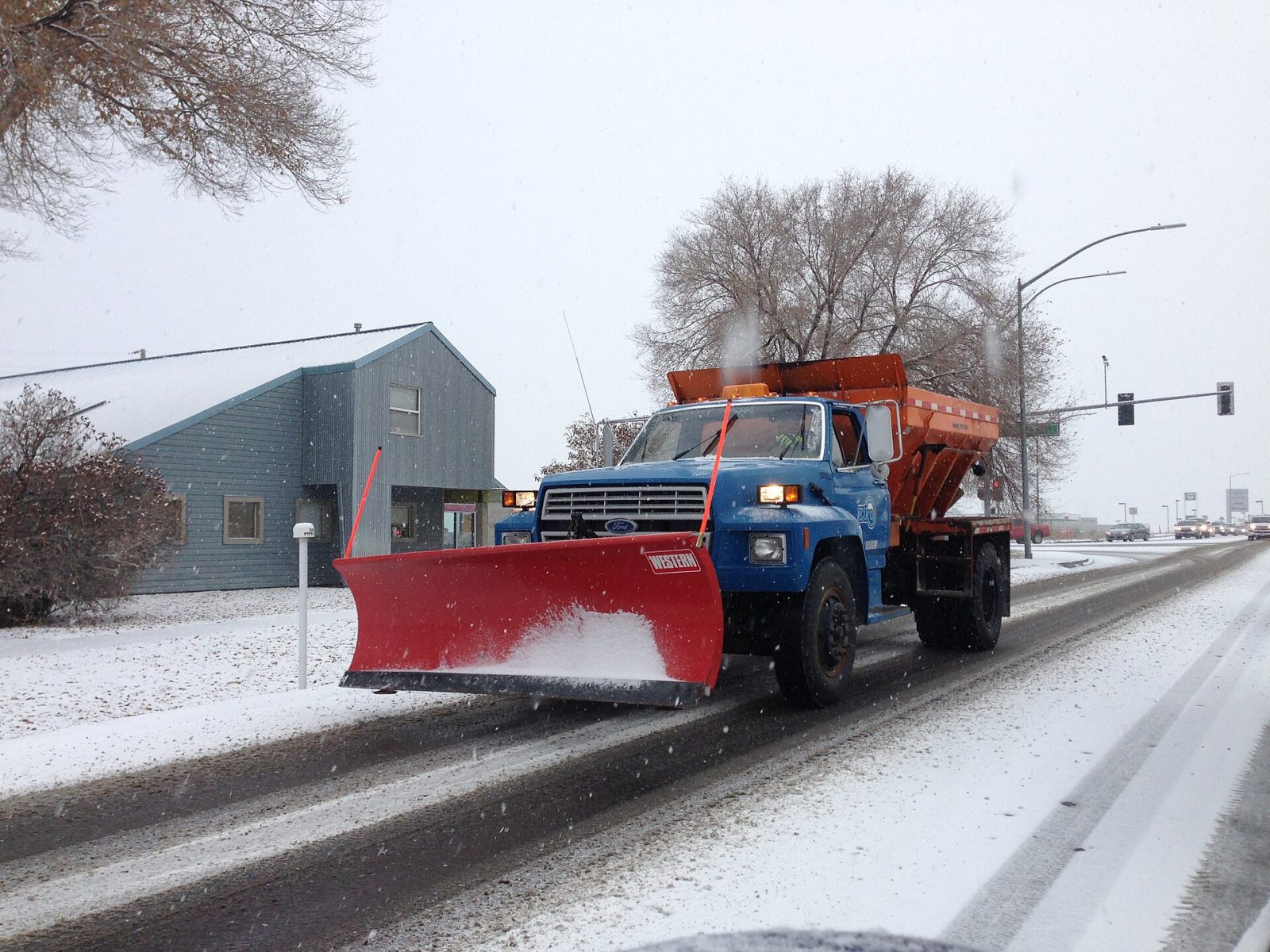
Direct answer: The safest place near a snowplow is well behind it. The Minnesota Department of Transportation (MnDOT) tells drivers to stay back at least 10 car lengths behind the plow, far from the snow cloud, and never to drive into that cloud. The road behind a plow is cleared. The road ahead of it is not. Be patient, stay alert, and let the plow do its job.
Why plows are hard to drive near
A snowplow is not an ordinary truck. MnDOT explains that plows travel much slower than the posted speed because that is the most effective speed for clearing roads. The driver field of vision is severely restricted behind the truck, so the driver must rely on mirrors to see to the rear and side. Plows turn or exit the road frequently and often with little warning, and they may travel over centerlines or partly in traffic to clear the road properly. NHTSA adds that plows make wide turns, stop often, overlap lanes and exit the road frequently, so a plow that looks predictable can change direction without warning. Wing plows can sit on the left or right side of the truck and can extend from 2 to 10 feet beyond the width of the truck, so there is far less room beside a plow than it looks like from behind. The snow cloud a plow throws up can hide the plow, the edge of the road and other vehicles completely.
The 10-car-length rule
Stay back at least 10 car lengths behind the plow, far from the snow cloud. That distance keeps you out of the cloud and gives you room to stop. Most crashes involving snowplows happen when a plow is rear-ended or hit while being passed, so passing a plow is one of the most dangerous moves on a winter road. MnDOT says the main causes of plow crashes are drivers going too fast for the conditions, driving too close to the plow, and driver inattention, and all three are choices the driver behind the plow controls. In most cases MnDOT says it makes sense to travel behind the plow, because the road behind it is the cleared road. Never pass a plow on the shoulder, and never drive into a snow cloud to get around one. Plows will pull over when it is safe to do so to let built-up traffic pass, so there is no need to force your way past.
At intersections and in town
Stay alert for snowplows near intersections, and never pull up directly behind one there. Plows back up frequently and may not see a vehicle close behind them, and they turn wide. Give them room to turn, and do not try to squeeze past a plow that is turning. Turn on the headlights when it is snowing or when weather impairs visibility, wear a seat belt, and turn off the cruise control on snow and ice, because cruise control can make a skid worse. Before you leave, check current road conditions on your state 511 service, such as 511mn.org in Minnesota, and check weather alerts along the route.
Before you drive in a storm
If the roads are not in good shape, consider postponing non-essential travel until they are cleared, as NHTSA advises. If you must go out, make sure the car is ready: tires with enough tread, a full tank of fuel, and an emergency kit with blankets, a flashlight, a shovel and a phone charger. Tell someone your route and expected arrival time, and allow extra time for the trip, because you should expect delays behind plows while the storm is still falling. The cleared lane behind a plow is the safest lane on the road. Snowplow drivers are working to make the road safe for your trip, and the few minutes you wait behind a plow are far cheaper than a crash in the snow cloud.
Frequently asked questions
How far back should I stay behind a snowplow?
Stay back at least 10 car lengths behind the plow, far from the snow cloud. The Minnesota Department of Transportation says that distance keeps you out of the cloud and gives you room to stop.
Can I pass a snowplow?
It is dangerous, and most crashes involving snowplows happen when a plow is rear-ended or hit while being passed. In most cases the Minnesota Department of Transportation says it makes sense to stay behind the plow, because the road behind it is the cleared road.
Why should I never drive into the snow cloud behind a plow?
The cloud hides the plow, the edge of the road and other vehicles, and you cannot see what is ahead. The Minnesota Department of Transportation says the safest place is well behind the plow and away from the snow cloud it creates.
What should I do when a snowplow turns or backs up near me?
Give it plenty of room. Plows turn wide, back up frequently and may not see a vehicle close behind them, so never pull up directly behind a plow at an intersection.
Sources
- Olmsted County - Don't Crowd the Plow (Minnesota DOT guidance)
- Dodge County - Snow Plow Safety (Minnesota DOT guidance)
- NHTSA - Winter Driving Tips
About the author
WND Editorial Team — The World Natural Disasters editorial team curates disaster information from official scientific and humanitarian sources, reviews safety guidance against public-agency recommendations, and maintains the historical database.
Written and reviewed under our editorial policy. Factual claims cite the sources listed above.
Found an error? See our corrections policy.