Stuck in a Snowstorm: What to Do If Your Car Is Stranded
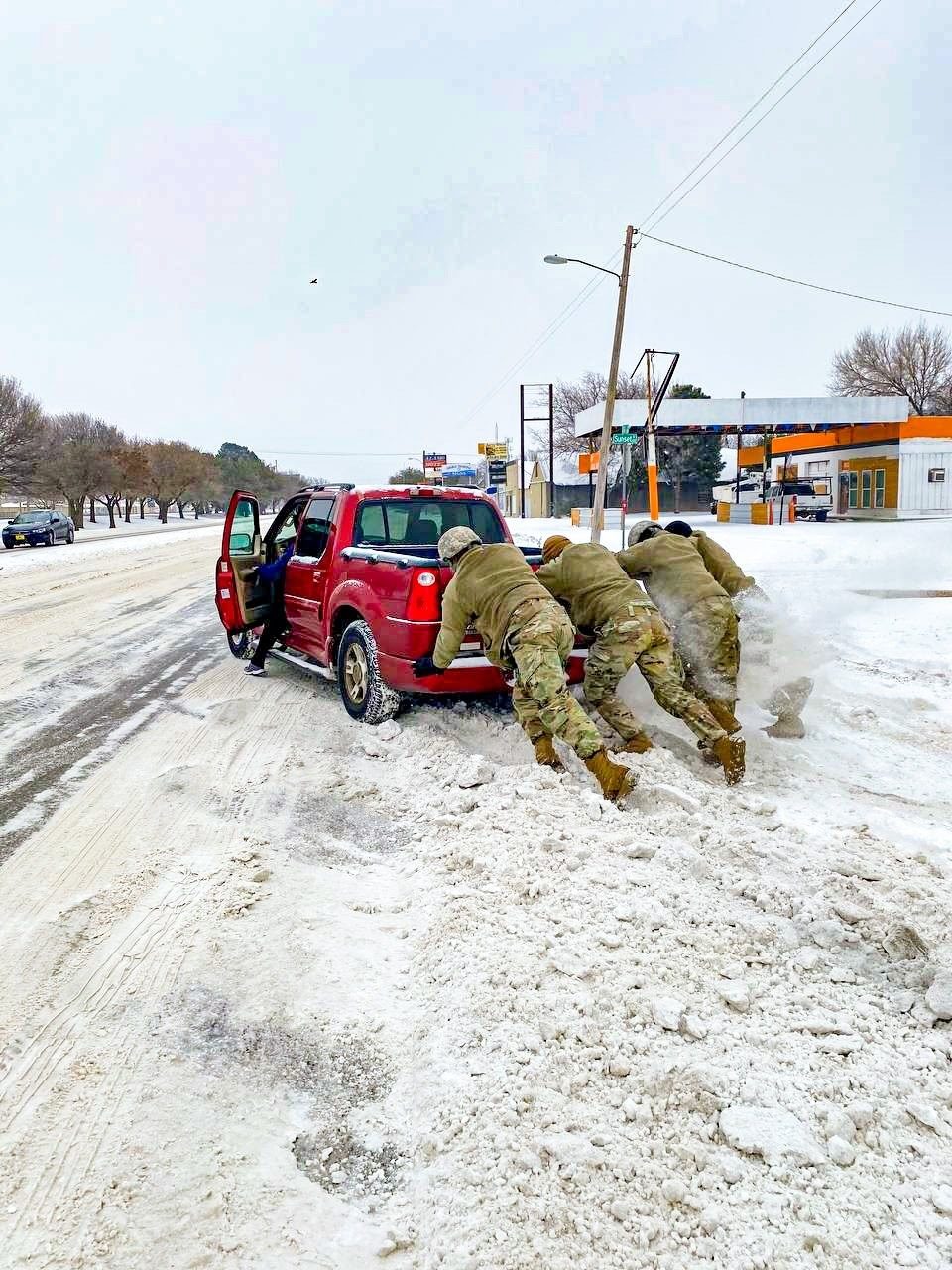
Direct answer: If your car is stranded in a snowstorm, stay in the car. The Centers for Disease Control and Prevention says staying in your car when stranded is often the safest choice when a winter storm brings poor visibility or ice-covered roads, and Ready.gov gives the same advice: if you are trapped in your car, stay inside. Your car is shelter, a signal, and a heat source — if you use it right.
Before you drive: do not get stranded in the first place
Most stranded-driver emergencies start with a trip that could have waited. The National Highway Traffic Safety Administration says to check your local weather and traffic reports before heading out, and to postpone non-essential travel if your roads are not in good shape. If you must go out, let others know your route and your expected time of arrival. The CDC adds the same rule in different words: tell someone your destination and when you expect to arrive, and ask them to notify the authorities if you are late. Keep your gas tank close to full whenever possible, so a delay does not become a crisis.
Stock the car before winter, not during the storm. NHTSA's list is short and practical: a snow shovel, a broom, and an ice scraper; abrasive material like sand or kitty litter in case your vehicle gets stuck; jumper cables, a flashlight, and warning devices such as flares or emergency markers; a first aid kit and any necessary personal medicines; blankets, bottled water, and non-perishable food; and a cell phone with a car charger. The CDC adds one more rule: always carry extra warm clothing and blankets, and do not rely on the car to provide enough heat — the car could break down.
If you get stranded: stay put and make yourself visible
Once the car stops moving in a storm, the safest place is usually inside it. Walking for help in blowing snow and near-zero visibility is how people get lost within steps of their own car. Instead, make the car easy to find. The CDC says to tie a brightly colored cloth to the antenna as a signal to rescuers, and to raise the hood of the car if it is not snowing. Then move anything you need from the trunk into the passenger area, so you do not have to keep opening the car to the cold.
Stay warm without running out of fuel
Heat is your most precious resource when you are stranded, and fuel is finite, so use both carefully. The CDC advises running the motor and the heater for about 10 minutes per hour, and opening one window slightly to let in air. Before you run the engine, make sure that snow is not blocking the exhaust pipe — a blocked pipe can push carbon monoxide into the car, and that is the hidden killer in a stranded-car emergency. While the engine is off, wrap your entire body, including your head, in extra clothing, blankets, or newspapers. Keep moving your arms and legs to improve your circulation and stay warmer, and stay awake: you will be less vulnerable to cold-related health problems. If other people are with you, huddle together for warmth. And do not eat snow — it will lower your body temperature.
Watch for cold injuries while you wait
While you wait for rescue, watch yourself and your passengers for the two cold injuries. Hypothermia — abnormally low body temperature — shows up as shivering, exhaustion, confusion, fumbling hands, memory loss, slurred speech, or drowsiness. The CDC is blunt: if a person's temperature is below 95 degrees Fahrenheit, it is an emergency, and you should get medical attention immediately. Frostbite is an injury caused by freezing, and it most often affects the nose, ears, cheeks, chin, fingers, and toes. Its signs are a white or grayish-yellow skin area, skin that feels unusually firm or waxy, and numbness. If you notice signs of frostbite, seek medical care. Before your next winter trip, check the weather alerts page and the site's cold safety guidance, and read the winter driving guide and the winter car emergency kit guide so the kit is already in the trunk when the snow starts.
Frequently asked questions
Should I stay in my car or walk for help if I get stranded in a snowstorm?
Stay in the car. The CDC says staying in your car when stranded is often the safest choice when a winter storm brings poor visibility or ice-covered roads, and Ready.gov gives the same advice: if you are trapped in your car, stay inside.
How do I keep warm without running out of gas?
Run the motor and the heater for about 10 minutes per hour, opening one window slightly to let in air. Before you run the engine, make sure snow is not blocking the exhaust pipe, or carbon monoxide can build up inside the car.
How do I signal rescuers when I am stranded?
Tie a brightly colored cloth to the antenna as a signal to rescuers, and raise the hood of the car if it is not snowing. Both are CDC recommendations for making a stranded car easy to spot.
What should I keep in my car before winter?
NHTSA recommends a snow shovel, broom and ice scraper; sand or kitty litter for traction; jumper cables, a flashlight and warning devices; a first aid kit and medicines; blankets, bottled water and non-perishable food; and a cell phone with a car charger.
Sources
- CDC - Safety Guidelines: During and After a Winter Storm
- National Highway Traffic Safety Administration - Winter Weather Driving Tips
- Ready.gov - Winter Weather
About the author
WND Editorial Team — The World Natural Disasters editorial team curates disaster information from official scientific and humanitarian sources, reviews safety guidance against public-agency recommendations, and maintains the historical database.
Written and reviewed under our editorial policy. Factual claims cite the sources listed above.
Found an error? See our corrections policy.