Shoveling Snow Safely: Protect Your Heart This Winter
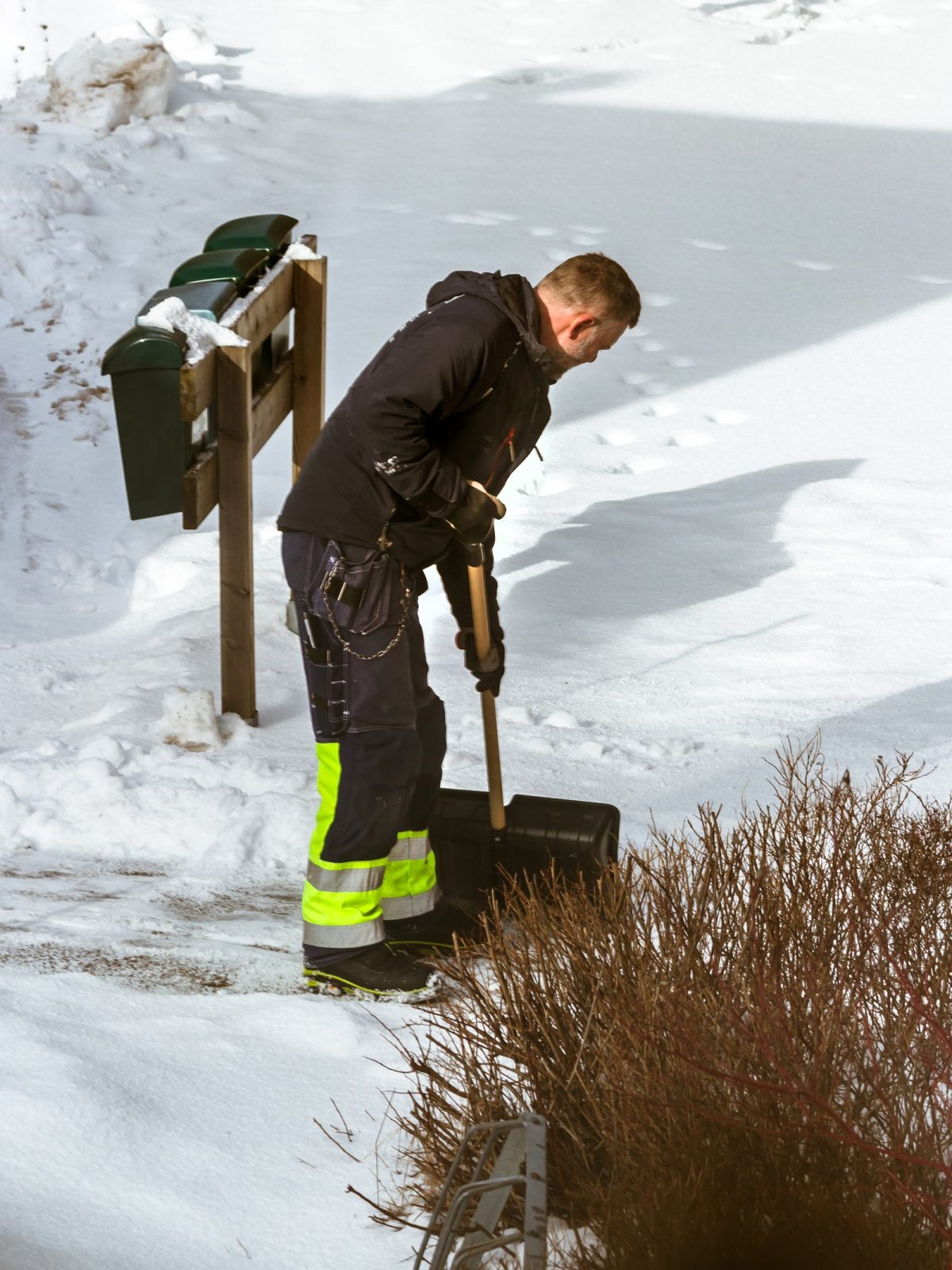
Direct answer: Shoveling snow is hard physical work, and cold weather puts extra strain on the heart. The Centers for Disease Control and Prevention advises that people with heart disease or high blood pressure follow their doctor's advice about shoveling snow or doing other hard work in the cold. The safe way to clear a driveway is simple: dress warmly, work slowly, take frequent breaks, and stop at once if you feel unwell. Never work to the point of exhaustion, and if you have a history of heart disease, do not pick up a shovel without a doctor's permission.
Why shoveling is hard on the heart
Cold air makes the heart work harder, and shoveling adds heavy lifting on top of it. New Jersey's Office of Emergency Management warns that cold weather puts additional strain on the heart and that overexertion such as shoveling heavy snow can cause a heart attack. Lifting a shovelful of wet snow again and again raises the heart rate and blood pressure, while the cold narrows blood vessels — a combination that is hardest on people who already have heart disease or high blood pressure. Sweating while you work can also lead to a chill and then hypothermia, so the state advises dressing warmly in layers and avoiding overexertion altogether when the cold is severe.
Before you pick up the shovel
Start with your doctor, not the driveway. The National Safety Council's guidance, published by the District of Columbia, is direct: if you have a history of heart disease, do not pick up a shovel without a doctor's permission, and do not shovel after eating or while smoking. Take it slow and stretch before you begin, and dress for the cold the way the CDC recommends — layers of loose-fitting, lightweight, warm clothing, with a tightly woven, water-repellent outer layer, a hat, mittens, and a scarf over your mouth. Keep a phone within reach, and sprinkle sand, rock salt, or another de-icer on icy patches on the walkway before you start, so you are not clearing snow on a slippery surface.
Shovel the safe way
Shovel only fresh, powdery snow, and push it rather than lifting it. Use a small shovel, or fill a larger one only partway, and when you do lift, lift with your legs, not your back. Work at a slow, steady pace and take frequent breaks, and stop before you are exhausted. The CDC's advice for any outside chore in winter is the same: work slowly and do not overdo it.
After you finish: warm up and change
When the driveway is clear, come inside and change out of any damp clothing. Sweating while you work can lead to a chill and then hypothermia, New Jersey's emergency guidance warns, so do not stay in wet layers. Mittens are warmer than gloves, the CDC notes, and a scarf over your mouth protects your lungs from extremely cold air — keep both on until you are back indoors and warm. Warm up gradually, and pay attention to how you feel for the rest of the day: tiredness, confusion, or shivering after time in the cold are all reasons to take hypothermia seriously.
Know the warning signs — and act fast
Know the signs of a heart attack before you start, and if you feel unwell while shoveling, stop immediately and call 911. Cold brings a second danger as well: hypothermia. The CDC lists its signs as shivering, exhaustion, confusion, fumbling hands, memory loss, slurred speech, and drowsiness. A body temperature below 95 degrees Fahrenheit is an emergency — get medical attention immediately. Never eat snow while you work: the CDC warns it will lower your body temperature. In a blizzard — sustained winds of 35 miles per hour or more with visibility under a quarter of a mile for at least three hours — stay indoors and do not drive. Check the site's weather alerts page and its cold safety guidance before heading out.
Frequently asked questions
Can I shovel snow if I have heart disease?
Only if your doctor says it is safe. The CDC advises people with heart disease or high blood pressure to follow their doctor's advice about shoveling, and the National Safety Council's guidance is that anyone with a history of heart disease should not pick up a shovel without a doctor's permission.
Is it better to push snow or lift it?
Push it. Shovel only fresh, powdery snow, push it rather than lifting it, and use a small shovel or fill a larger one only partway. When you do lift, lift with your legs, not your back.
How do I know if I am overdoing it?
Take it slow, take frequent breaks, and never work to the point of exhaustion. If you feel unwell at any point, stop immediately and call 911.
What are the signs of hypothermia while shoveling?
Shivering, exhaustion, confusion, fumbling hands, memory loss, slurred speech, and drowsiness. A body temperature below 95 degrees Fahrenheit is an emergency, so get medical attention immediately.
Sources
- Centers for Disease Control and Prevention - Safety Guidelines: During & After a Winter Storm
- New Jersey Office of Emergency Management - Winter
- District of Columbia - Snow Safety Tips for Shoveling Snow
About the author
WND Editorial Team — The World Natural Disasters editorial team curates disaster information from official scientific and humanitarian sources, reviews safety guidance against public-agency recommendations, and maintains the historical database.
Written and reviewed under our editorial policy. Factual claims cite the sources listed above.
Found an error? See our corrections policy.