Ice Dams: The Hidden Winter Roof Hazard
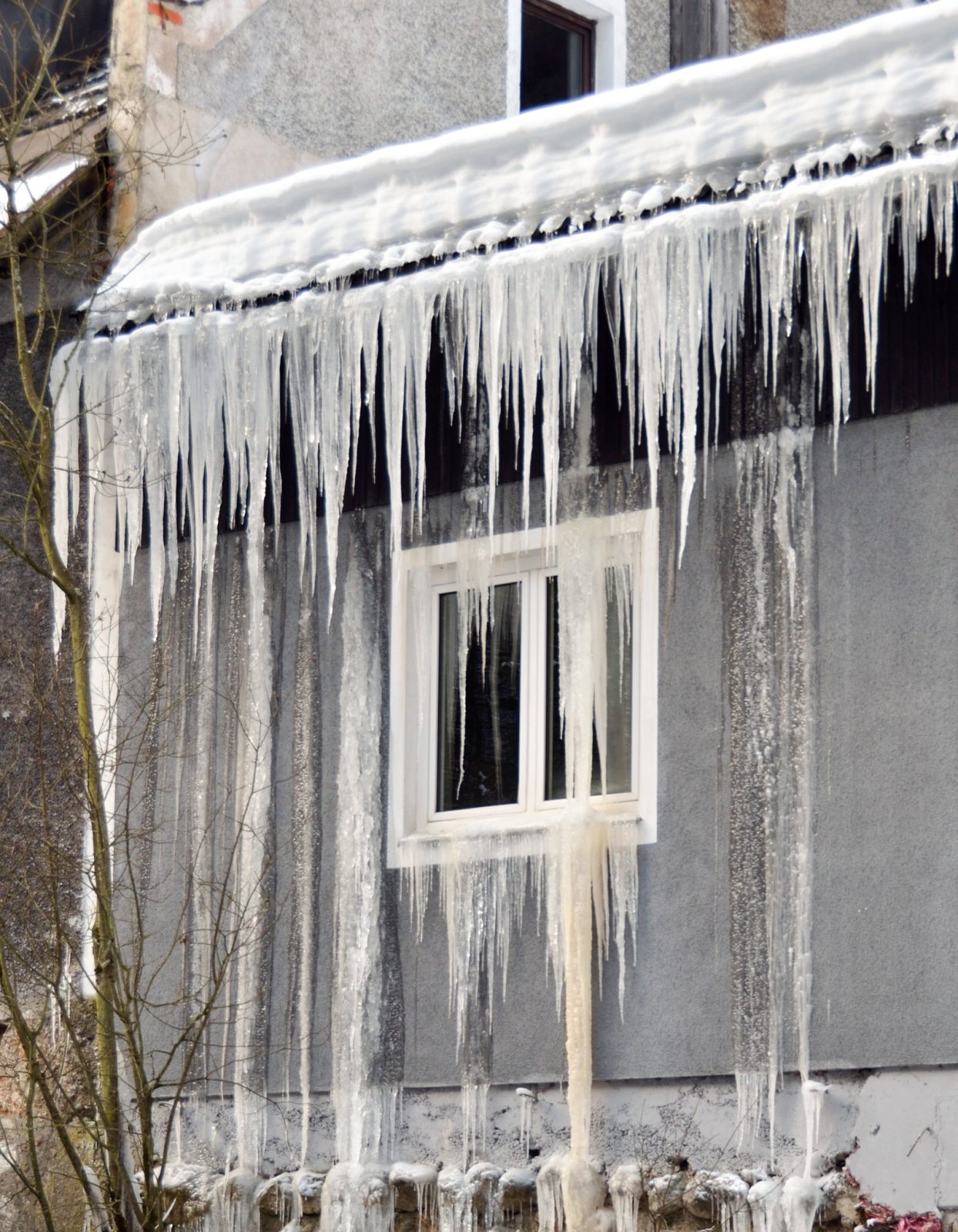
Direct answer: An ice dam is a ridge of ice that forms at the edge of a roof and prevents melted snow from draining off. It happens when snow sits on the roof while the upper part of the roof surface is above 32 degrees Fahrenheit and the lower part is below 32 degrees. Heat escaping from the house — mostly warm air leaking into the attic — melts snow high on the roof. The meltwater runs down to the cold eaves, refreezes, and builds into a dam. Water trapped behind the dam can back up under the shingles and leak into the house, damaging ceilings and walls. Icicles hanging from the eaves are often a sign that water is building up behind a dam, and in the worst case, enough accumulated water and ice can overwhelm the roof structure.
What an ice dam needs to form
The U.S. Department of Energy's Building America Solution Center lists three ingredients: snow on the roof, a poorly air-sealed or poorly insulated attic, and freezing temperatures. Dams can form with as little as 2 inches of snow on a roof. When heated air from the house escapes into the attic, it warms the underside of the roof deck and melts the snow above. The meltwater runs down until it reaches the cold eaves, where it refreezes. As the melting and freezing cycle repeats, the ice ridge grows, and a puddle of liquid water forms on the roof above the eave. The University of Minnesota Extension adds that heat from the house is the main cause, and that air leakage is the major way that heat reaches the attic.
The damage they cause
The trapped water does its damage quietly. It can be drawn up beneath the shingles by capillary action, leak through the roof deck, and stain or soak the ceilings and walls below. The University of Minnesota Extension warns not to repair the interior damage until the ceilings and walls are dry, since wet materials need time to dry out before repairs will hold. A heavy dam also adds weight to the roof: the Department of Energy notes that if enough water and ice accumulates, it could overwhelm the roof structure and cause a collapse.
What to do if you already have one
Removing an ice dam means working on an icy roof, which is dangerous, so the University of Minnesota Extension advises contacting a professional rather than climbing up yourself. Inside the house, the priority is to limit the damage and let wet ceilings and walls dry fully before any repair is attempted. As an added layer of protection against leaks if a dam forms again, building codes often require a self-adhered membrane on the roof deck along the eaves.
The lasting fix: seal, insulate, ventilate
The lasting fix starts in the attic, not on the roof. The University of Minnesota Extension puts the remedies in order: first, make the ceiling airtight; second, add insulation. Ventilation alone is not enough, and only small amounts are needed. Mechanical attic ventilation is not recommended in Minnesota, where it can cause moisture problems and put the house under negative pressure. The best step is to hire an energy professional, who can use a blower door test and an infrared camera to find the leaks. The Department of Energy agrees that air sealing is the most important step: common leak points include gaps around electrical wiring, recessed can lights, plumbing stacks, furnace flues and chimneys, attic hatches and stairs, top plates, and ceiling drywall seams. After sealing, the attic should be thoroughly insulated and the roof ventilated so the deck stays cool — with an air gap of at least 2 inches between the top of the insulation and the underside of the roof deck, and baffles that keep insulation out of the soffit vents while directing cooling air up along the underside of the deck to the ridge vents. For more on preparing your home for winter, see the site's cold safety guidance.
Frequently asked questions
What causes an ice dam?
Three things together: snow on the roof, a poorly air-sealed or poorly insulated attic, and freezing temperatures. Warm air leaking from the house into the attic melts snow high on the roof, and the meltwater refreezes at the cold eaves.
Are icicles a warning sign?
Often, yes. Icicles at the eaves are frequently a sign that water is building up behind a dam on the roof, so a thick curtain of icicles is worth investigating rather than admiring.
Can I remove an ice dam myself?
Working on an icy roof is dangerous, so the University of Minnesota Extension advises contacting a professional. Inside, let wet ceilings and walls dry fully before repairing any damage.
What is the permanent fix for ice dams?
Seal the air leaks in the ceiling first, then insulate the attic thoroughly, and ventilate the roof so the deck stays cool. Hire an energy professional, who can find the leaks with a blower door test and an infrared camera.
Sources
- University of Minnesota Extension - Dealing with and preventing ice dams
- U.S. Department of Energy, Building America Solution Center - Attic Air Sealing, Insulating, and Ventilating for Ice Dam Prevention
About the author
WND Editorial Team — The World Natural Disasters editorial team curates disaster information from official scientific and humanitarian sources, reviews safety guidance against public-agency recommendations, and maintains the historical database.
Written and reviewed under our editorial policy. Factual claims cite the sources listed above.
Found an error? See our corrections policy.