Rapid Intensification: When Hurricanes Explode in Strength
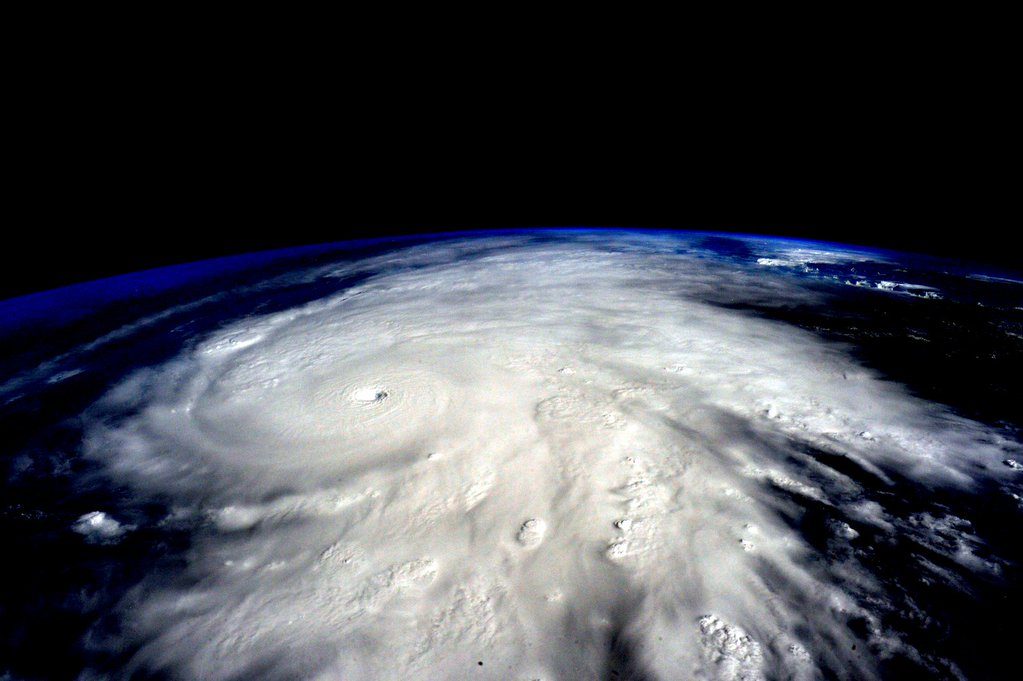
Direct answer: Rapid intensification is when a tropical cyclone's maximum sustained winds increase by at least 30 knots — about 35 mph — in 24 hours, according to the U.S. National Hurricane Center's official glossary. It means a storm can go from a tropical storm to a major hurricane in a single day, and it is one of the hardest things in weather forecasting to predict in advance.
What rapid intensification looks like
Wind speed in tropical cyclones is always changing, so forecasters needed a consistent line between ordinary strengthening and something unusually fast. The NHC sets that line at 30 knots (about 35 mph, or 56 km/h) of added wind in 24 hours. It applies to any tropical cyclone — a depression, a tropical storm, or a hurricane — and it can happen far from land, long before landfall is a question.
The record-holder for speed shows how extreme it can get: Hurricane Patricia in 2015 strengthened by 105 knots in 24 hours, the fastest intensification ever recorded, according to NOAA. Hurricane Michael in 2018 gained 65 knots in the 48 hours before it made landfall, climbing from 70 to 135 knots. A storm can look manageable on one advisory and be a completely different storm on the next day's.
The 30-knot line is not arbitrary. Researchers John Kaplan and Mark DeMaria chose it in a 2003 peer-reviewed study because it marks roughly the 95th percentile of day-to-day intensity changes over water in the Atlantic — only about one storm in twenty strengthens that fast, and the National Hurricane Center adopted their threshold as its official definition. To feel what that means: the NHC's Saffir-Simpson scale puts a Category 1 hurricane at 74 to 95 mph and a Category 3 at 111 to 129 mph, so a 90-mph Category 1 that rapidly intensifies can wake up as a 125-mph Category 3 — a major hurricane — the next day. Wind damage, storm surge and rainfall all scale up with that jump.
Why forecasters can miss it
Rapid intensification needs a near-perfect environment: very warm ocean water as fuel, low wind shear, and humid air around the storm. All of these can shift over small areas and short times, and the storm's own inner core reorganises as it strengthens. In 2018, the National Hurricane Center correctly anticipated rapid intensification in only 5 of 36 cases, according to NOAA — a stark reminder that even the best models struggle with it.
The practical consequence is a forecast that can change faster than people's plans. A storm forecast as a tropical storm at breakfast can be a major hurricane by the next advisory cycle, and evacuation zones, storm-surge risk and rainfall all scale with that stronger storm.
What to do: prepare early, don't wait for the category
October is still hurricane season — the Atlantic season runs to November 30 — so the lesson is live right now: finish your preparations before a storm is anywhere near you, because the storm you prepare for may not be the storm that arrives.
The official guidance at ready.gov for hurricanes: know your evacuation zone and routes, have an emergency plan, keep an emergency kit and go bag ready, and strengthen your home before a storm threatens. When a storm is approaching, follow every update — the forecast track may barely move while the intensity jumps — and if local officials order an evacuation, go immediately. Never try to ride out a storm because it is "only" a tropical storm today; categories describe the storm right now, not the storm it will be tomorrow.
The mindset to carry through the season is this: prepare for the storm it could become, not just the storm it is. Rapid intensification is the reason the National Hurricane Center's intensity forecasts deserve as much attention as the track — and why the safest preparation is finished long before any watch is issued. Check the Tropical Cyclone Outlook regularly through November, keep your kit packed, and treat every approaching storm as if it might strengthen overnight. Sometimes it does.
Related pages on this site: the Hurricane Safety Guide for full before-during-after checklists, the Storm Surge Safety Guide (surge scales with the stronger storm), the Tropical Cyclone Outlook for what the NHC is watching now, US weather alerts by state, and the history of major storms.
Frequently asked questions
What exactly counts as rapid intensification?
The National Hurricane Center defines it as an increase in a tropical cyclone's maximum sustained winds of at least 30 knots (about 35 mph) in 24 hours. It can apply to a tropical depression, tropical storm, or hurricane — not just major hurricanes.
Can rapid intensification happen over land?
No. A tropical cyclone gets its energy from warm ocean water, so rapid intensification happens over the sea. Once a storm moves over land it is cut off from that fuel and weakens — though its rain and flooding can stay dangerous.
Why is it so hard to forecast?
The conditions that drive it — warm water, low wind shear, humid air — can vary over small areas and short times, and the storm's inner core reorganises as it strengthens. In 2018 the NHC correctly anticipated rapid intensification in only 5 of 36 cases, per NOAA.
What should I do if a storm near me might rapidly intensify?
Finish your preparations early: know your evacuation zone, have an emergency kit and go bag ready, and follow every NHC update. If local officials order an evacuation, leave immediately — don't wait to see the storm's final category.
Sources
- NHC - Glossary of NHC Terms (rapid intensification definition)
- NHC - Saffir-Simpson Hurricane Wind Scale
- Kaplan & DeMaria (2003) - definition origin (peer-reviewed, DOI)
- NOAA ICAMS - Tropical Cyclone Rapid Intensification session (record & forecast stats)
- Ready.gov - Hurricanes
- NASA - Hurricane Patricia from the International Space Station (image provenance)
About the author
WND Editorial Team — The World Natural Disasters editorial team curates disaster information from official scientific and humanitarian sources, reviews safety guidance against public-agency recommendations, and maintains the historical database.
Written and reviewed under our editorial policy. Factual claims cite the sources listed above.
Found an error? See our corrections policy.