Pet Safety in Disasters: Prepare Your Animals Too
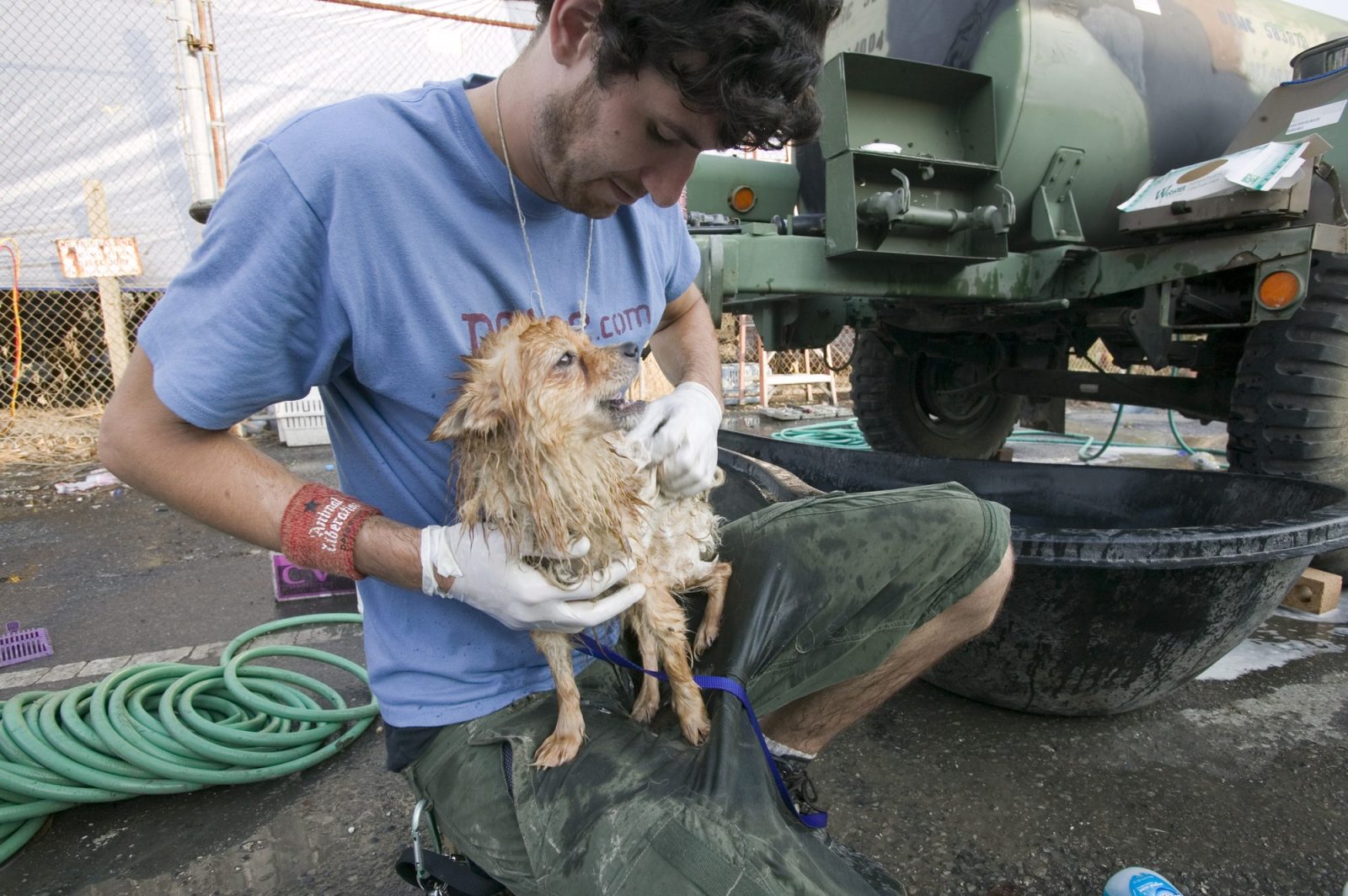
Direct answer: Pets are family, and they need a place in your emergency plan. That is how Ready.gov puts it: make a plan, build a kit, and stay informed. The most important rule is simple: if local officials ask you to evacuate, your pet should evacuate too, because pets left behind may end up lost, injured or worse. Planning for pets is not an extra; it is part of planning for your household. A little preparation now keeps you from facing an impossible choice when a disaster warning arrives.
Make an evacuation plan for your pet
Start with a destination. Many public shelters and hotels do not allow pets, so know a safe place for your pet in advance rather than discovering the problem at the shelter door. Set up a buddy system with neighbors, friends or relatives who can take your pet if you cannot get home. Microchip your pet and keep the registered address and phone number up to date, and add an emergency contact outside your area. If you are unsure where to go, contact your local emergency management office, animal shelter or animal control office for advice.
Build a pet emergency kit
Ready.gov recommends two kits: a larger kit for sheltering in place and a lightweight version for evacuation. Review both regularly so food and medicines stay fresh. Pack several days of food in an airtight, waterproof container, a water bowl and several days of water, and an extra supply of your pet's regular medicine in a waterproof container. Add a first aid kit assembled on your veterinarian's advice, a collar with an ID tag plus a harness and leash, with a backup leash, collar and ID tag. Include copies of registration and other relevant documents in a waterproof container and in electronic form, a traveling bag, crate or sturdy carrier, ideally one per pet, and grooming items. For sanitation, pack pet litter and a litter box if appropriate, newspapers, paper towels, plastic trash bags and household chlorine bleach. Finally, add a picture of you and your pet together, which proves ownership if you are separated, and familiar toys, treats and bedding to reduce stress.
Get your pet used to the carrier
Do not wait until evacuation day to introduce the carrier. Bring your pets with you when you evacuate, and prepare by leaving the carrier out where your pet visits, leaving it open, placing treats near and inside it, and putting a favorite blanket or bed inside. Note where your pets hide, so you can find them quickly when minutes matter. Practice short trips in the carrier before an emergency, so the carrier itself does not add panic to an already frightening day.
Large animals need an earlier plan
Horses, goats, pigs and other large animals need more preparation, not less. Ready.gov advises preparing in advance, making sure all animals are identified, and evacuating animals earlier whenever possible. Map primary and secondary routes, and make sure vehicles, trailers, handlers and drivers are ready. Do not rely on a single route, since roads can close without warning. Know destinations in advance that can provide food, water, veterinary care and handling equipment. If evacuation is impossible, decide in advance whether animals will shelter in a barn or be turned loose outside.
Stay informed, and bring pets inside early
Sign up for wireless emergency alerts and listen to local officials about whether to evacuate or shelter in place; the FEMA app carries National Weather Service alerts. Always bring pets indoors at the first sign or warning of a storm or disaster, rather than waiting for conditions to worsen. Check warnings on our weather alerts page before a storm arrives, and keep your pet's plan with the rest of your household emergency plan.
Frequently asked questions
Should my pet evacuate with me?
Yes. If local officials ask you to evacuate, your pet should evacuate too. Pets left behind may end up lost, injured or worse, and many public shelters and hotels do not allow pets, so plan a pet-friendly destination in advance.
What goes in a pet emergency kit?
Several days of food and water, extra medicine, a first aid kit, a collar with ID tag, harness and leash plus backups, copies of registration documents, a carrier, sanitation supplies, a photo of you and your pet together, and familiar toys, treats and bedding.
Why should I microchip my pet?
A microchip identifies your pet if you are separated, but only if the registered address and phone number are up to date. Add an emergency contact outside your area, and keep a photo of you and your pet together as proof of ownership.
What about horses and other large animals?
Prepare in advance, identify all animals, and evacuate them earlier whenever possible. Map primary and secondary routes, confirm destinations with food, water, veterinary care and handling equipment, and decide in advance on barn shelter or turning animals loose if evacuation is impossible.
Sources
About the author
WND Editorial Team — The World Natural Disasters editorial team curates disaster information from official scientific and humanitarian sources, reviews safety guidance against public-agency recommendations, and maintains the historical database.
Written and reviewed under our editorial policy. Factual claims cite the sources listed above.
Found an error? See our corrections policy.