Black Ice: The Invisible Winter Road Hazard
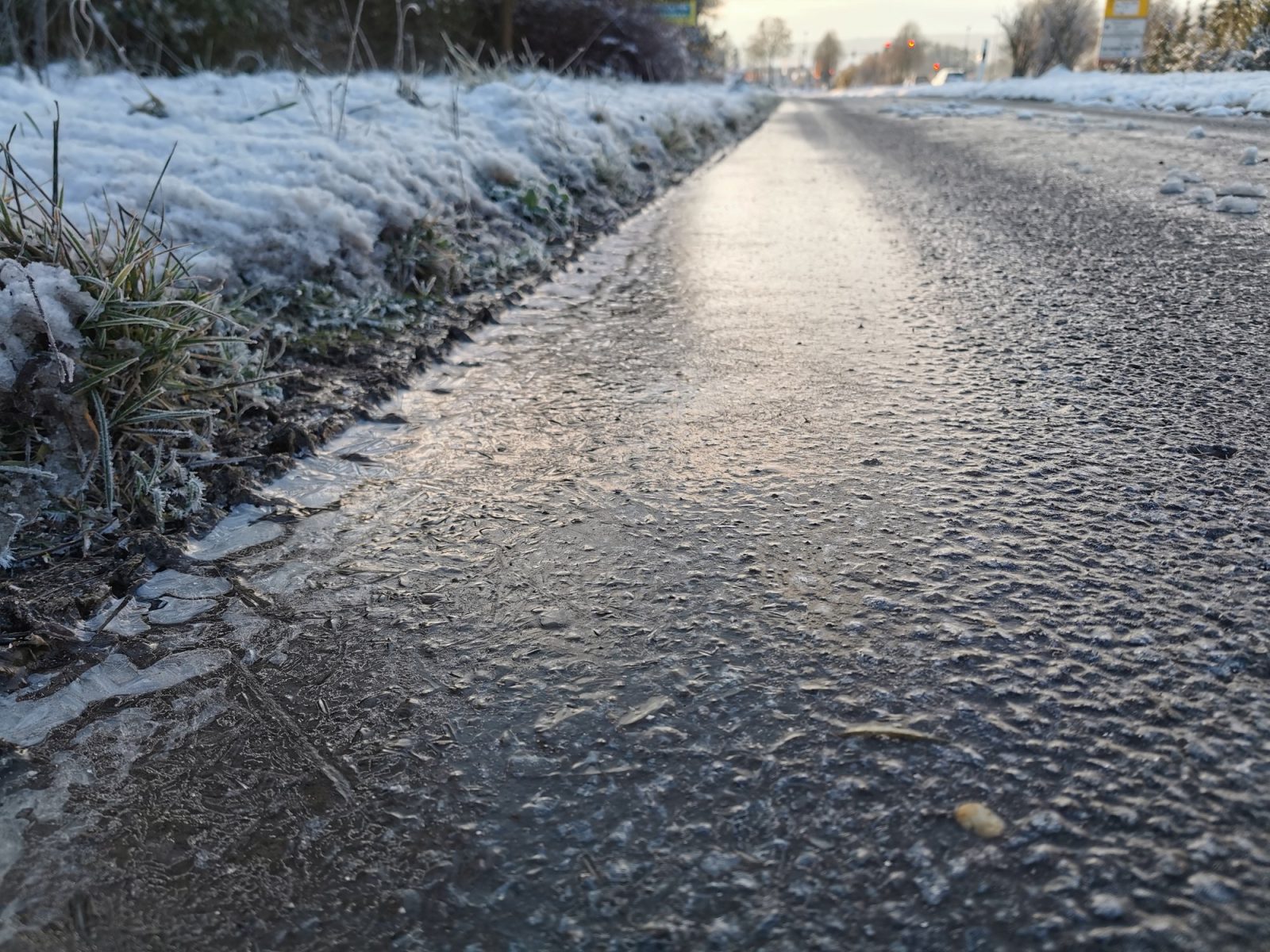
Direct answer: Black ice is a thin layer of ice on a road surface that is nearly invisible because the dark pavement shows through it. The National Weather Service warns that roads that look clear in winter may be coated with it, and that the nearly invisible layer can cause a rapid loss of control. It is most common at night, and it forms when recent rain or snowmelt meets freezing temperatures. The safest response is to slow down before you reach it, never brake hard on it, and, best of all, stay off the roads entirely when icy conditions are reported.
Why you cannot see it coming
Black ice is highly transparent, so it is hard to see while driving, as the Metro Nashville-Davidson County Office of Emergency Management puts it. It forms when light rain, drizzle or melted snow refreezes on a road surface that is at or below freezing, leaving a sheet so thin that it blends in with wet pavement. The National Weather Service notes that it is more prevalent at night but can stick around for the morning commute, so a road that was safe at midnight can still be treacherous at dawn. Freezing rain is much more hazardous than a typical snowstorm on the road, because it lays down ice directly instead of snow you can see. The stakes are high: the National Weather Service notes that thousands of people are injured or killed every year in traffic accidents related to slippery roads from winter storms.
Bridges freeze first
Bridges and overpasses are the first places to ice over. Cold air surrounds a bridge above and below, so the pavement temperature on the deck falls rapidly when the air temperature drops, while an ordinary road keeps some warmth from the ground beneath it. Nashville's emergency management office warns that ice forms on bridges and overpasses quicker than on the road, so treat every bridge as a possible ice patch on a freezing night. Slow down before you reach a bridge, not while you are on it, and expect the far side to be icy too.
If you hit black ice
If your car starts to slide, the National Weather Service advice is simple: reduce speed, but do not brake heavily. Nashville's emergency management office adds three rules: keep your steering wheel straight, because turning raises your chance of sliding and losing control; do not brake, because braking causes the vehicle to slide, especially if you brake too hard; and take your foot off the accelerator to reduce speed. It is best to let the car stop on its own if you have enough room in front of you. Allow more space between your vehicle and the one ahead, and brake early and gently when you must slow down, so you do not start a skid.
The best protection is not driving on it
The National Weather Service states the best prevention plainly: avoid travel. Stay informed on weather and road conditions and forecasts before you set out, and if reports indicate icy conditions, consider staying off the roads until they are clear. If you must drive, plan extra time, keep your speed down, and remember that a road that looks merely wet may be ice. Check the forecast and warnings on our weather alerts page, and read our severe cold and winter storm safety guide for the wider winter plan.
If you are stranded
If winter weather strands you, stay with your vehicle and do not panic. The National Weather Service advises taking turns sleeping, running the motor about 10 minutes every hour for warmth, and opening a window a little to prevent carbon monoxide buildup. Keep the exhaust pipe clear of snow, and keep the car visible by putting a bright cloth on a mirror, door handle or antenna and turning the dome light on at night when the engine is running.
Keep a winter car kit
Carry a kit before winter starts. The National Weather Service list includes adequate tires, tire chains, a tow rope, sand or cat litter for traction, a shovel, a tool kit, a windshield scraper and brush, battery cables, a first aid kit, a flashlight and extra batteries, blankets or sleeping bags, extra clothing, candles and waterproof matches, a jug of water, high-calorie packaged food, and an empty can to melt snow. Check the kit each autumn so nothing you need is missing when the first ice arrives.
Frequently asked questions
What exactly is black ice?
A thin, nearly invisible layer of ice on a road surface. The ice itself is clear, so the dark pavement shows through it, which is why it looks like an ordinary wet road. It forms when rain or melted snow refreezes on a surface at or below freezing.
Why do bridges freeze before ordinary roads?
Cold air surrounds a bridge above and below, so the deck cools and freezes much faster than a road that keeps warmth from the ground beneath it. Treat every bridge as a possible ice patch on a freezing night.
What should I do if my car slides on black ice?
Keep the steering wheel straight, take your foot off the accelerator, and do not brake, especially not hard. Let the car slow and stop on its own if you have room ahead, and brake early and gently once you are back on grip.
When is black ice most likely?
At night, when temperatures fall, and into the morning commute, especially after rain or snowmelt followed by freezing temperatures. Freezing rain is especially dangerous because it lays ice directly onto the road.
Sources
- National Weather Service - Winter Travel Safety
- National Weather Service - Winter Driving Safety
- National Weather Service - Winter Safety
- Metro Nashville-Davidson County Office of Emergency Management - Winter Weather Operations
About the author
WND Editorial Team — The World Natural Disasters editorial team curates disaster information from official scientific and humanitarian sources, reviews safety guidance against public-agency recommendations, and maintains the historical database.
Written and reviewed under our editorial policy. Factual claims cite the sources listed above.
Found an error? See our corrections policy.