Nor'easters: What They Are and How to Prepare
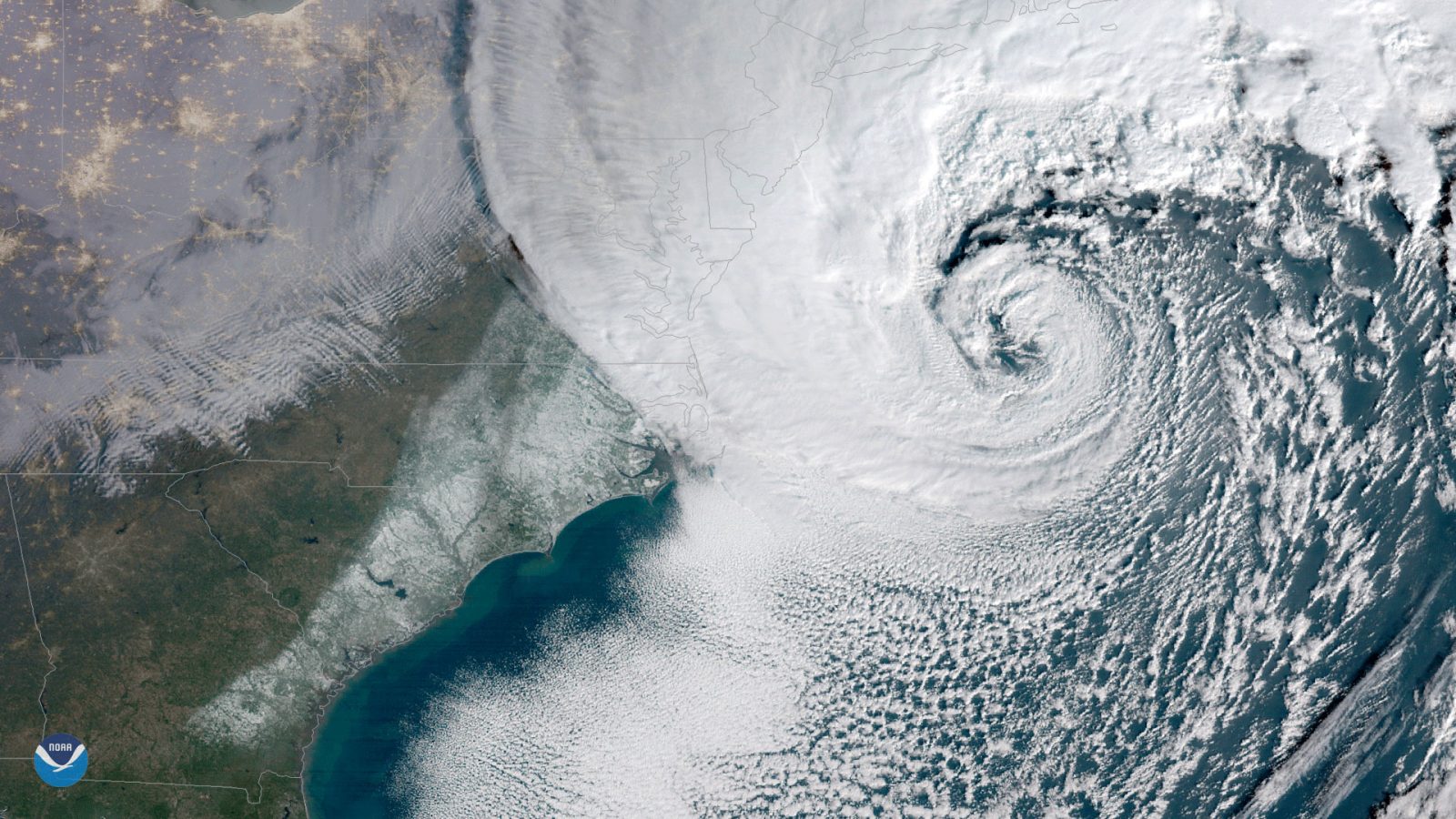
Direct answer: A nor'easter is a powerful storm along the East Coast of North America, named because its winds over the coastal area typically blow from the northeast. These storms can occur at any time of year, but they are most frequent and most violent between September and April — so mid-October marks the start of the active season. A nor'easter can bring heavy snow or rain, gale-force winds, rough seas and coastal flooding, and the official advice starts with three days of food, water and supplies at home (NWS).
How nor'easters form
Nor'easters are fuelled by a temperature clash. In winter the polar jet stream carries cold Arctic air southward across Canada and the United States, then eastward toward the Atlantic, where warm air from the Gulf Stream tries to move northward. The warm Gulf Stream waters keep coastal waters relatively mild, and the temperature difference between the warm air over the water and the cold Arctic air over the land is the fuel that feeds nor'easters (NWS).
They usually develop in the latitudes between Georgia and New Jersey, within 100 miles east or west of the East Coast, then progress generally northeastward and typically reach maximum intensity near New England and the Maritime Provinces of Canada (NWS).
Why the I-95 corridor is especially exposed
The heavily populated region between Washington D.C., Philadelphia, New York and Boston — the "I-95 Corridor" — is especially impacted by nor'easters. The NWS lists the Blizzard of 1888, the "Ash Wednesday" storm of March 1962, the New England Blizzard of February 1978, the March 1993 "Superstorm", and the Boston snowstorms of January and February 2015. Past nor'easters have caused billions of dollars in damage, severe economic, transportation and human disruption, and in some cases disastrous coastal flooding — damage from the worst storms can exceed a billion dollars (NWS).
The hazards: snow, wind, water
Nor'easters nearly always bring heavy rain or snow, plus winds of gale force, rough seas and occasionally coastal flooding (NWS). They raise the risk of car accidents, hypothermia, frostbite, carbon monoxide poisoning and heart attacks from overexertion (ready.gov). A storm can last a few hours or several days and can cut off heat, power and communications — older adults, children, sick individuals and pets are at greater risk (ready.gov).
Know the alerts
When forecasters see favourable conditions coming, they may issue winter storm, blizzard, high wind and coastal flood watches; when conditions are imminent, the watches become warnings (NWS). A Winter Storm Watch means hazardous winter weather — blizzard, heavy snow, heavy freezing rain or heavy sleet — is possible, usually issued 12 to 48 hours ahead. A Winter Storm Warning means it is imminent or occurring, usually issued 12 to 24 hours ahead — and ready.gov says: if you are under a Winter Storm Warning, find shelter right away. A Winter Weather Advisory covers accumulations that will cause significant inconvenience and, without caution, could become life-threatening. A Blizzard Warning is the top tier: sustained or frequent winds of 35 mph or higher with falling or blowing snow cutting visibility to a quarter of a mile or less, lasting at least 3 hours (NWS glossary).
Prepare the home
The NWS nor'easter page gives the core rule: keep three days of food, water and other provisions in a disaster supplies kit — a nor'easter can cut power and leave you in the dark. Make a family emergency communications plan, so loved ones know how to stay in touch if separated. Ready.gov adds the home-hardening basics: insulate, caulk and weather-strip; learn how to keep pipes from freezing; install and test smoke alarms and carbon monoxide detectors with battery backups. Gather supplies to stay home for several days without power, keep extra batteries for radios and flashlights, and remember pets and medications.
The car and staying off the roads
Keep a winter car kit: jumper cables, sand, a flashlight, warm clothes, blankets, bottled water and non-perishable snacks — and keep a full tank of gas (ready.gov). Stay off the roads if at all possible; if you are trapped in your car, stay inside. The NWS adds two more rules for these storms: stay off the roads if local authorities advise it, and never drive into flood waters.
During the storm
Heat safely: only use generators and grills outdoors and away from windows, and never heat your home with a gas stovetop or oven. Generators and fuel belong outdoors, at least 20 feet from windows, doors and attached garages, with working carbon monoxide detectors on every level of the home (ready.gov). Limit time outside, wear layers of warm clothing, and watch for frostbite — numbness, white or greyish-yellow skin, firm or waxy skin — and hypothermia — shivering, exhaustion, confusion, slurred speech; a body temperature below 95°F is an emergency. If you see them, get to a warm room; for hypothermia, warm the centre of the body first — chest, neck, head and groin. And avoid overexertion when shovelling snow — it is a real heart-attack risk (ready.gov).
Where to get warnings
Follow weather.gov for the latest forecasts and warnings (NWS). Sign up for your community's warning system, and keep NOAA Weather Radio and the Emergency Alert System in mind for emergency alerts (ready.gov).
Related pages on this site: the Severe Cold & Winter Storm Safety guide, US weather alerts by state, and the historical disaster archive.
Frequently asked questions
What exactly is a nor'easter?
A nor'easter is a storm along the East Coast of North America, named because its winds over the coastal area typically blow from the northeast. It is a strong low-pressure storm fuelled by the clash of cold Arctic air with warm, moist Atlantic air (NWS).
When is nor'easter season?
Nor'easters can occur at any time of year, but they are most frequent and most violent between September and April — so mid-October is right at the start of the active season (NWS).
What is the difference between a Winter Storm Watch and a Winter Storm Warning?
A Winter Storm Watch means hazardous winter weather (blizzard, heavy snow, heavy freezing rain or heavy sleet) is possible — usually issued 12 to 48 hours before a storm. A Winter Storm Warning means hazardous winter weather is imminent or already occurring — usually issued 12 to 24 hours before the event. A watch means prepare; a warning means find shelter right away (ready.gov).
What qualifies as a blizzard?
A Blizzard Warning is issued when a winter storm brings sustained or frequent winds of 35 mph or higher with considerable falling and/or blowing snow that frequently reduces visibility to 1/4 of a mile or less, lasting for a minimum of 3 hours (NWS glossary).
Sources
- NWS - What is a Nor'easter?
- NWS Glossary - Blizzard Warning
- Ready.gov - Winter Weather
- NWS - Winter Safety
About the author
WND Editorial Team — The World Natural Disasters editorial team curates disaster information from official scientific and humanitarian sources, reviews safety guidance against public-agency recommendations, and maintains the historical database.
Written and reviewed under our editorial policy. Factual claims cite the sources listed above.
Found an error? See our corrections policy.